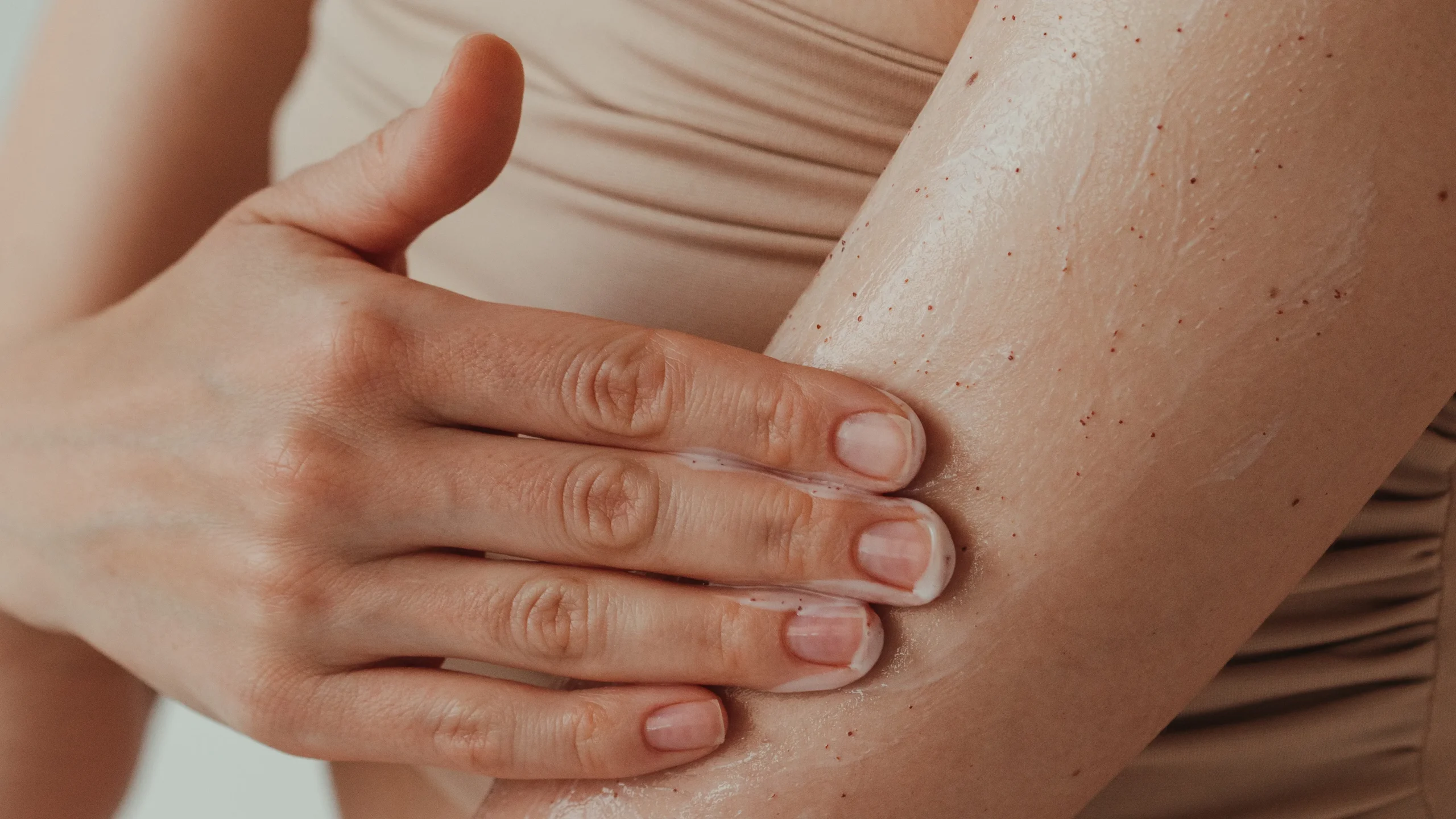
Living with psoriasis doesn’t require abandoning skincare routines. The condition stems from immune system dysfunction, not external irritants. However, certain products can trigger flare-ups through skin trauma or irritation. Understanding which ingredients and treatments to avoid is essential for maintaining skin health and preventing new plaques from forming. Source: allure.com.
What Causes Psoriasis Flares from Skincare?
One of the most well-documented mechanisms behind psoriasis flares is the Koebner phenomenon. This occurs when local skin trauma—such as a cut, scratch, sunburn, or even a blister—stimulates the immune system to develop psoriasis in previously unaffected areas. The phenomenon is named after German dermatologist Heinrich Koebner, who first described it in the 19th century.
Research estimates that between 25% and 30% of individuals with psoriasis experience the Koebner phenomenon. This means that while not everyone is susceptible, a significant portion of patients do react to skin injury. Dr. Omar Noor, a board-certified dermatologist in New York City, notes that if a person has ever observed a new plaque appearing after a minor injury, they are likely in this group.
Even without experiencing Koebnerization, applying an irritating product directly to an area of visible psoriasis can worsen symptoms. The skin of psoriasis patients is often more sensitive and prone to inflammation. Dr. Divya Shokeen, a dermatologist and founder of OSVI Dermatology and Surgical Institute, explains that sensitivity to specific ingredients can lead to irritation, which in turn triggers a flare-up. This is why a patch test is not just a suggestion—it is a necessary step when introducing any new product.
Patients with uncontrolled psoriasis are at a higher risk. Their skin is already in a state of immune hyperactivity, making it more reactive to external stimuli. Dr. Noor emphasizes that even mild trauma—such as a small scratch or the application of a harsh product—can lead to the formation of new plaques. In contrast, individuals whose psoriasis is well-managed with systemic treatments like biologics have a significantly reduced risk. However, Dr. Noor cautions that the risk is not zero, especially during periods of active inflammation or when the immune system is still in a reactive state.
Dr. Shira Y. Wieder, a board-certified dermatologist at Montefiore Einstein Advanced Care, adds that hydration plays a critical role in managing psoriasis. Keeping the skin well-moisturized helps soften existing plaques, reduces itching, and improves overall comfort. This is especially important because dry skin can increase the likelihood of microtrauma and irritation.
Key Skincare Ingredients to Avoid
High-Concentration Skin Care Acids
Alpha-hydroxy acids (AHAs) and beta-hydroxy acids (BHAs)—including glycolic, lactic, mandelic, and salicylic acid—are widely used in skincare for their exfoliating properties. These acids work by breaking down the bonds that hold dead surface cells together, promoting smoother skin.
However, at higher concentrations, especially on inflamed or compromised skin, these acids can penetrate deeper than intended. Dr. Omar Noor explains that this deeper penetration can cause genuine skin injury, leading to inflammation and potentially triggering a psoriasis flare. In severe cases, this can initiate the Koebner phenomenon, resulting in new plaques forming at the site of application.
For leave-on products, Dr. Noor recommends limiting glycolic acid to 5% or less, lactic acid to 8% or less, and mandelic acid to up to 10%. These concentrations are generally considered safe for most psoriasis patients. Dr. Divya Shokeen adds that L-ascorbic acid—the purest form of vitamin C—is highly irritating at concentrations above 15%, and she advises against using it in such amounts due to its potential to cause redness, dryness, and inflammation.
Salicylic acid stands out as a notable exception. While it can be drying for some individuals, it has proven benefits in treating psoriasis symptoms. Dr. Wieder notes that salicylic acid effectively removes scales and helps reduce the buildup of dead skin. When combined with moisturizing ingredients, it enhances the penetration of other psoriasis treatments such as topical steroids, vitamin D analogs, and calcipotriene. Dr. Shokeen confirms that careful use of salicylic acid—particularly at low concentrations—can improve the effectiveness of these treatments. She recommends 2% salicylic acid in over-the-counter products as a safe and effective starting point.
Chemical Peels
Chemical peels are treatments that use high-concentration acids to damage the outer layers of the skin, prompting exfoliation. These treatments are typically categorized by depth—light, medium, and deep—based on how far the acids penetrate.

Dr. Tracy Evans, medical director of Pacific Skin and Cosmetic Dermatology, explains that chemical peels inherently impair the skin’s natural barrier. This barrier function is vital for protecting the skin from external irritants and pathogens. By definition, a peel causes a controlled amount of damage to the upper layers of the epidermis. For psoriasis patients, this damage can be a significant trigger for flare-ups.
Dr. Wieder emphasizes that medium-depth and deep peels are particularly concerning for individuals with psoriasis. These treatments create more extensive trauma and are more likely to initiate the Koebner phenomenon. However, she notes that for patients on biologic therapy—systemic treatments that modulate the immune system—such treatments may be considered with greater caution and under close supervision. In these cases, the immune system is better regulated, reducing the risk of an inflammatory response.
Physical Exfoliants
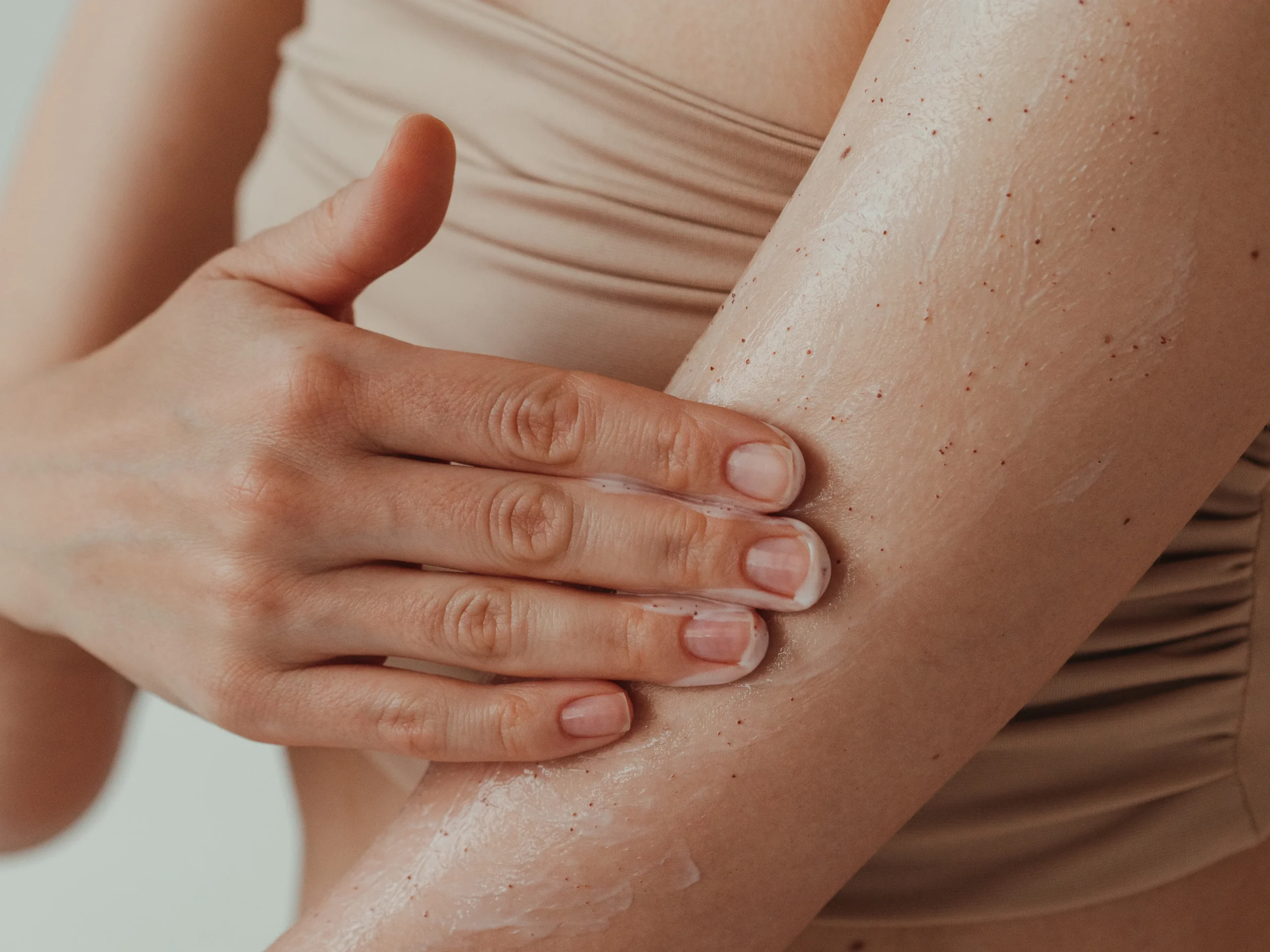
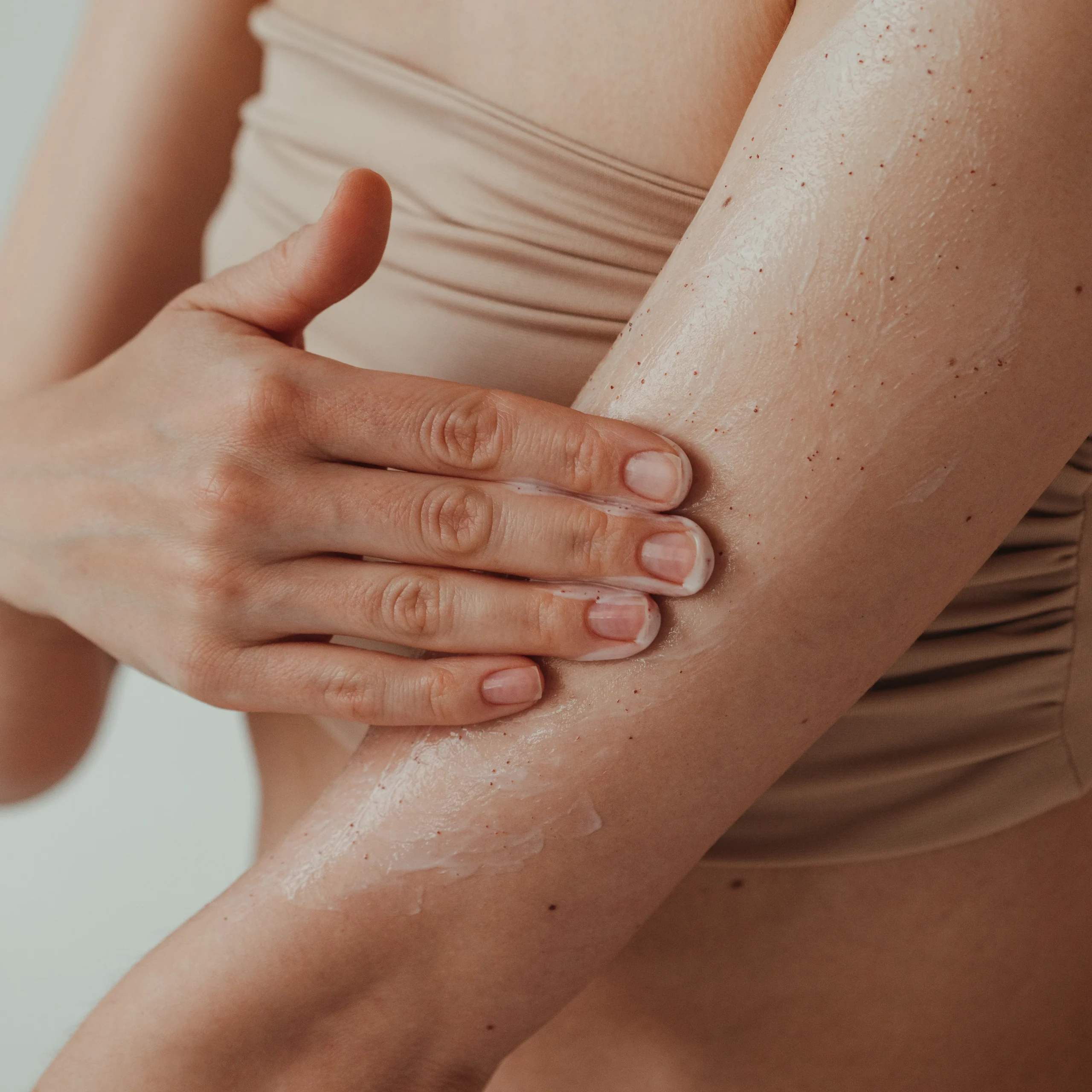
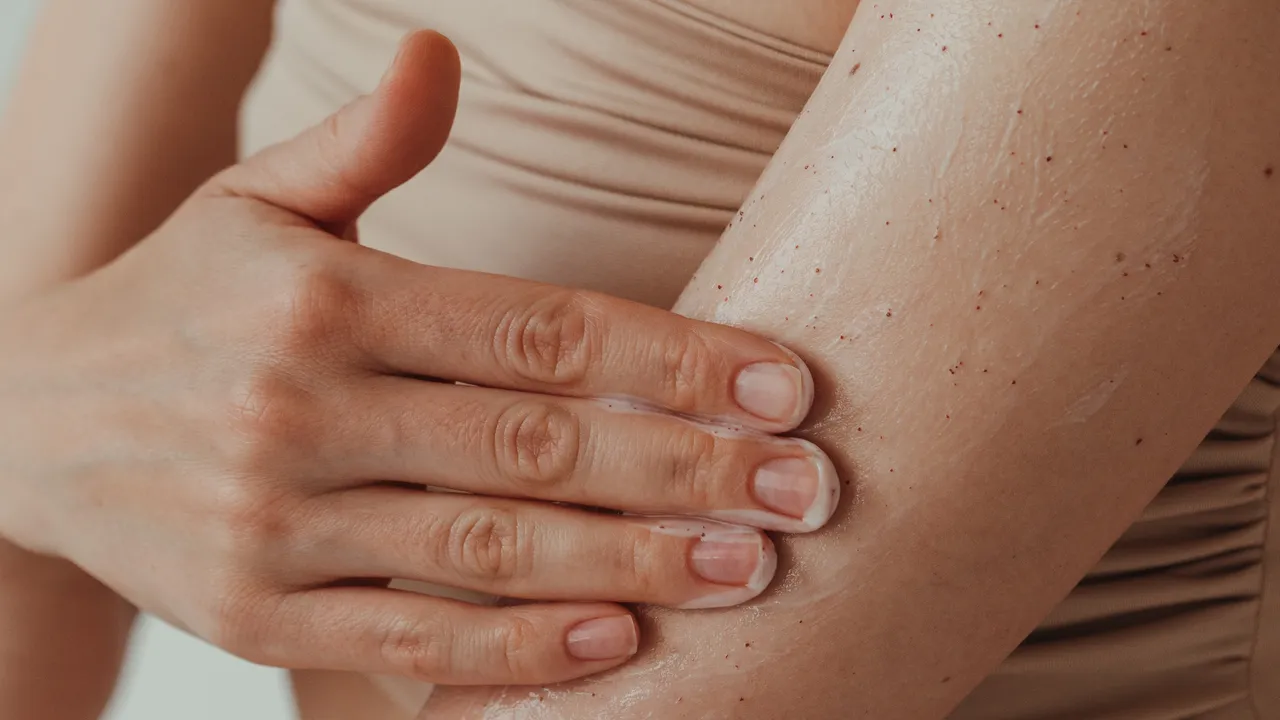
Physical exfoliants—such as scrubs made with walnut shells, apricot pits, or loofahs—are often marketed as effective for removing scales and improving skin texture. However, these products can be particularly harmful for psoriasis patients.
Dr. Omar Noor observes that many patients with psoriasis believe that scrubbing away scales is essential. While this may provide temporary relief, the abrasive nature of these tools can cause microcuts and scratches on the skin. These tiny injuries can act as triggers for new plaques, especially in individuals prone to the Koebner phenomenon.
Dr. Noor explains that the skin of psoriasis patients is already compromised and more fragile. Scrubbing with coarse tools increases the risk of trauma, which can lead to inflammation and the formation of new lesions. He advises against using any physical exfoliant on areas with visible psoriasis or on skin that is already inflamed.
Abrasive In-Office Treatments
In-office treatments such as microneedling and certain laser therapies involve mechanical pressure applied to the skin. These treatments are designed to stimulate collagen production or improve skin texture, but they can also cause microtrauma.
Dr. Noor compares the use of such devices to using sandpaper on the skin. He stresses that such treatments are not appropriate for psoriasis patients, especially when the condition is active or during a flare. The mechanical abrasion can mimic the effects of a cut or scratch, potentially triggering new plaques.
Dr. Evans adds that if a patient feels their psoriasis is flaring, they should avoid any form of abrasive treatment. However, she notes that some laser treatments—such as excimer light therapy—have demonstrated effectiveness in treating psoriasis when used with caution and under professional supervision. Excimer light targets specific areas of inflammation and can reduce redness and scaling without causing widespread skin trauma.
Strong Surfactants
Surfactants are compounds that reduce surface tension, allowing products to spread easily. However, strong surfactants—such as sodium lauryl sulfate (SLS)—can strip the skin of its natural oils, including ceramides and lipids that are vital for maintaining moisture and barrier integrity.
Dr. Wieder and Dr. Noor both highlight that products that lather like dish soap are a clear red flag. This lathering behavior indicates a high concentration of surfactants, which can damage the skin barrier. When the skin barrier is compromised, it becomes more susceptible to irritation and inflammation.

Dr. Noor recommends using gentle, hydrating cleansers that do not rely on harsh surfactants. Products like Cetaphil Gentle Skin Cleanser are specifically formulated to cleanse without stripping the skin. They maintain the skin’s natural moisture balance and are ideal for individuals with psoriasis.
Fragrance and Unscented Products
Fragrance is a common ingredient in skincare, but it can be a major trigger for psoriasis patients. Not all individuals react to scents, but some are highly sensitive. Dr. Shokeen explains that even a subtle scent can provoke an immune response, leading to a flare-up.
Many products labeled ‘unscented’ may actually contain masking chemicals to cover up natural odors. Dr. Noor warns that these chemicals can be just as irritating as fragrance and may even be more inflammatory. He advises that the term ‘fragrance-free’ is far more reliable than ‘unscented’ because it indicates the absence of added fragrances and masking agents.
Pure Essential Oils
Despite the popularity of natural and ‘organic’ products, not all botanical ingredients are safe for psoriasis patients. Dr. Noor cautions that ‘natural’ does not always mean benign. For example, poison ivy is 100% natural but highly irritating.
Essential oils such as tea tree oil, peppermint oil, menthol, and witch hazel are common in natural skincare. However, Dr. Shokeen notes that these ingredients can be highly inflammatory. They may trigger an immune response on the skin, which can exacerbate psoriasis symptoms.
Some patients attempt to soothe flare-ups by applying cooling menthol creams. While the sensation may feel refreshing, Dr. Noor warns that the tingling effect is not beneficial. In fact, it can stimulate nerve endings and increase inflammation, potentially worsening the condition.
Lightweight Moisturizers
Moisturizers are essential for managing psoriasis. Dry skin is a common symptom, and hydration helps reduce itching and improve skin texture. However, not all moisturizers are created equal.
Many lightweight lotions are formulated to be thin and pumpable. To achieve this, manufacturers often add alcohol or other drying agents. Dr. Noor explains that alcohol can further dry out psoriatic skin, especially when used in high concentrations. These products may feel light and refreshing but can actually worsen symptoms.
Dr. Noor recommends richer creams with multiple lipids—such as ceramides, cholesterol, and fatty acids—that are naturally found in healthy skin. These ingredients help restore and maintain the skin barrier. He advises avoiding products that come in pumps, as they are often thinner and less effective for dry skin.
Hair Dyes
Para-phenylenediamine (PPD) is a common allergen found in many hair dyes. For individuals without psoriasis, a reaction to PPD may result in temporary irritation that resolves within days or weeks.
For psoriasis patients, however, the immune system is already in a hyperactive state. Dr. Noor explains that introducing an allergen like PPD can cause a severe inflammatory response. This reaction can lead to more psoriasis, increased discomfort, and a greater difficulty in managing the condition.

Tattoos
Tattooing involves repeated needle insertion into the skin. This process creates microtrauma, which can trigger the Koebner phenomenon. Dr. Noor notes that this environment is particularly risky for psoriasis patients, as the repeated trauma can lead to new plaques forming in the tattooed area.
Dr. Wieder has personally observed cases where psoriasis has developed in the shape of a tattoo. This is not a rare occurrence and underscores the importance of caution.
However, with modern treatments—such as biologic medications—many psoriasis patients can achieve significant immune system control. These treatments reduce the overall inflammatory response, making the skin less reactive to trauma. Dr. Noor states that such patients can safely pursue tattoos without a significant risk of developing new plaques.
What to Do: A Practical Guide
The first and most important step is to consult a dermatologist. A professional evaluation can help determine the best treatment plan for your specific case and identify any personal triggers.
Once a treatment plan is in place and your psoriasis is under control, you can generally use most skincare products. However, a patch test is still essential before introducing any new product—especially one with strong acids, essential oils, or fragrances.
Dr. Tracy Evans emphasizes that hydration should be a cornerstone of any psoriasis skincare routine. This includes using moisturizers with ceramides and fatty acids, avoiding harsh exfoliants, and choosing fragrance-free, non-irritant products.
For patients with active psoriasis, avoiding any form of skin trauma—whether from products or procedures—is essential. This includes refraining from physical exfoliants, strong cleansers, and treatments that involve needle insertion or mechanical abrasion.
Even with controlled psoriasis, the immune system remains reactive. Therefore, vigilance and personal testing remain critical. What works for one person may trigger a flare in another.
Always check ingredient labels. Look for low concentrations of acids, no harsh surfactants, and no essential oils. When in doubt, consult a dermatologist. Personal sensitivity varies, and what appears safe on one person’s skin may be harmful to another.
By understanding the science behind psoriasis and the potential triggers, individuals can make informed choices that support long-term skin health and reduce the risk of flare-ups.
Sources & further reading
Featured image: original publisher image. Via original publisher. Image source