
Pedals Week 2026: Every now and then, a pedal comes along that leaves guitarists wondering what they just plugged into. Maybe it looks different. Maybe it works differently. Or maybe it solves a problem that nobody was really thinking about at the time.
Whatever the reason, some of the most interesting effects ever made didn’t become favorites overnight. In fact, quite a few were overlooked, misunderstood or simply ahead of their time.
Looking back now, it’s easy to see just how many of these once overlooked ideas helped shape the way guitarists think about effects today.
1. Boss SG-1 Slow Gear
BOSS SG-1 Slow Gear Demo – YouTube
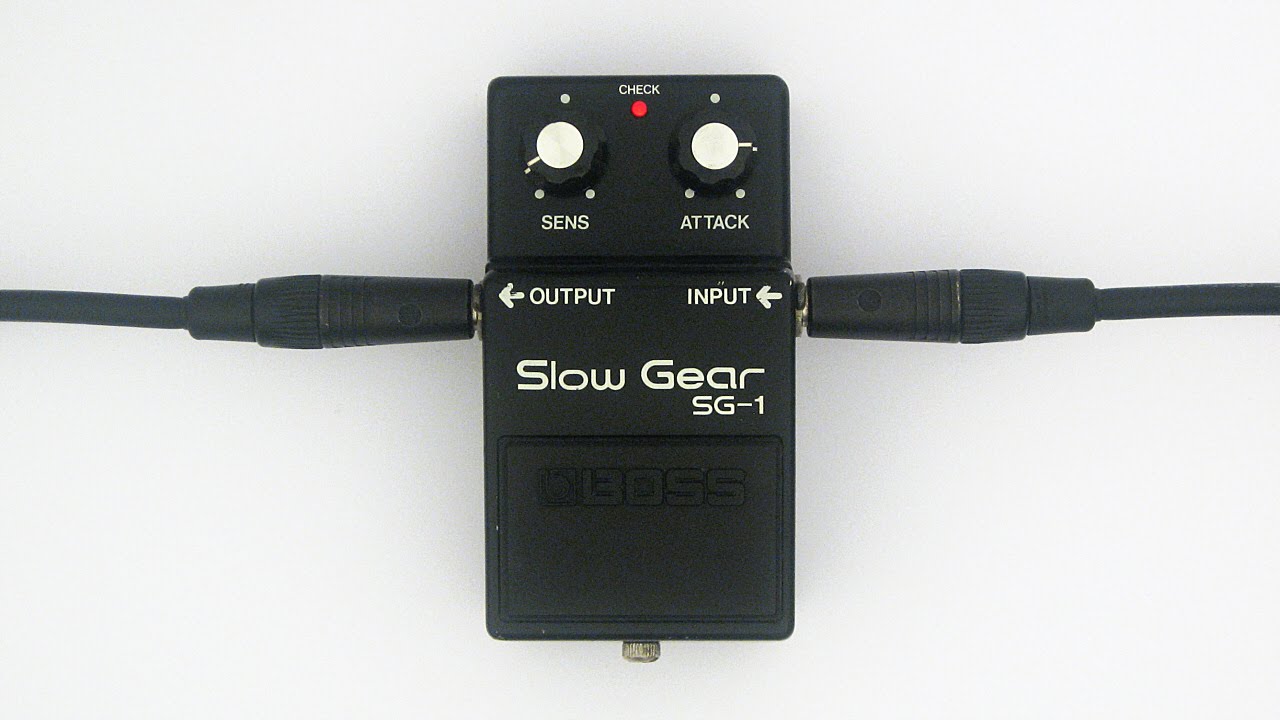
The SG-1 has always been one of Boss‘s most misunderstood pedals. Instead of adding gain, delay or modulation, it simply fades in every note automatically, creating smooth violin-like swells without touching the guitar’s volume control.
When it arrived in 1979, most players had no idea what to make of it. It didn’t fit into any familiar category, and there wasn’t much music calling for that kind of effect. Fast forward a few decades and it suddenly makes perfect sense.
Ambient players, soundtrack composers and experimental guitarists all discovered something Boss had quietly introduced years before anyone was really ready for it.
2. EarthQuaker Devices Rainbow Machine
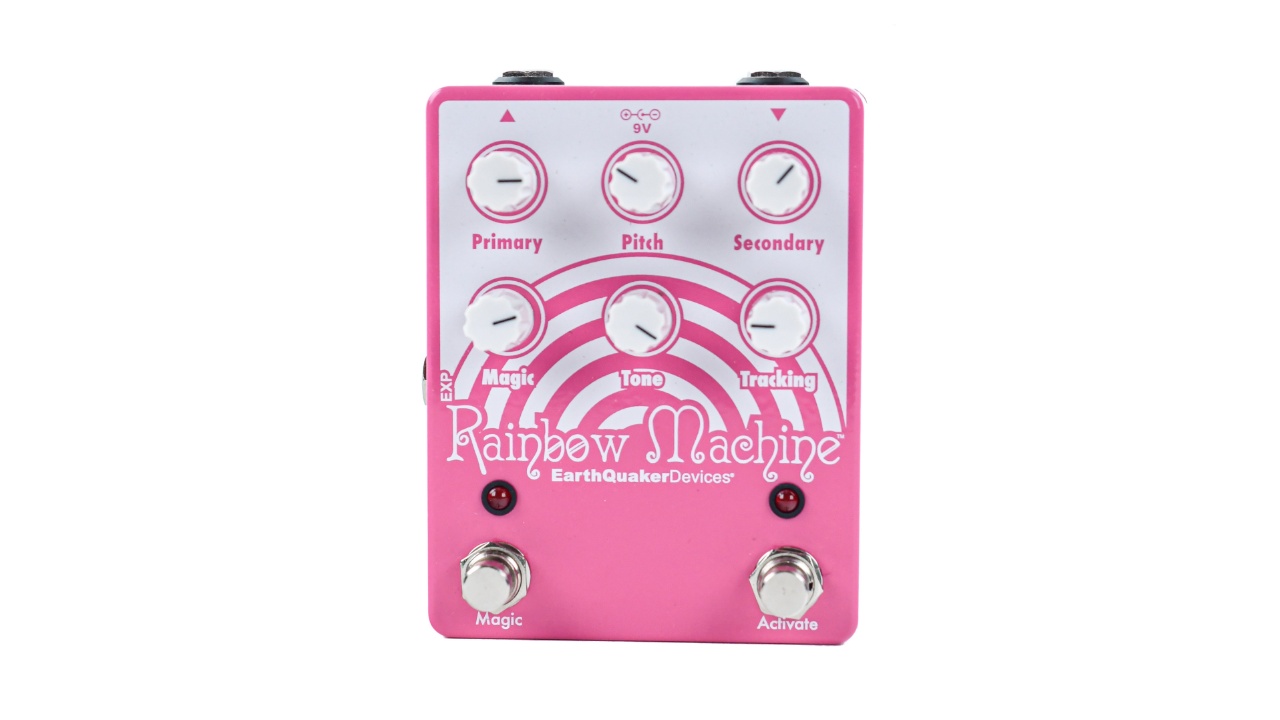
Few pedals have left guitarists scratching their heads quite like the Rainbow Machine. The controls seem almost random at first, and the sounds range from subtle pitch modulation to noises that don’t sound much like a guitar at all.
That’s probably why so many players weren’t quite sure what to make of it when it first appeared. Anyone expecting a conventional harmonizer was likely disappointed.
Dial it back and it adds movement and texture that few pedals can match. Turn it up and things get weird in a hurry. The Rainbow Machine isn’t for everyone, and that’s exactly the point.
3. Electro-Harmonix Attack Decay
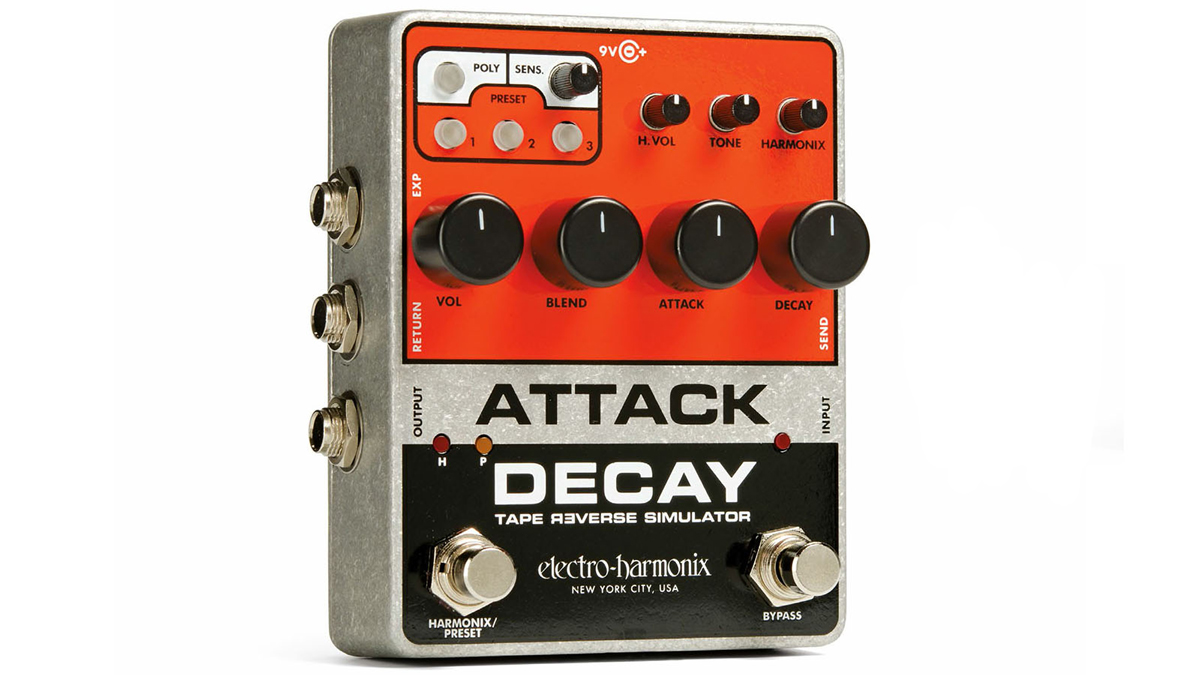

The Attack Decay is one of those pedals that almost defies explanation until it’s plugged in. On the surface, it recreates the automatic volume swells of Electro-Harmonix‘s original late-’70s design, but that’s really only the beginning.
With adjustable attack, reverse-style envelopes, fuzz and expression control, it can drift from violin-like swells to synth textures and sounds that barely resemble a guitar. That’s probably why it never became a mainstream hit. It asks players to experiment instead of reaching for familiar tones.
Those willing to spend the time are rewarded with one of the most creative and inspiring pedals Electro-Harmonix has ever produced.
4. Boss DF-2 Super Feedbacker & Distortion
What does the Boss DF-2 Super Feedback & Distortion Do? – YouTube
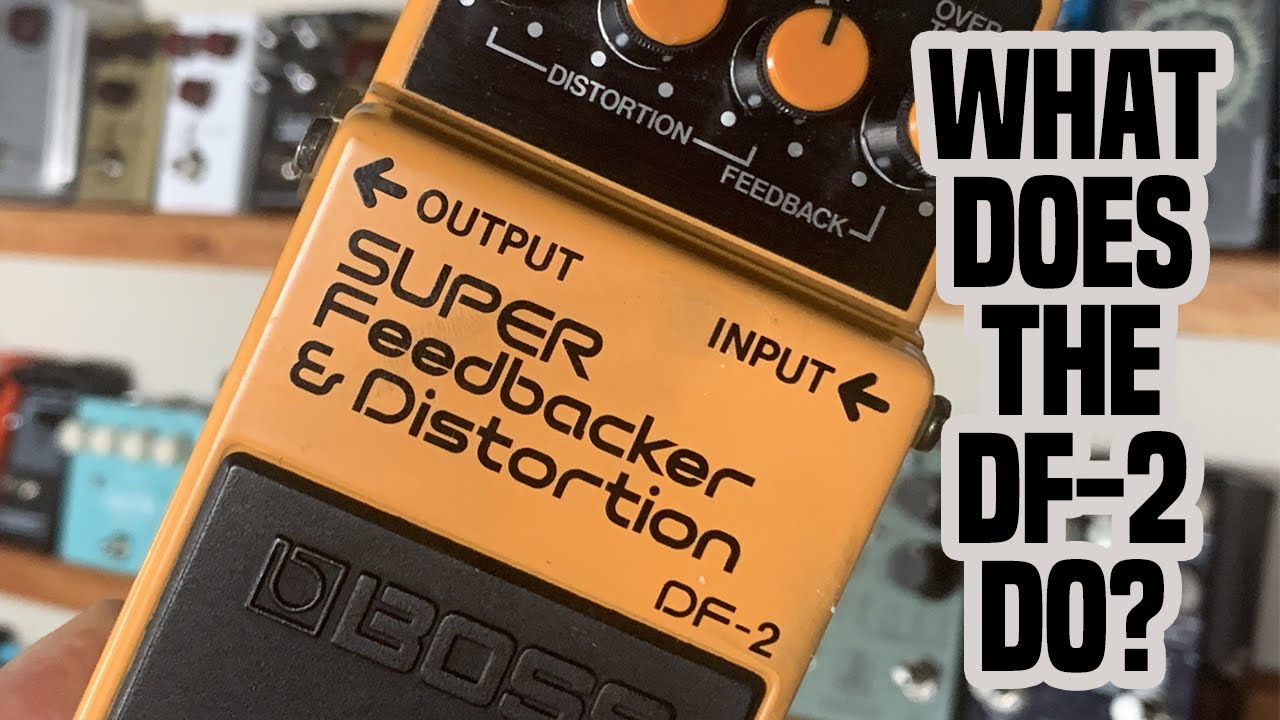
The DF-2 is one of those pedals that’s much easier to appreciate today than it was when it first appeared in the mid-’80s. Most players saw the word “Distortion” on the enclosure and treated it like another gain pedal, but the real innovation was hidden under the footswitch.
Hold it down and the DF-2 generates controllable amplifier-style feedback, even at volumes where natural feedback would be impossible. At the time, it felt like an odd feature that few players really needed.
Looking back, Boss was solving a problem decades before the rest of the industry caught on. Fast forward a few decades, and what once seemed like a gimmick now feels surprisingly innovative.
5. Boss TE-2 Tera Echo
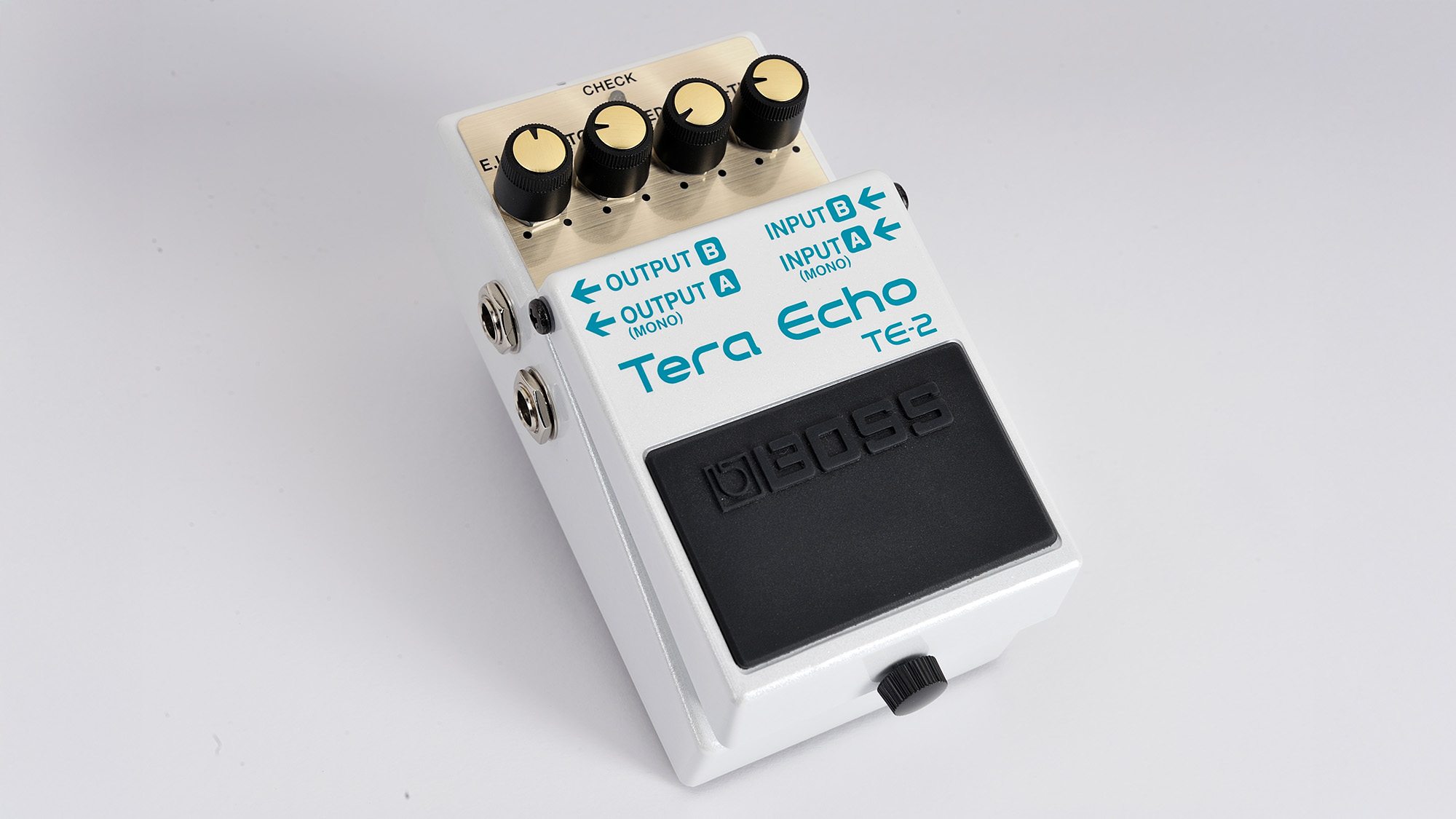
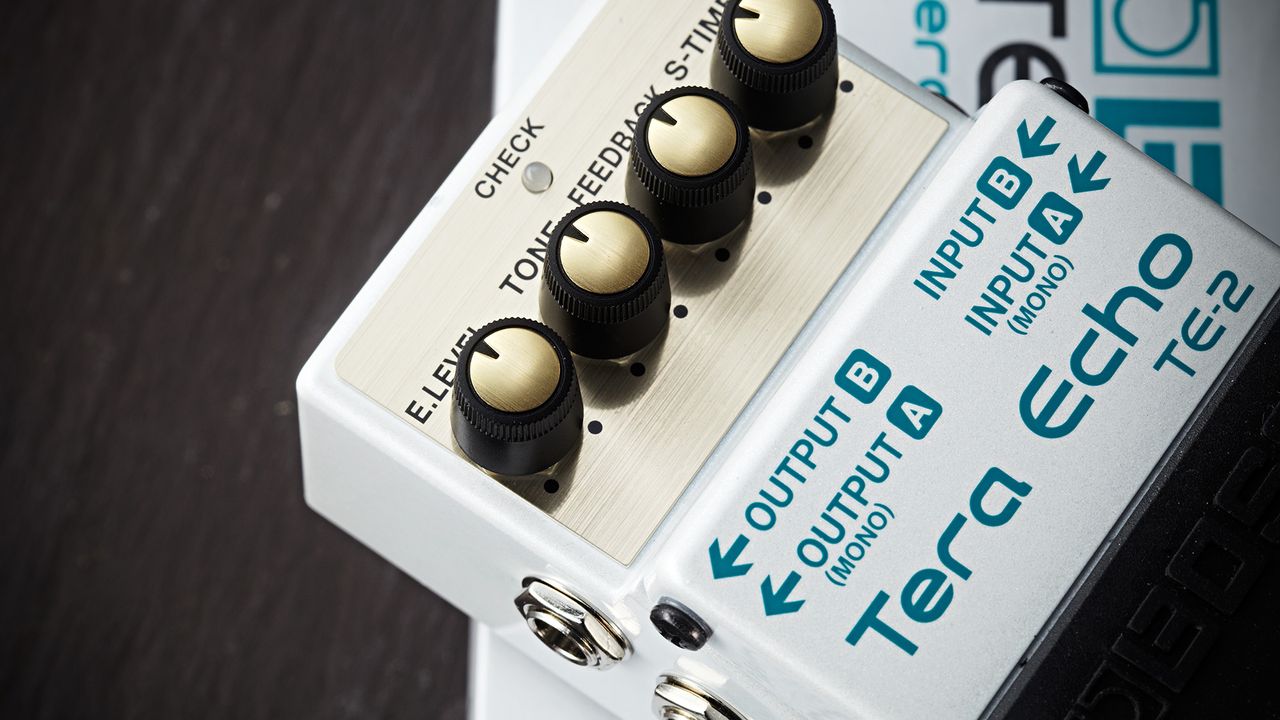
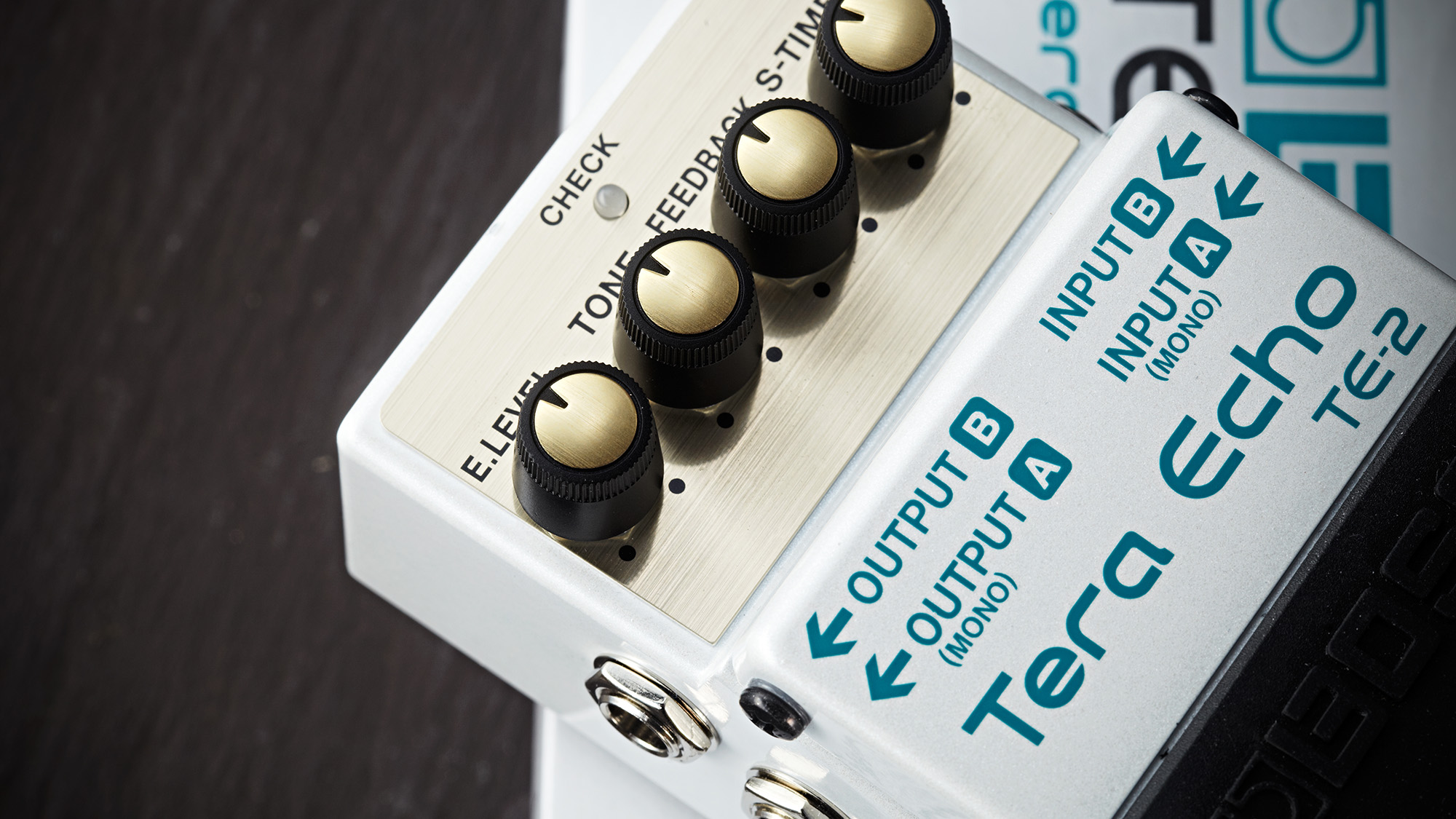
Trying to describe the Tera Echo is almost impossible because it isn’t really a delay, a reverb or a modulation pedal. It borrows ideas from all three, creating spacious, blooming echoes that react to the player’s touch in a way that’s still difficult to explain. That may be one reason it slipped under the radar.
Guitarists naturally tried comparing it to traditional delays, only to discover it played by its own rules. Give it a little time, though, and its strengths become obvious. The Tera Echo isn’t trying to sound like a delay or a reverb. It really does its own thing.
6. Electro-Harmonix HOG
Electro-Harmonix HOG2 Harmonic Octave Generator (EHX Pedal Demo by Bill Ruppert) – YouTube
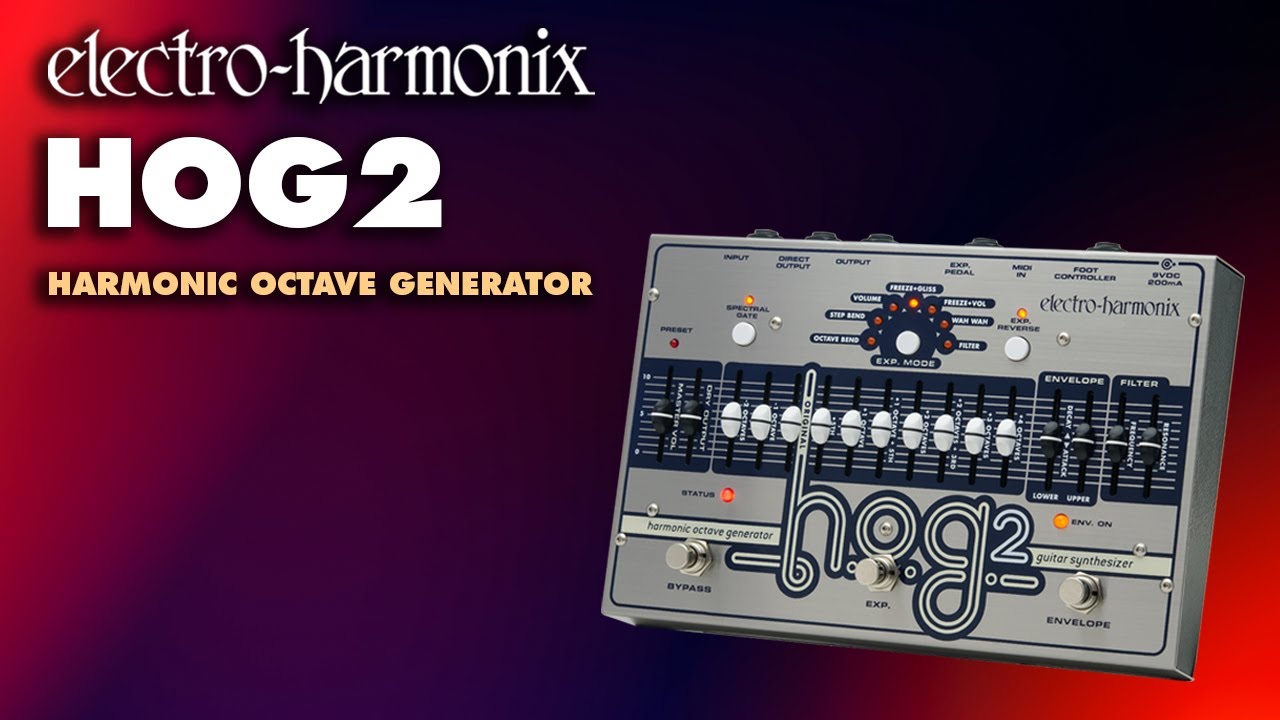
One look at the HOG was enough to intimidate a lot of guitarists. Between all the sliders, switches and expression pedal options, it looked more like a synthesizer than a stompbox. This is probably one reason why it never caught on with the average player.
Spend a little time with it, though, and it starts to make sense. It can create everything from convincing organ sounds and rich octave layers to swelling pads and sounds that barely resemble a guitar.
Most players simply weren’t looking for a pedal that could do this much. The HOG wasn’t overlooked because it lacked great sounds. It was overlooked because many players never got far enough to it to discover them.
7. Boss DA-2 Adaptive Distortion
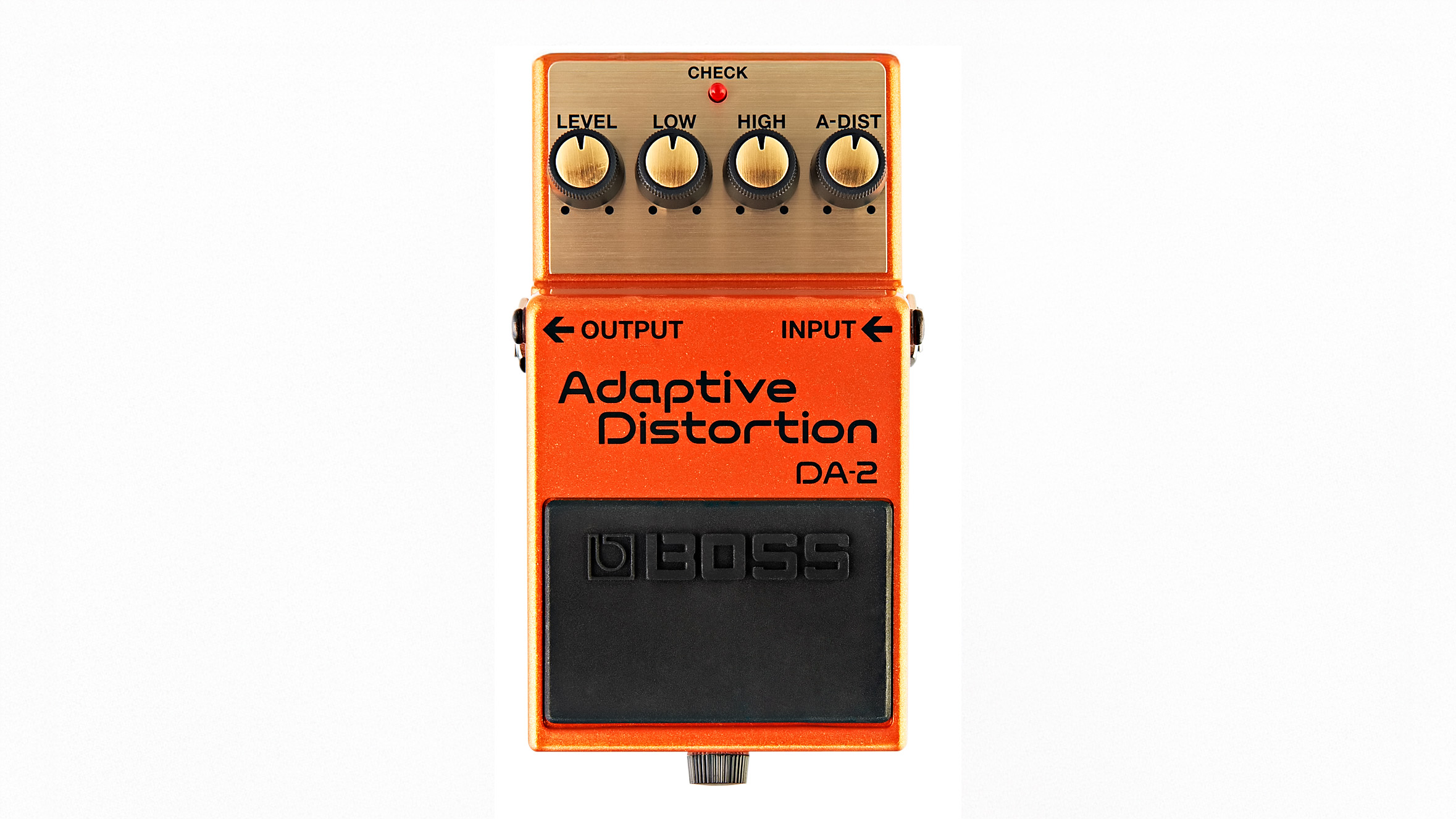

At a glance, the DA-2 looks like just another distortion pedal, and that’s probably why so many players passed it by. Hidden beneath the familiar controls, however, is Boss’s Adaptive Distortion technology, which constantly analyzes your playing and adjusts the distortion across the frequency range. The result is a surprisingly balanced sound that stays articulate whether you’re playing open chords or single-note lines high on the neck. It never enjoyed the cult status of classic Boss dirt boxes but that may have had more to do with timing than tone. There’s a really good distortion pedal hiding underneath all that technology.
8. Pigtronix Mothership
One look at the Mothership and it’s pretty obvious this isn’t your average pedal. Part analog synth, part octave generator and part fuzz, it can produce everything from thick octave sounds to quirky synth tones that barely resemble a guitar.
It’s not a pedal you can just stomp on and expect instant results. The Mothership rewards clean, accurate technique, and if your playing gets sloppy, you’re probably not hearing it at its best. That alone was enough to turn some players away. Those who spent the time with it discovered one of the most expressive and creative analog synth pedals ever built.
9. Z.Vex Seek Wah
The Seek Wah doesn’t resemble or behave anything like a traditional wah pedal. Instead of a rocker pedal that sweeps back and forth, you’re greeted by a row of lights, knobs and switches that hint at something completely different. It steps through a series of programmable filter patterns that can sound rhythmic, random or somewhere in between. This confused many guitar players.
But the Seek Wah wasn’t trying to replace a Cry Baby or Vox wah. It was trying to do something completely different. Players willing to think beyond a traditional wah discovered it could do things no Cry Baby ever could.
10. DigiTech FreqOut Natural Feedback Creator
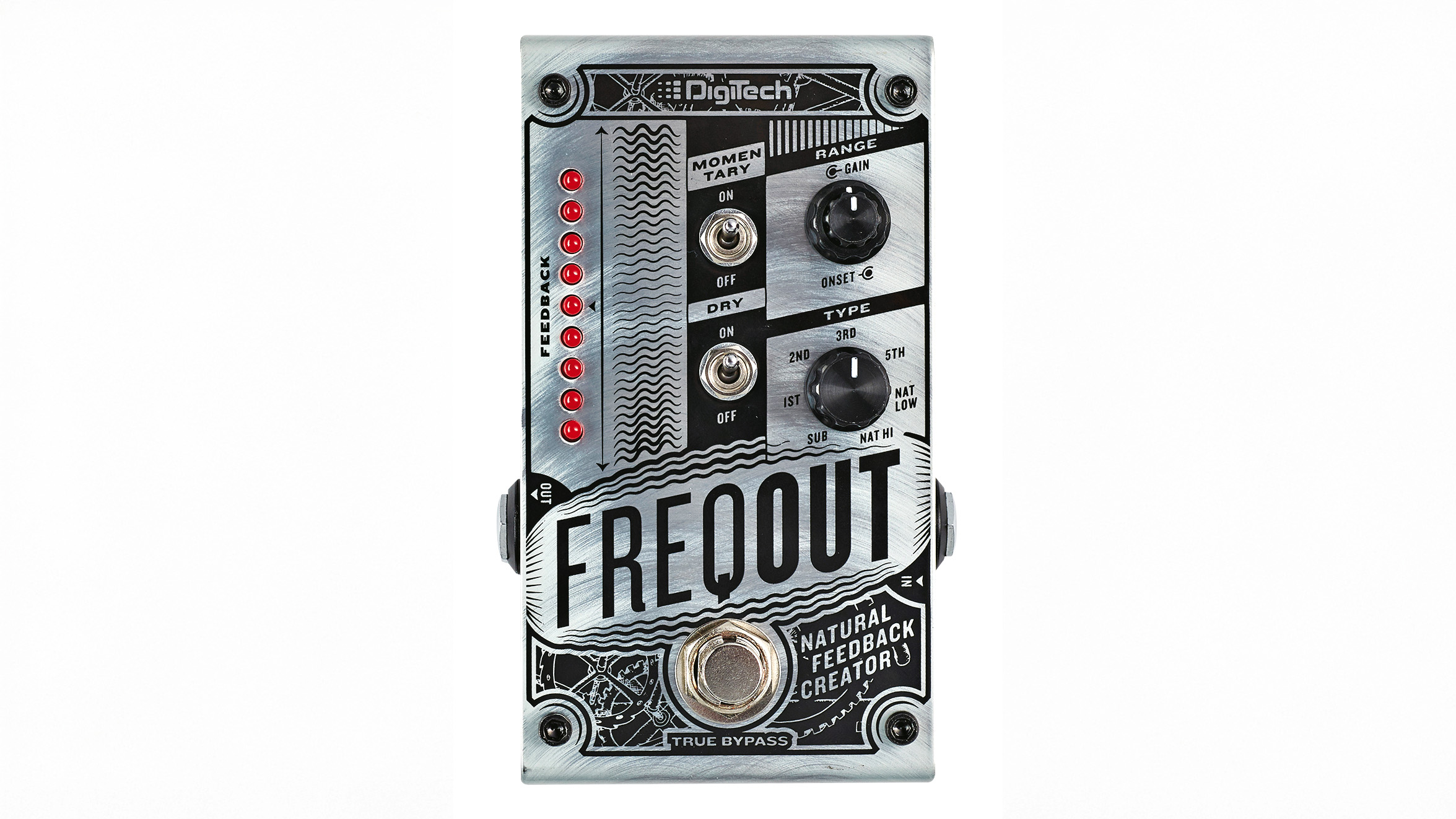

Initially, creating controllable feedback with a stompbox sounded more like a novelty than something guitarists would actually use. That’s exactly why so many players overlooked the DigiTech FreqOut when it first appeared.
Instead of relying on a loud amp, it electronically recreates natural harmonic feedback at almost any volume, with controls that let you choose different feedback harmonics and even adjust how quickly the feedback blooms into each note.
Back then, if you wanted endless sustain, you simply turned the amp up. Today, with lower stage volumes, modelers and home studios becoming the norm, the FreqOut makes more sense than ever.