Al Gerared invented the trap bar in the late 1980s. It quickly became a favorite among lifters who struggle with traditional barbell deadlifts. Source: muscleandfitness.com.
What Is a Trap-Bar Deadlift?
The trap bar is a type of deadlift tool designed to allow lifters to perform deadlifts with improved posture and reduced strain on the lower back.
Unlike conventional deadlifts, where the barbell is set on the floor and lifted from the ground, the trap bar is a square-shaped bar with a U-shape. The lifter stands inside the bar, with feet positioned at the ends of the U.
This setup places the lifter’s center of gravity more directly over the hips and spine, promoting a more upright torso. This alignment can reduce spinal compression and improve overall form.
Key Setup Tips for Optimal Performance
- Position your feet correctly: Place your feet shoulder-width apart, with toes slightly pointed. This helps maintain balance and ensures proper alignment with the bar.
- Keep your back flat and neutral: Avoid arching or rounding your back. A neutral spine reduces the risk of injury and improves mechanical efficiency.
- Engage your core: Tighten your abdominal muscles before lifting. A stable core supports the spine and helps transfer force from the legs to the upper body.
- Set the bar at the correct height: The trap bar should be positioned so that the bar is just above the floor when you stand inside it. This ensures the bar is at a natural height for your body.
- Use a slight knee bend: A small bend in the knees helps stabilize the hips and allows for a smoother lift. It also prepares the body for the full extension phase.
- Keep your head in a neutral position: Look slightly down or forward, not at the ceiling. This avoids excessive neck strain and keeps the spine aligned.
- Adjust the bar width to match your body: The trap bar’s width can vary. Choose a size that matches your hip width to avoid overreach or instability.
- Practice with lighter weights first: Mastering the setup before attempting heavy loads reduces the risk of injury and builds confidence in movement.
Why This Matters for Lifters
For many lifters, especially those with back issues or limited mobility, the trap bar deadlift offers a safer alternative to traditional deadlifts.
Its design allows for a more natural lifting motion. The lifter doesn’t have to bend over as much, which reduces spinal stress. This makes it ideal for people who have difficulty with conventional deadlifts.
Studies and anecdotal evidence suggest that the trap bar deadlift can improve overall strength and muscle development while minimizing injury risk.
Limitations and Considerations
While the trap bar deadlift is widely praised, it is not without limitations.
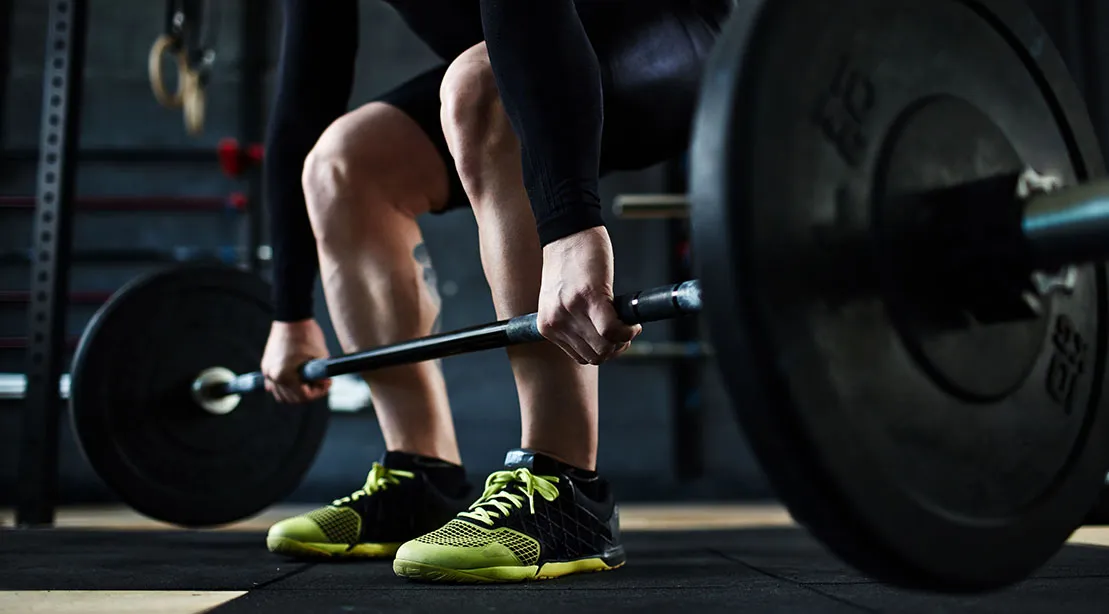
Some lifters report that the trap bar does not allow for as much load variation as a barbell. The fixed width and height can limit the range of weights available.
Additionally, trap bars are not as common in gyms as barbells. This may limit access for some individuals, especially in smaller or independent facilities.
There is also a learning curve. Proper setup requires practice. Beginners may struggle to achieve the correct posture or balance.
What to Watch Next
As strength training continues to evolve, more research is expected on the biomechanics of trap bar deadlifts compared to traditional deadlifts.
Future studies may explore how different trap bar designs affect injury rates, strength gains, and recovery times.
Additionally, manufacturers may introduce new trap bar models with adjustable features to better suit individual body types and lifting goals.
For now, the trap bar remains a valuable tool for lifters seeking a safer, more accessible deadlift option.
Sources & further reading
Featured image: original publisher image. Via original publisher. Image source