Every day, skin is exposed to harmful ultraviolet (UV) rays from the sun. These rays cause long-term damage, including sunspots, premature aging, fine lines, wrinkles, and skin cancer. The best defense is daily use of a broad-spectrum sunscreen with at least SPF 30—no matter the weather or whether you’re indoors or outdoors. Source: allure.com.
UV rays can penetrate clouds and reflect off surfaces like water, sand, and concrete. This means protection is needed even on overcast days. SPF stands for sun protection factor. It measures how well a sunscreen blocks UVB rays, which cause sunburns. SPF 30 blocks about 97% of UVB rays, while SPF 50 blocks about 98%. Higher SPF does not offer exponentially more protection. Dermatologists recommend SPF 30 or higher because it provides strong, consistent defense. SPF 15 only blocks about 93%—enough for some protection, but not enough to meet medical standards.
To be effective, sunscreen must be applied generously and reapplied every two hours. This is especially important during outdoor activities, physical exertion, or after sweating or swimming. A pea-sized amount is enough for the face. Reapplication is not optional—it’s a critical step in daily skin care that directly affects long-term health.
How Sunscreen Works
Sunscreen protects skin by either reflecting or absorbing UV radiation before it reaches deeper layers. There are two main types: mineral and chemical.
Mineral sunscreens use ingredients like zinc oxide and titanium dioxide. These particles sit on the skin’s surface and reflect UV rays. They are often preferred by people with sensitive skin or conditions like eczema or rosacea.
Chemical sunscreens use organic compounds that absorb UV rays and convert them into harmless heat. These filters are typically more transparent and blend better into the skin. Common filters include avobenzone, homosalate, octocrylene, and octisalate. However, older filters can break down under sunlight, reducing effectiveness.
A major advancement in 2026 is the FDA approval of bemotrizinol (BEMT). This is the first new sunscreen filter approved in over 25 years. BEMT protects against both UVA and UVB rays. UVA rays penetrate deeply and contribute to aging and melanoma. UVB rays cause sunburn and are a primary cause of skin cancer. BEMT remains stable in sunlight, unlike older filters that degrade.
What makes BEMT valuable is its transparency on skin. It leaves no white or greasy film. As cosmetic chemist Kelly Dobos explained, ‘We can now formulate products with lighter textures and less greasiness.’ This means sunscreens can feel more comfortable and be easier to wear daily.
Top Mineral Sunscreens
Mineral sunscreens are often ideal for sensitive skin due to their non-irritating nature. They use zinc oxide and titanium dioxide to form a protective layer on the skin’s surface.
Alastin Skincare’s HydraTint Pro Mineral Sunscreen SPF 36 was designed for patients recovering from laser treatments, peels, or injectables. It meets strict criteria: non-irritating, deeply hydrating, and aesthetically pleasing. It contains 3.4% zinc oxide and 8.9% titanium dioxide for broad-spectrum protection. Ectoin strengthens the skin barrier, retains moisture, and defends against environmental stress.
The tint blends easily into most skin tones. Fair skin may notice a slight warm undertone. Christa Joanna Lee, a contributing writer, found the tint is sheer enough to avoid chalkiness. It absorbs quickly and leaves skin looking even and calm. She notes that hands must be washed after use to remove residue.
Shiseido’s Urban Environment Mineral Clear Sunscreen SPF 50 is another excellent option for sensitive skin. It uses 4.5% titanium dioxide and 17.2% zinc oxide. It goes on sheer and blends to a clear finish, reducing rubbing. It includes hyaluronic acid, glycerin, vitamin E, and ginkgo leaf extract to maintain hydration and protect against environmental damage. Dipotassium glycyrrhizate calms redness. Sarah Hoffmann found it starts white but becomes sheer with minimal rubbing.
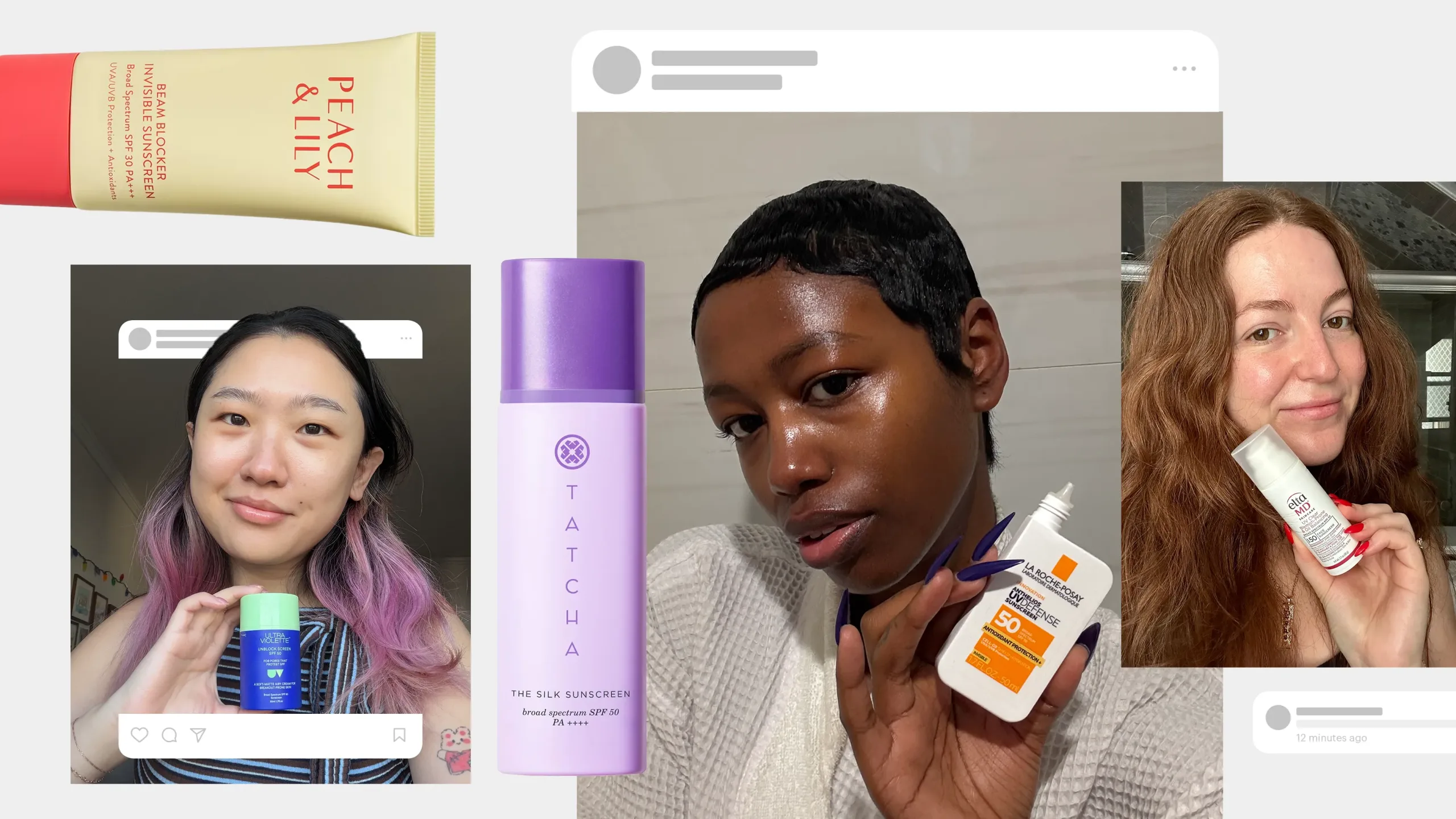
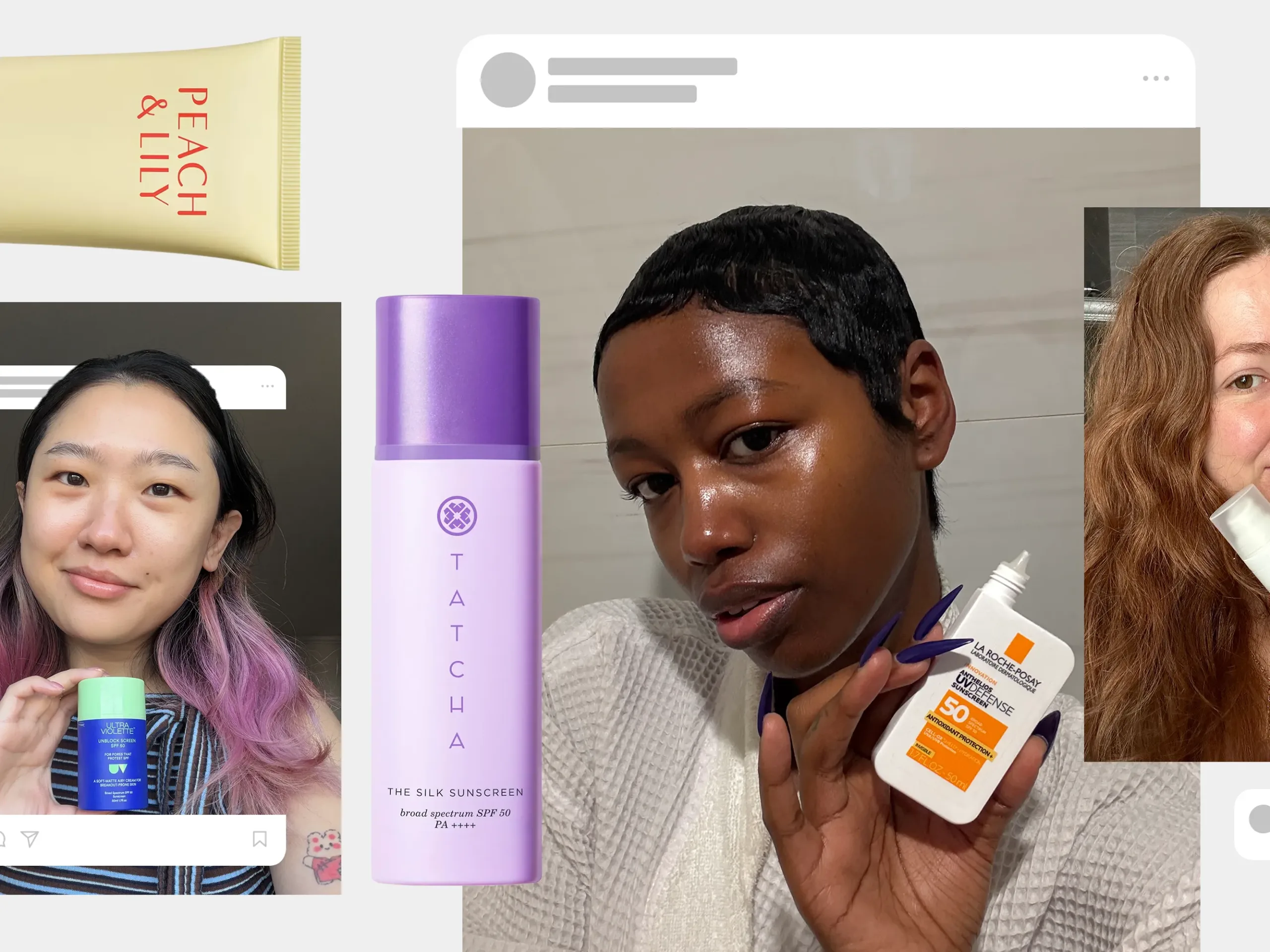
Tatcha’s The Silk Sunscreen SPF 50 uses 10% zinc oxide and includes hyaluronic acid, squalane, and niacinamide. The silk extract gives it a smooth, almost primer-like feel. It helps dry skin look healthier and more radiant. It has a sheer tint and radiant finish, making it ideal for those who skip foundation. Annie Blay-Tettey tried it during a trip to Costa Rica and found it blended seamlessly into her skin with no residue and a subtle glow.
Top Chemical Sunscreens
Chemical sunscreens are often preferred for their lightweight, non-greasy feel. La Roche-Posay’s Anthelios UVDefense SPF 50 with BEMT is one of the first to include this new filter. It contains 2% bemotrizinol, 3% avobenzone, 5% octisalate, 6% octocrylene, and 11% homosalate. This combination provides broad-spectrum protection with BEMT staying stable in sunlight.
Dr. Jane Yoo, a dual board-certified dermatologist, praised its silky texture and lack of white residue. BEMT sits on the skin surface, minimizing absorption and reducing irritation. This makes it suitable for sensitive skin. Tasha Nicole Smith found it hydrating without feeling heavy and left a subtle glow on her dry skin. It did not cause stinging or burning, even near the eyes.
Isdin’s Fusion Water Magic SPF 40 is a fully chemical formula. It uses glycerin and sodium hyaluronate to keep skin plump and fresh. Vitamin E and microalgae extract protect against environmental stressors. Silica softly blurs texture without flattening the skin’s glow. Jessica Cruel found it absorbed quickly and blended seamlessly into her brown skin without a greasy or shiny finish.
Hybrid and Specialized Sunscreens
Some sunscreens combine mineral and chemical filters for balanced performance. Ultra Violette’s Unblock Screen SPF 50 includes 3% bemotrizinol, 6% octocrylene, and 10% zinc oxide. This hybrid formula avoids the thick, greasy feel of high zinc oxide. Bix’Activ, derived from annatto seeds, controls oil and reduces pore appearance. Silica absorbs excess sebum for a soft-matte finish. Pentavitin keeps skin hydrated without greasiness.
Sarah Han found this sunscreen was lighter and easier to blend than other tinted options. She noted one pump was not enough—she needed two or more to achieve full coverage. This highlights the importance of proper application. The sheer tint helps even out skin tone, making it ideal for uneven skin or those wanting a natural finish.
EltaMD’s UV Clear Blemish-Prone & Oil Balancing SPF 50 is designed for acne-prone and oily skin. It combines 11% zinc oxide with 5% niacinamide to calm inflammation, even skin tone, and reduce excess oil. The brand’s ZincAOXPro Technology adds antioxidant defense against UV rays, blue light, pollution, and smog. Elizabeth Gulino reported users saw reduced visible blemishes, pore size, and general skin improvement over time.
Peach & Lily Beam Blocker: An Invisible, Treatment-Forward Sunscreen
Peach & Lily’s Beam Blocker Invisible Sunscreen is a fully chemical formula that goes on completely clear. It includes niacinamide to brighten skin, ceramides and panthenol to support the skin barrier, and multiple forms of hyaluronic acid to keep skin hydrated and bouncy. Ectoin protects against environmental stress. Bisabolol and Centella asiatica calm irritated skin. Antioxidants like green tea and ferulic acid defend against daily damage.
Sarah Kinonen, the beauty director, uses this sunscreen daily. She found it lightweight, easily blendable, and non-irritating—especially important for her easily inflamed skin. It does not sting during workouts. It layers well under foundation and liquid blush without pilling or becoming greasy. This makes it ideal for those who layer makeup or have sensitive skin.

How Allure Tests and Reviews Sunscreens
Allure evaluates each product across five key categories: ingredient efficacy, performance, packaging, fragrance, and texture. Every product is tested by a diverse group of real users—representing different ages, skin tones, genders, and backgrounds.
Each product is vetted by board-certified dermatologists. The team also reviews peer-reviewed scientific studies and medical literature to ensure claims are accurate and evidence-based. Real-world testing includes daily use scenarios—such as outdoor walks, office hours, or wearing makeup—to assess practical performance.
Key Considerations When Choosing a Sunscreen
Not all sunscreens are equal. Consider these factors:
- Water resistance: Most sunscreens are water-resistant for only 40 minutes. After swimming or sweating, reapplication is necessary.
- Fragrance: Fragrance can irritate sensitive skin. Allure prioritizes fragrance-free options.
- SPF and broad-spectrum coverage: SPF only measures UVB protection. A broad-spectrum sunscreen is needed to protect against both UVA and UVB rays.
- Skin type: Oily skin may benefit from matte finishes. Dry skin needs hydration. Acne-prone skin may require formulas that control oil and reduce pore appearance.
- Texture and application: Some sunscreens feel heavy or greasy. Others are lightweight and blend seamlessly.
While BEMT is a major advancement, long-term safety data is still being studied. Consumers should stay informed and consult dermatologists if they have specific concerns.
Cost does not always reflect performance. A well-formulated, affordable sunscreen can offer the same protection as a more expensive one.
What to Watch for in the Future
As more sunscreens include BEMT, formulas will likely become lighter, more comfortable, and easier to use daily.
Further research on chemical filters may lead to more nuanced guidance on ingredient safety and performance.
There is a growing emphasis on inclusive testing and diverse representation in beauty reviews. This ensures sunscreens are evaluated across a wide range of skin tones, textures, and conditions.
Proper daily use remains essential. Even the best sunscreen is only as effective as its use. Wearing it every day and reapplying as needed prevents long-term skin damage and reduces skin cancer risk.
For dry skin, Tatcha’s The Silk Sunscreen offers hydration and protection. For sensitive skin, Shiseido’s clear mineral formula provides a gentle option. For those who layer makeup, Peach & Lily’s invisible sunscreen offers a seamless base. These products show the diversity of modern sunscreen options—meeting different needs from hydration to sensitivity to texture.
Sources & further reading
Featured image: original publisher image. Via original publisher. Image source