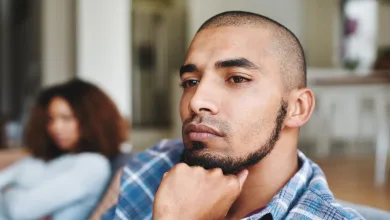
Many people endure unhappy marriages not because they lack options, but because of deeply human reasons. These reasons are not about weakness or poor choices. They stem from emotional, social, and practical realities. Source: yourtango.com.
Why People Stay in Unhappy Marriages
Relationship experts Poppy and Geoff Spencer, M.S., CPC, identify nine key reasons why individuals remain in marriages despite feeling miserable.
- Financial dependence: One partner may rely on the other for income, housing, or daily expenses. Leaving could mean financial instability.
- Children involved: Parents often stay in marriages to provide a stable environment for their children, even if the relationship is strained.
- Emotional fear of loneliness: People may fear being alone, especially if they have no social support or have lived in a relationship for decades.
- Loss of identity: A person may feel they have lost their sense of self in the marriage, making separation feel like a personal failure.
- Belief in reconciliation: Some believe that with time, effort, or therapy, the relationship can improve. This hope persists even when the reality is grim.
- Family or cultural expectations: Societal norms or family pressure can make divorce feel like a betrayal or a violation of tradition.
- Legal or bureaucratic hurdles: Divorce processes can be lengthy, expensive, and emotionally draining. Many avoid them due to practical barriers.
- Difficulty finding a new partner: People may feel they have no alternative, especially if they are in a long-term relationship or have limited social circles.
- Unspoken guilt or shame: Some feel guilty for wanting to leave, especially if they believe they are responsible for the marriage’s failure.
What the Experts Say About These Reasons
Poppy and Geoff Spencer emphasize that these reasons are not signs of poor decision-making. They are rooted in human psychology and lived experience.
They note that many people do not see their marriages as failing. Instead, they see them as ‘just not working well.’ This subtle difference shapes how people respond to pain and dissatisfaction.
She said, 'I didn’t want to be the one who left. I thought if I stayed, maybe things would get better.'
Spencer adds, ‘We don’t judge people for staying. We ask: What are they afraid of? What do they value most?’ This approach helps shift the conversation from blame to understanding.
Limitations and Criticisms of This View
While the nine reasons are grounded in real experiences, they do not account for all cases. Some critics argue that these reasons may downplay the harm of prolonged emotional suffering.

For instance, a person might stay not because of fear, but because they have no alternative. In some cases, the marriage may be abusive or toxic, yet the reasons listed do not fully capture that.
Additionally, the source does not provide data on how common these reasons are. It does not specify which reasons are most prevalent or how they vary by age, gender, or culture.
There is also no mention of how these dynamics affect mental health or long-term well-being. The article focuses on motivation, not outcomes.
What to Watch Next
As research on marital satisfaction evolves, experts may refine these reasons. Future studies could explore how cultural context, economic conditions, or mental health interventions influence marital choices.
For more on how couples stay married when unhappy, see Why Couples Stay Married When Unhappy.
These resources offer deeper context on the emotional and practical dimensions of marital decisions.
Sources & further reading
Featured image: Woman stays in miserable marriage.. Via original publisher. Image source