By Irina Slav – Aug 17, 2026, 6:00 PM CDT
- U.S. shale producers are cutting spending, prioritizing debt reduction and shareholder returns despite higher oil prices.
- Production growth is slowing, with the EIA expecting output to rise just 200,000 bpd in 2026.
- With spending plans what they are, the rig addition rate may change.

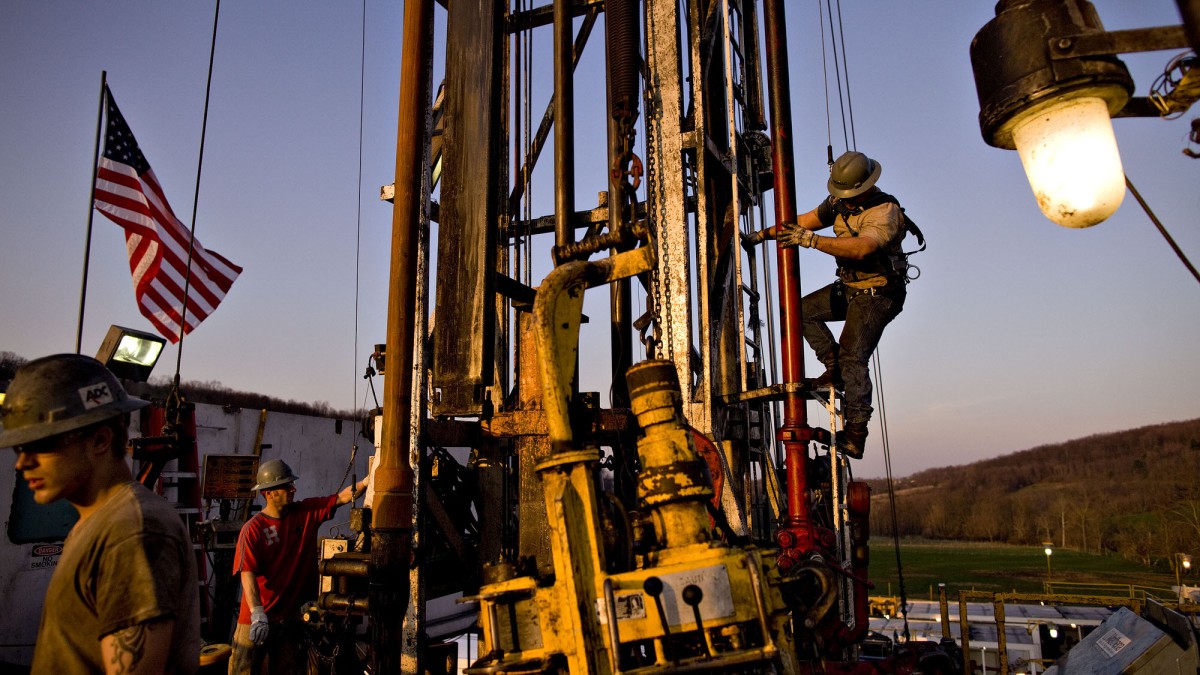
U.S. oil companies dominating the shale patch are planning to trim their spending plans and instead take advantage of higher international oil prices to reduce debt and boost shareholder returns. This is bad news for production growth.
Bloomberg reported earlier this month that all the big names in shale had reduced their spending over the first six months of the year. Chevron and ConocoPhillips spent 10% less in the period while Occidental slashed its spending on operations in the Permian by as much as a fifth over the first half of the year. Others, including APA Corp., HighPeak Energy, and Matador, are also spending less, the Bloomberg report also said.
The fact that Big Oil and independent shale majors are cutting spending to reward shareholders and pay down debt is not news. The industry has been following the path of fiscal discipline and shareholder return prioritization for years now. The fact that this path remains the one of choice for the majors means production growth in the world’s top producer may slow down in the coming months—while the world slips into a shortage.
The global oil market is about to slip into a deficit of 1.8 million barrels daily, the International Energy Agency said in its latest monthly Oil Market Report. U.S. crude oil production has been breaking records, reaching 13.714 million barrels daily in May, the latest data from the Energy Information Administration shows. Drilling rig numbers are on the rise, with the total 43 rigs higher than a year ago as of the second week of August.
However, with spending plans what they are, the rig addition rate may change. There is also the well depletion angle: shale wells notoriously deplete much faster than conventional wells, requiring a lot more frequent drilling and fracking. Speaking of well depletion, there have been warnings that shale wells were experiencing accelerated productivity decline rates.
Back in 2024, Enverus estimated that well productivity in the shale patch had declined by some 15%. Drillers compensated for this lower productivity by drilling longer laterals and making efficiency gains. That worked, too, but looking at the chart showing U.S. total oil production growth, one sees a slowdown in gains—even after the war between the United States and Israel and Iran began.
In the years between 2017 and 2020, oil production soared from 8.8 million barrels daily, as of December 2016, to 11.188 million barrels daily as of December 2020, according to data from the Energy Information Administration. This was a gain of almost 2.4 million barrels daily in four years, one of which years saw the sharpest, deepest demand destruction in history as countries locked down to contain the spread of Covid. Excluding this event, U.S. oil production hit 12.865 million barrels daily in January 2020. On this basis, total production growth between December 2016 and January 2020 stood at over 4 million barrels daily.
Between 2020 and May 2026, however, growth has slowed down to 2.5 million barrels daily, with production in the current year actually slightly lower than the average monthly for October 2025, for instance, which stood at 13.864 million barrels daily. The average for November 2025 was also higher than the latest monthly average, at 13.789 million barrels daily.
What this suggests is that U.S. shale oil producers are not, in fact, boosting production considerably in response to the crunch caused by the war in the Middle East. They are, based on the data, producing at consistent levels without making any sudden moves. Indeed, the Energy Information Administration has acknowledged the slowdown in its short-term forecasts. The agency expects this year’s average daily production at 13.8 million barrels, which would be a modest 200,000-bpd increase from a year ago.
That would be despite significantly higher oil prices prompted by a physical supply squeeze, no less—a scenario that normally triggers a boost in production. It would be despite the still murky prospect of peace between the belligerents in the Middle East, which means the supply squeeze is here to stay for a while—continued Hormuz blockage until the end of the year is no longer an outlandish scenario. If even that is not making shale majors drill more, it means there is a structural change in the industry.
This would come as no surprise to those who have been watching the shale patch for a while. The years of burning through cash and accumulating piles of debt just to see how much oil you could squeeze out of the shale rock are over, and they are not coming back. Discipline and shareholder returns are the name of the new game, and even the worst global oil crisis in history is not changing that, it seems. Of course, well depletion and productivity decline may well have a role to play in the industry’s agenda, too, and that role should not be underestimated.
By Irina Slav for Oilprice.com
More Top Reads From Oilprice.com
- Japan’s Oil Crisis Eases, But the Import Bill Keeps Climbing
- Iraq-Syria Oil Pipeline to Bypass Hormuz Is 4 Years and $15 Billion Away
- China’s Renewables Boom Faces Record Clean Power Curtailments
Download The Free Oilprice App Today



Irina Slav
What I Cover
Irina Slav has been writing about global energy markets since 2007, covering the oil and gas industry, energy security, commodities, and the…