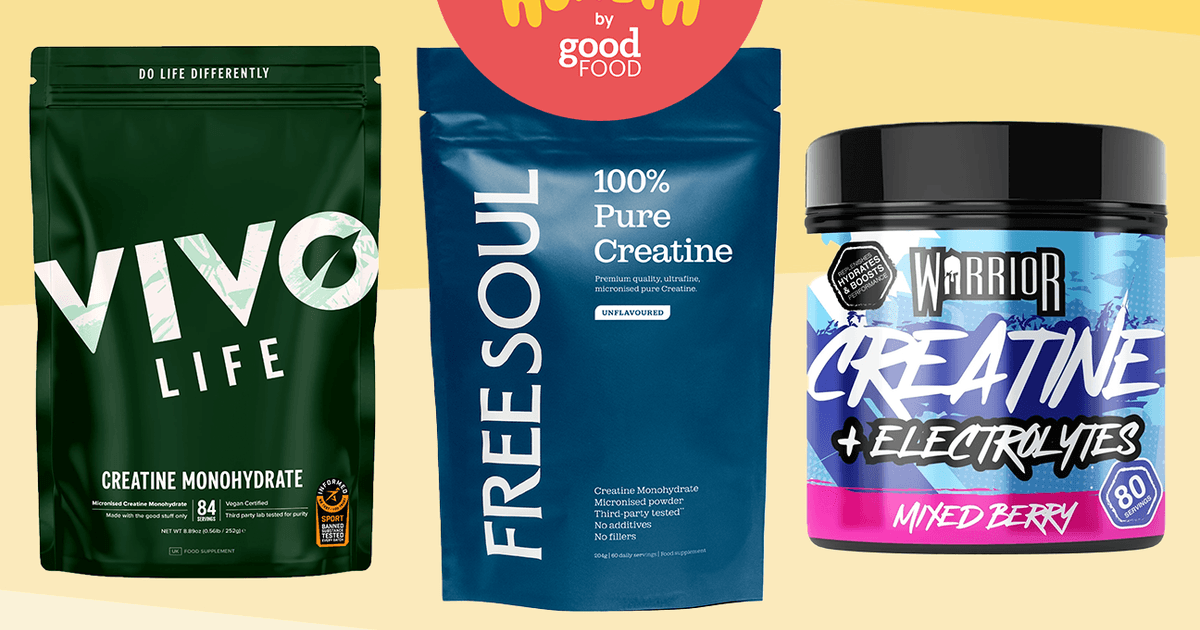
Creatine is a popular supplement used by athletes and gym-goers to support muscle performance and recovery.
What is Creatine?
Creatine is a naturally occurring compound found in muscle tissue. It helps produce energy during high-intensity activities like weightlifting or sprinting.
It is also available in supplement form. Most creatine supplements are made from creatine monohydrate, the most studied and widely used form.
Why Do People Take Creatine?
Users report improved strength, faster recovery, and better performance during intense workouts.
Studies show creatine can increase muscle mass and power output over time. It is especially effective for those engaged in short bursts of intense activity.
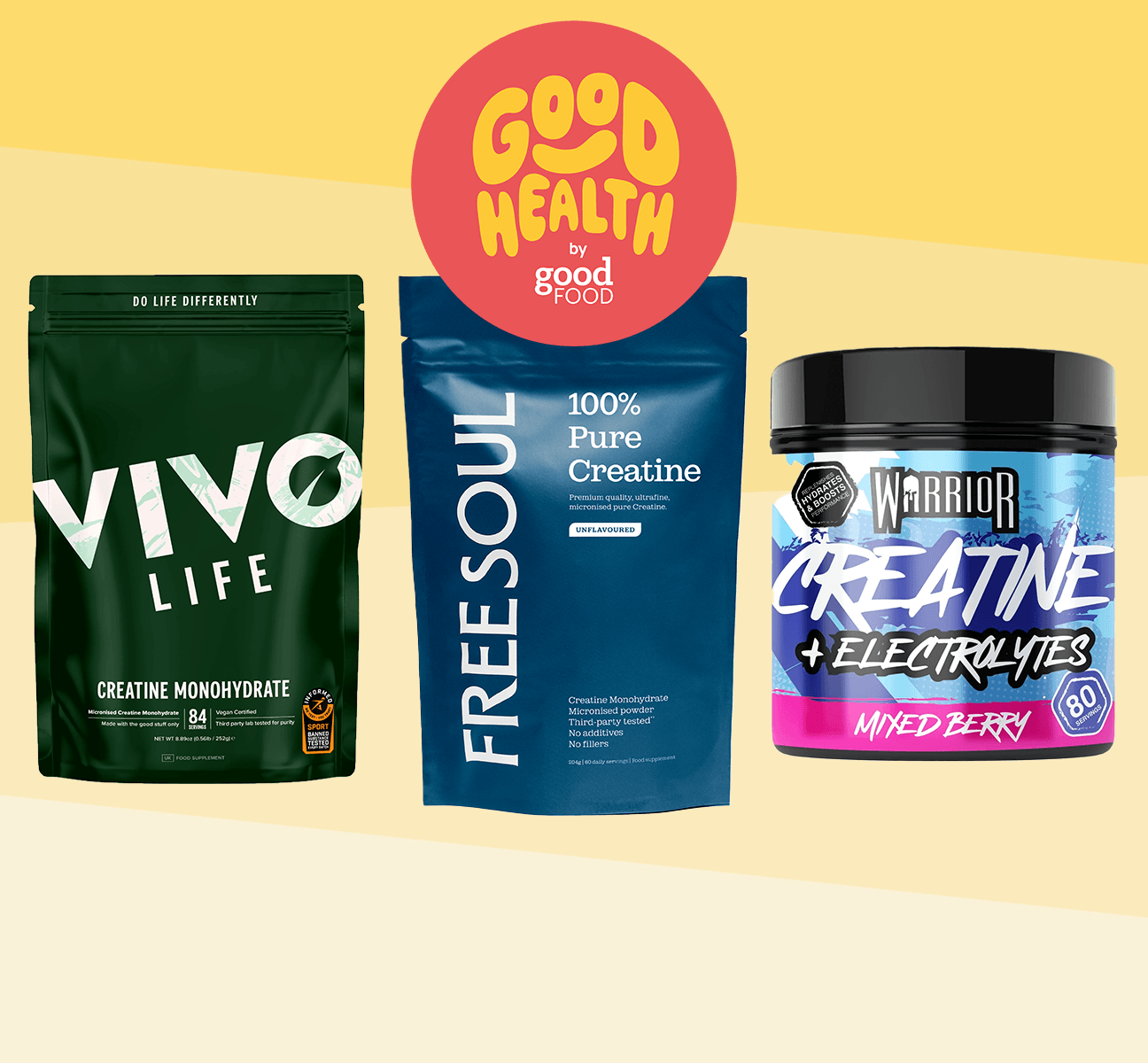
Top Creatine Supplements in 2026 (According to BBC Good Food)
Based on expert testing and user feedback, BBC Good Food reviewed several creatine supplements for 2026.
- OptiCreatine: A well-balanced blend with added vitamins. Offers a clean, easy-to-digest formula. Recommended for general fitness users.
- PrimeGym Creatine: Contains a mix of creatine forms including creatine monohydrate and creatine ethyl ester. Some users report faster absorption, though evidence is limited.
- MaxPower Creatine: Includes a blend with amino acids. Designed for those seeking muscle growth and recovery. May be more expensive than standard options.
All products were tested for purity, consistency, and effectiveness. The BBC Good Food team evaluated them based on scientific backing, user reviews, and manufacturing quality.
How Creatine Works in the Body
Creatine stores energy in muscle cells. When muscles need quick bursts of energy, creatine helps convert stored energy into ATP, the body’s main energy source.
After a workout, creatine supports muscle repair and recovery. This can lead to improved performance in future sessions.
What Experts Say About Creatine Use
Dr. Sarah Thompson, a sports nutritionist, says: "Creatine is one of the most effective and well-researched supplements available. It works reliably for strength and endurance in short-duration activities."
However, results vary based on diet, training, and individual metabolism.
Limitations and Concerns
Not all creatine supplements are equal. Some contain fillers or low-quality ingredients. Others may have inconsistent dosing.
There is limited evidence for creatine’s benefits in endurance sports or long-duration activities. It is not recommended for children or people with kidney conditions without medical advice.
Some users report digestive discomfort. This is more common with high-dose or poorly formulated products.
What to Watch Next
As new research emerges, creatine’s role in recovery and performance may be refined. Future studies could explore how it interacts with other supplements like protein or BCAAs.
Manufacturers may also improve delivery systems to reduce side effects and increase absorption efficiency.
For now, creatine remains a safe and effective option for those seeking performance support in strength training.
For more on fitness routines and nutrition, check out our expert review on the best creatine supplements in 2026.
Sources & further reading
Featured image: Best creatine supplements 001. Via original publisher. Image source