A reader challenged Wall Street Journal columnist to take an affordable electric vehicle on a road trip through the Deep South, where charging infrastructure is sparse.
What Happened: A Real-World Test of EV Range
The route began in Atlanta, Georgia, and extended through rural areas of Mississippi, Alabama, and Louisiana—regions with limited public charging stations.
The journey was designed to simulate real-world conditions where drivers might face unexpected gaps in charging access.
Key Challenges Along the Way
- Several towns had no public charging stations at all.
- Existing stations were often outdated or unmarked.
- Some stations required a fee or were only accessible during specific hours.
- Multiple times, the Bolt’s range dropped below a small amount due to cold weather and high battery drain.
The car’s original range was stated as a full-charge figure. In practice, under real-world conditions, that range was significantly reduced.
Personal Experience from the Driver
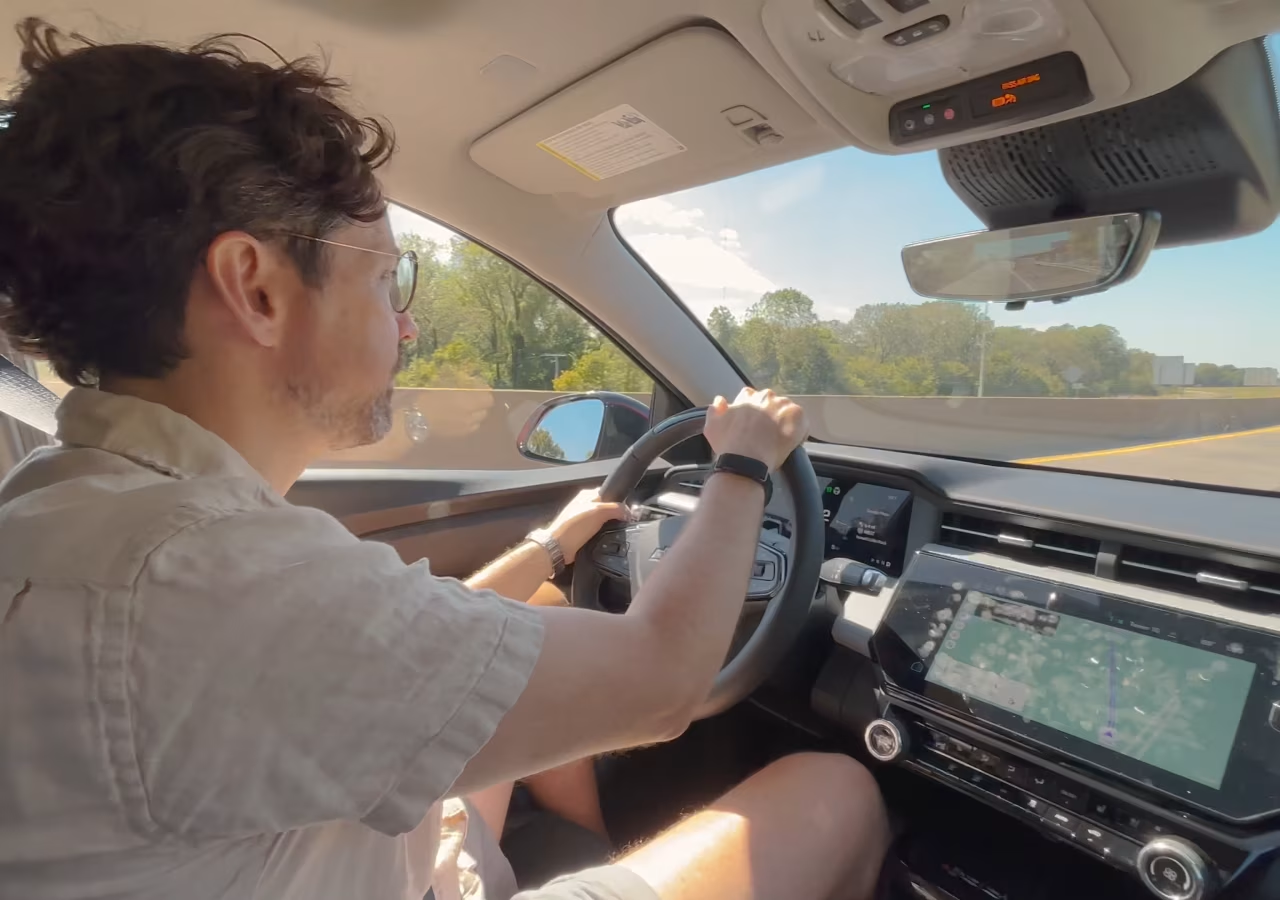
The driver reported that navigating rural roads without clear signage or reliable charging options created anxiety.
“I had to rely on GPS and local knowledge to find a station,” the driver said. “It wasn’t always clear where one began or ended. Sometimes I’d drive past a station and not realize it was there until I was already out of range.”
One instance in rural Alabama required a detour to reach a charging point. The driver had to park in a small parking lot with no shade or shelter, and the station was only open during daylight hours.
Why This Matters
While EVs are gaining popularity, their usability in rural and underserved areas remains uncertain.
Many affordable EVs, like the Bolt, are marketed with long-range claims based on ideal lab conditions. Real-world performance—especially in extreme weather or remote areas—can differ dramatically.
Drivers in the Deep South may face greater challenges than those in urban centers with dense infrastructure.
Limitations of the Test
The trip was not a full-scale survey of all U.S. rural areas. It focused on a single route and did not include data on battery degradation, vehicle age, or road conditions.
It also did not compare performance across different EV models or charging technologies.
There is no official national map of public charging stations in the U.S. that includes real-time availability or user ratings.
As a result, drivers may still face unpredictable situations when traveling outside major cities.
What to Watch Next
Government efforts to expand charging infrastructure, especially in rural areas, will be critical.
Companies may need to improve real-world range claims or offer more flexible charging options, such as mobile stations or roadside assistance.
Consumers should be better informed about actual range performance under varied conditions before purchasing an EV.
For more on how EVs perform in real-world environments, see the original report.
Sources & further reading
Featured image: original publisher image. Via original publisher. Image source