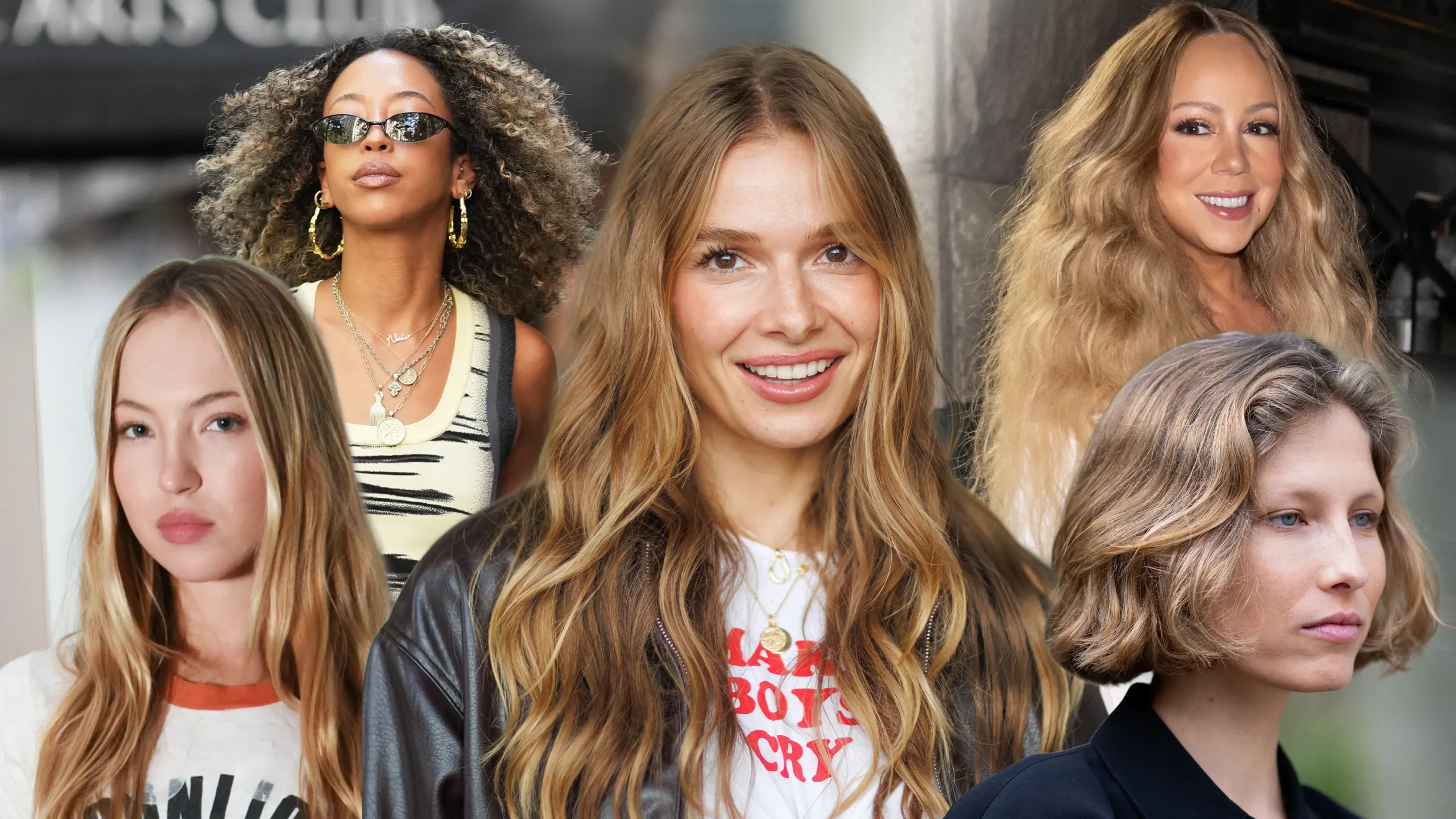
Blonde balayage is a hair coloring technique that creates soft, natural-looking highlights. It’s especially popular for those who want a low-maintenance, dimensionally rich blonde look that grows out seamlessly. Unlike traditional highlights that often appear as distinct, even bands of color from root to tip, balayage blends the natural hair color with lighter tones in a way that mimics the effect of sunlight hitting hair—giving a sun-kissed, lived-in appearance. Source: allure.com.
What Is Balayage and How Is It Different from Traditional Highlights?
Balayage is a technique, not a color. It originally meant hand-painting highlights directly onto hair without using foil. This method, from French, means ‘to paint’ or ‘to sweep’—a reference to colorists sweeping a brush through hair to apply light sections. In this form, balayage was applied directly to hair, with no foil or heat, resulting in a more organic, hand-crafted look.
Today, balayage has become a broad term for dimensional highlighting. Some versions still use hand-painting, others use foil or back-combing for even light distribution. Colorist Ian McCabe of Navy in Washington, DC, says the key difference is in how color transitions through the hair. Traditional highlights are applied evenly from root to end, creating a sharp boundary. Balayage creates a gradient, fading from dark roots to light ends—producing a seamless, natural look.
Emaly Baum, founder of Beauty Supply in New York City, calls balayage ‘much softer and diffused’ than foil highlights. This softness gives a sun-kissed, airy effect that feels like natural growth. But she stresses balayage doesn’t mean a subtle beige look. Placement and blending define the result—balayage can range from soft golden to bold, bright blonde, depending on goals and base color.
Paige Van Ryswyk, a colorist at Scotch Bonnet Hair Studio in West Palm Beach, Florida, says balayage is ideal for a lived-in, low-maintenance result. It avoids visible lines, making it perfect for clients who skip frequent salon visits. Still, she adds it can deliver a bright, striking blonde effect—still growing out naturally without constant touch-ups.
Who Is Blonde Balayage Best For?
One of balayage’s biggest strengths is its flexibility. It works well for many hair types and base colors. Emaly Baum says it’s especially good for clients who want fewer appointments and a seamless grow-out. The technique creates a gradual shift from natural hair to highlights, reducing the need for frequent salon visits.
Brunettes can get blonde balayage. But maintenance depends on how dramatic the change is. A client with dark hair wanting just a few blonde pieces needs less upkeep than someone aiming for a very light overall look. Van Ryswyk notes that a platinum blonde may not suit someone with very dark hair. A warm bronde or golden tone might blend better.
Van Ryswyk stresses that consultations should focus on matching a tone to your natural color—not copying Pinterest images. This ensures the result feels authentic and blends naturally. The best results come when a colorist understands your hair’s texture, porosity, and base color.
How Do You Get Blonde Balayage?
Bring photos to your appointment—but don’t just show a picture and say, ‘I want this.’ Talk to your colorist about what you like in the look. Do you want blonde around the face, mid-lengths, or ends? Do you prefer a soft golden tone or a bold contrast?
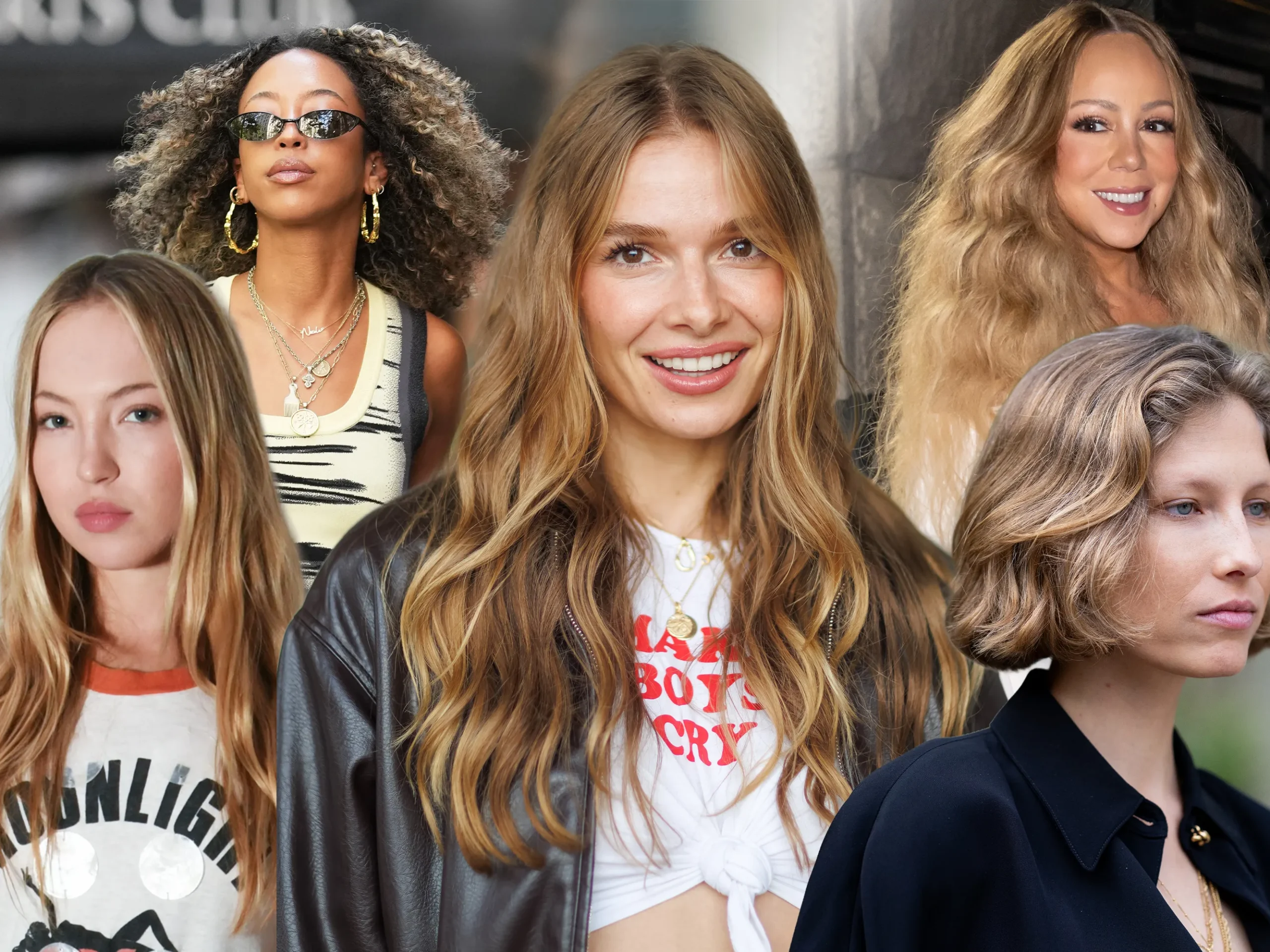
Van Ryswyk says the goal is to create enough blending so you don’t feel the need to return to the salon soon. For low-maintenance, leave roots mostly untouched. This lets natural hair grow out, reducing touch-ups. For a bolder effect, apply more lightness and contrast, especially in mid-lengths and ends.
There’s no single version of blonde balayage. The ideal result depends on your hair type, base color, and how much maintenance you’re willing to do. Fine, straight hair may prefer a soft, diffused look. Thick, curly hair might benefit from more defined highlights. The final result should match your style and lifestyle—not just a trend.
How Do You Maintain Blonde Balayage?
Blonde balayage grows out naturally, so it can go longer between salon visits than traditional highlights. Most colorists recommend appointments every three to six months—compared to every two months for scalp highlights. This longer interval is one of balayage’s main advantages.
Still, at-home care matters. Use gentle, color-safe shampoos and moisturizing conditioners. Emaly Baum recommends the Rōz Foundation Shampoo and Conditioner. It cleanses without weighing hair down, leaving it clean and hydrated.
Heat protection is essential when styling. Ian McCabe recommends the Milbon Color Retaining Primer. It protects against heat and UV damage—both critical for blonde hair. Always use it before blow-drying or using hot tools, and keep tools on a lower setting to avoid burning.
For deeper care, use a mask like the Davines Nounou Mask weekly or every other week. This restores moisture and repairs damage from heat or environment. A consistent routine keeps hair healthy and shiny over time.
Adding a colorless gloss at home can also help. Emaly Baum recommends Glaze Supergloss in Vanilla Lights. This gloss neutralizes brassiness and restores shine to highlights. Even without changing color, it keeps your balayage looking fresh and vibrant.
Blonde Balayage Inspiration
- Emaly Baum – Founder of Beauty Supply in New York City. A colorist who emphasizes customization and natural transitions, focusing on how balayage blends with a client’s existing hair color.
- Ian McCabe – Owner of Navy in Washington, DC. Focuses on blending techniques and long-term hair health, with a strong emphasis on heat and UV protection.
- Paige Van Ryswyk – Colorist and hairstylist at Scotch Bonnet in West Palm Beach. Advocates for client-driven, low-maintenance results that prioritize natural, lived-in looks.
Blonde balayage is not just about color—it’s about balance, maintenance, and personal expression. It works best when tailored to your hair’s base and your lifestyle. Whether you’re starting with dark brown hair or already have a light base, balayage offers a versatile, elegant solution that grows out beautifully with time.
Sources & further reading
Featured image: original publisher image. Via original publisher. Image source