Updated: March 5, 2026
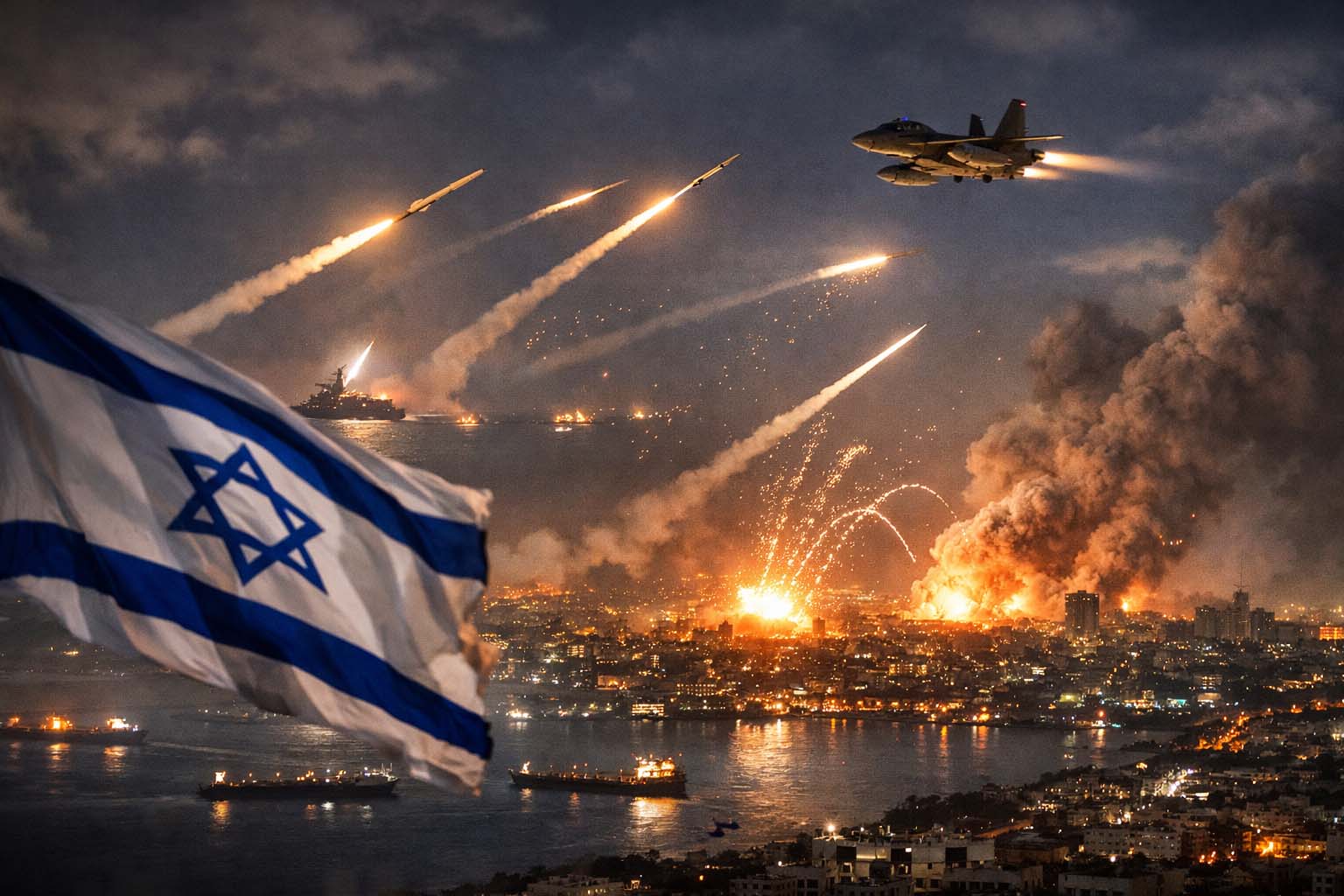
Iran fired a new wave of missiles toward Israel early Thursday, triggering air-raid sirens and pushing millions into shelters, as the U.S.-Israel conflict with Iran moved into its sixth day. In Washington, Republican senators blocked an effort that would have required congressional authorization to continue the U.S. air assault—keeping President Donald Trump’s ability to direct the campaign largely intact.
What happened overnight
Iran’s missile barrage sent large parts of Israel into emergency mode, with residents sheltering as alerts sounded. The strikes came hours after the U.S. Senate vote that stalled a measure designed to constrain the administration’s military actions.
The US Senate vote, explained
A procedural vote in the Senate failed 53–47, largely along party lines, preventing the resolution from advancing. The measure aimed to halt the air campaign unless Congress authorized it, effectively invoking Congress’s war-powers oversight.
Conflict widens beyond Israel and Iran
The fighting has spilled into a broader regional and international crisis:
- A U.S. submarine sank an Iranian warship off Sri Lanka, with at least 80 reported killed, according to U.S. Defense Secretary Pete Hegseth.
- NATO air defences intercepted an Iranian ballistic missile fired toward Turkey, the first clear sign Turkey has been pulled directly into the confrontation (though U.S. officials downplayed the likelihood of triggering NATO’s collective-defence clause).
Strait of Hormuz: shipping disruption and oil-market shock
Commercial movement through the Strait of Hormuz remained severely disrupted, tightening concerns over oil and gas flows. Reuters reported around 200 vessels anchored off the coast, while the U.S. discussed escorting tankers but said naval forces are focused on the conflict for now.
Markets reacted unevenly: some equities stabilized, but energy risks and shipping insurance costs stayed elevated, and policymakers warned of wider inflation and growth impacts if the crisis drags on.
Air travel chaos and repatriation efforts
Commercial aviation remained sharply reduced across much of the region, affecting major hubs (including Dubai). Governments accelerated evacuation plans; Reuters noted repatriation flights departing and reported a UK repatriation flight from Oman was rescheduled.
Leadership shock in Tehran: funeral postponed, succession in motion
Iran announced it postponed farewell ceremonies for Supreme Leader Ayatollah Ali Khamenei (86), who Reuters reported was killed by Israeli forces on Saturday, February 28, 2026—a watershed moment in the conflict. Iran’s Assembly of Experts said it would announce a successor soon, with Mojtaba Khamenei described as a prominent contender among possible candidates.
Why this matters
- Risk of wider regional escalation: Turkey’s proximity and NATO involvement raise stakes even if officials insist treaty triggers are unlikely.
- Energy chokepoint pressure: Hormuz disruption can ripple into fuel prices, shipping costs, and inflation globally.
- US political constraints (or lack of them): The Senate vote signals limited near-term appetite to rein in the air campaign through Congress.
- Iran’s leadership transition: Succession uncertainty can harden positions and complicate any diplomatic “off-ramp.”
What to watch next
- Whether missile exchanges intensify or shift to new theatres
- Any concrete move to restore safer shipping through Hormuz (escorts, insurance backstops, or ceasefire corridors)
- A formal succession announcement in Iran and the political direction it signals
- Fresh congressional attempts to challenge or limit U.S. military action
FAQ
Did Iran launch missiles at Israel on March 5, 2026?
Yes—Reuters reported Iran launched a fresh wave early Thursday, prompting mass sheltering in Israel.
What did the U.S. Senate vote do?
It blocked a procedural step to advance a resolution that would have required congressional authorization to continue the U.S. air campaign.
Why is the Strait of Hormuz so important right now?
Because disruption there constrains global oil and gas shipping, driving up costs and raising inflation risks.
Is Turkey now involved?
Reuters reported NATO intercepted a missile fired toward Turkey—an escalation that marks Turkey’s first direct draw into this conflict phase.
What’s happening with Iran’s leadership?
Farewell ceremonies for Ayatollah Ali Khamenei were postponed, and Iran said a successor decision would come soon; Mojtaba Khamenei was cited as a leading contender.