KYIV — Baby making has turned into a patriotic act in Ukraine.
Fighting back against massive population losses after four years of a Russian invasion, Ukrainian women are birthing little warrior babies in defiance of Vladimir Putin’s siege.
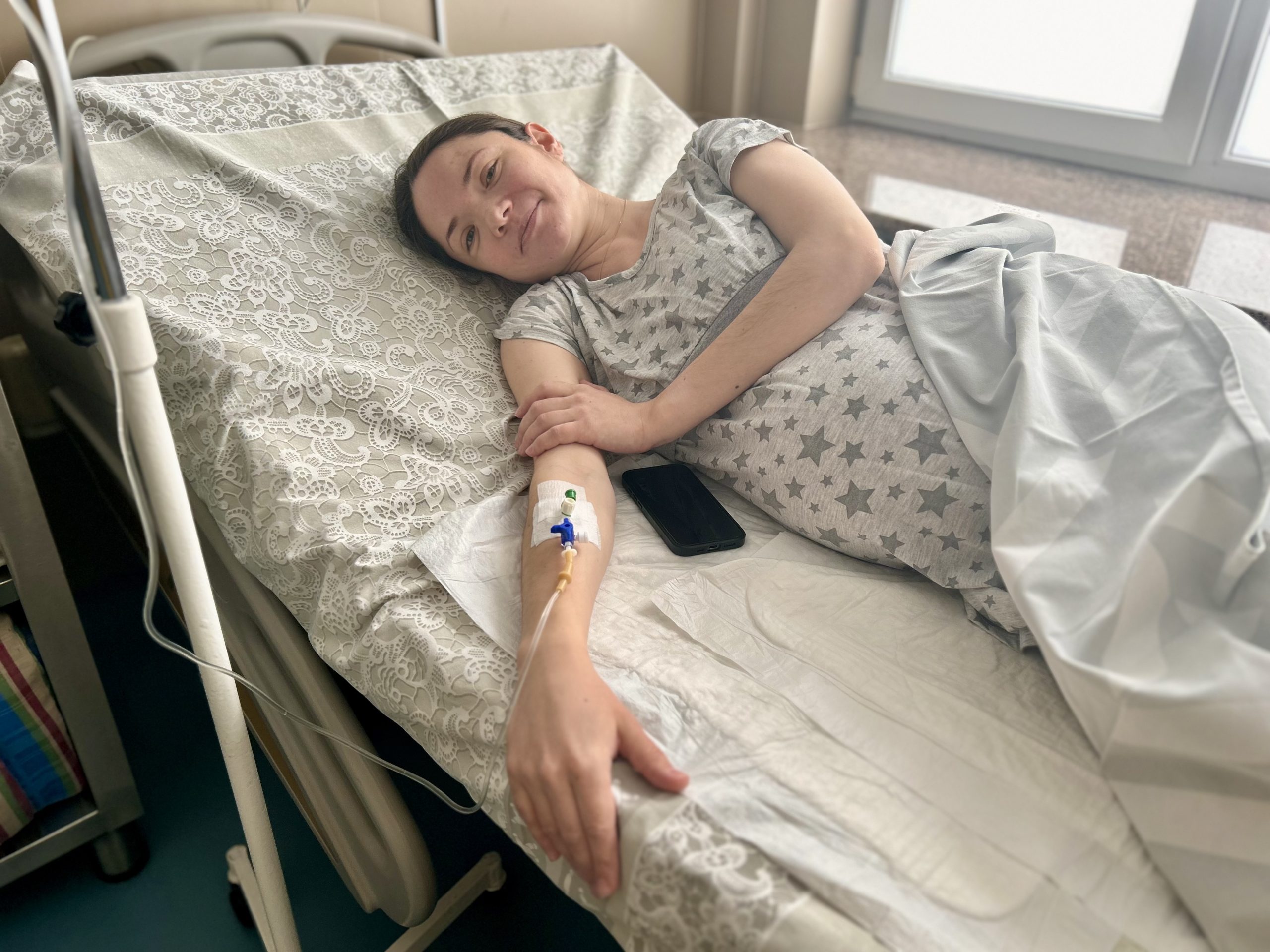
For 35-year-old Katerina Minder, that decision is existential. She’s having another baby during the war to resist the Russian invasion and continue the Ukrainian heritage.

“I think it’s my power,” Minder told the Post as she prepared for a C-section to deliver her second son on Monday. “It’s my help for my country. Yes, to keep life and to be Ukrainian. I am proud to be proud of it.”
The prolonged Russia-Ukraine war has accelerated a demographic collapse in the country. The death rate in 2025 outpaced the birth rate by about 3 to 1.
Millions have fled abroad, couples are separated, thousands have been killed and birth rates have plunged.
Before Russia’s invasion, Ukraine saw roughly 30,000 births per month, according to Kyiv School of Economics sociologist Tymofii Brik.
Now, that number has dropped to about 10,000 to 12,000 monthly, he told The Post — a staggering decline that underscores the long-term toll of the conflict.
Ukraine’s government recognizes the seriousness of the population losses, too.

Active-duty service members can now freeze their eggs and sperm for free to combat the wartime demographic crisis under a government program. This allows war fighters to prolong their fertility and permits their spouses to use frozen sperm and eggs even after their death to make babies.
In wartime, motherhood carries a heavier symbolism.
Mother Hanna Vanfundin said she decided to have a baby to “keep the Ukrainian population going.”
Having children has taken on added meaning amid fears that Putin’s war aims go beyond territory — but striking at Ukrainian identity itself, she said.
Start your day with all you need to know
Morning Report delivers the latest news, videos, photos and more.
Thanks for signing up!
“Many people, not only militaries, but also civilian and adult and children, are dying because of war, so it’s very important for demography,” Vanfundin told The Post, while waiting in line at a refugee agency.
For these women, childbirth is not just a private milestone, but a declaration that Ukraine will endure.
Igor Sirenko, Minder’s doctor, said it was a great privilege to be an obstetrician in wartime. While some treat wounds, he brings life into the world.
But not every day is easy. Air alarms still spur expectant mothers into shelters, and there’s no real end to the conflict in site.

It’s in those times that he looks forward to going home to his own daughter, brought into the world two years ago — a decision he and his wife made, Sirenko said, because “life must go on.”
“My daughter is a source of positive energy. When you’re returning to home, you’re seeing her smile, how she loves you, and really your giving you hope for a bright future,” he said. “But then you realize that it’s pretty hard to hope for something — but my daughter is like this small, positive energy.”
For Minder, she had her first child in March 2022 during the first month of war.
“It was really scary,” she told The Post. “We were in shelter here, and there were missile attacks.”

Back then, as she sheltered underground with explosions echoing above, she wrestled with the world she was welcoming her first child into.
“I didn’t want to bring life in such situation,” she said. “But my son — my son decided; he chose such a time.”
Her firstborn, Max, is now four — the same age as Russia’s war. Minder describes him as a “warrior.”
“He really often asks me when the war will finish,” she said. “Because he wants to see fight planes in the sky. He wants to go to the sea with his dad, with all the family. And he really, he often asks me why Russians want to kill us.”
What does she tell him?
“I tell him that they are bad people, and they don’t like us. They want to kill us because they are bad.”