November in Milwaukee: A Garden in Transition
November in downtown Milwaukee marks the end of summer blooms. Most perennials are entering dormancy. Leaves pile up, and the landscape appears quiet. Yet, the gardens still offer visual interest. As the days grow shorter and temperatures drop, the garden ecosystem undergoes a quiet transformation. While flowering plants fade, other elements—foliage, fruit, and structural forms—continue to provide beauty and ecological function. This season is not a time of barrenness, but of layered expression. The garden becomes a canvas of texture, color, and resilience, where the presence of certain plants and the absence of others create a dynamic visual narrative. Source: finegardening.com.
Reyes walks familiar streets with her dog. She identifies a few gardens that stand out in the season’s quieter moments. These are not just places of aesthetic appeal—they are living systems that continue to interact with their environment. Each garden reflects a different approach to design, maintenance, and ecological awareness. Some prioritize structure and form, while others embrace a more natural, unstructured look. This diversity is what makes the fall walk so rewarding.
A Prairie-Inspired Garden in Full Fall Display
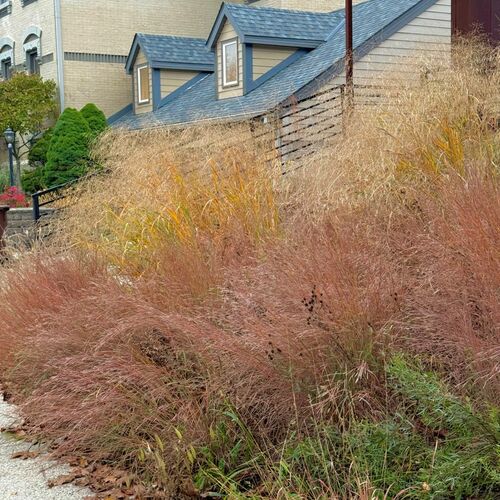
One garden features a prairie-style design. It thrives in summer with pollinators. In fall, switchgrass and little bluestem become prominent. These grasses are native to the region and are well-adapted to Wisconsin’s climate and soil conditions. Switchgrass (Panicum virgatum) grows in large sweeps. Its plumes rise like tall, fluffy banners when planted in groups. The effect is striking in a neighborhood setting. The grasses are not only visually impressive but also serve as habitat for birds and insects, offering shelter and food in the late season.
Little bluestem (Schizachyrium scoparium) adds pinkish-copper tones. The planting extends into the curb strip, making it easy to spot. This design choice demonstrates how gardens can blend seamlessly with the urban environment, using natural forms to create a sense of place. The grasses also contribute to soil health by stabilizing the ground and reducing erosion.
A Garden That Thrives Through the Seasons
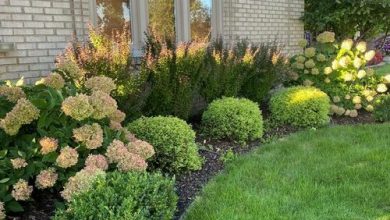
Another garden spans the entire yard. It maintains visual interest year-round. The design includes a mix of perennials, shrubs, and annuals that perform well across seasons. Even in November, roses bloom. Hydrangeas continue to produce flowers. The garden includes a decorative urn with a pumpkin, a seasonal touch. This element reflects a cultural tradition of fall celebration, where garden features are used to mark the passage of time.
Reyes notes that the garden appears messy to some. But she finds the fall mess appealing. The hostas (Hosta cvs., Zones 3–9) spill over stairs. They are surrounded by red maple leaves. The mix of plant and fallen foliage creates a natural, lived-in look. This aesthetic is not accidental—it reflects a design philosophy that values organic growth and imperfection. Such gardens do not strive for perfection; instead, they celebrate the natural progression of plant life and seasonal change.
Caution: An Invasive Plant in the Landscape
A deep burgundy shrub with bright red berries catches the eye. It is Japanese barberry (Berberis thunbergii). Reyes identifies it as invasive in Wisconsin. It spreads aggressively through underground roots and seed dispersal, outcompeting native species and altering local ecosystems. Invasive plants can reduce biodiversity, disrupt food webs, and degrade habitat quality for native wildlife.
She recommends native alternatives: chokeberry (Arctostaphylos uva-ursi), fothergilla (Fothergilla major), Virginia sweetspire (Itea virginica), summersweet (Cercis canadensis), and inkberry (Ilex glabra). These native plants offer similar ornamental value—such as vibrant foliage or fruit—without the ecological risks. For example, chokeberry produces small, dark berries that birds enjoy, while Virginia sweetspire offers elegant, fragrant foliage and blooms in late summer. Choosing native species supports local ecosystems and promotes long-term garden sustainability.
Fruit Trees as Fall Color Anchors
A Siberian crab apple (Malus baccata) is covered in clusters of warm orange fruit. As summer flowers fade, fruiting trees become key sources of color. This apple tree stands out in the landscape. Its fruit is visible even in November, offering a bright contrast against the gray and brown tones of the season. The tree provides both visual interest and ecological value. Birds and small mammals rely on these fruits as a food source during the winter months.
Unlike ornamental flowers, fruiting trees offer a tangible connection between plant and animal life. Their presence signals that the garden is not just a human-designed space, but a functioning part of a larger ecological network. The fruit remains on the tree through winter, providing a continuous food source for wildlife.
Underused Spaces: The Curb Strip Potential
Many gardens extend beyond the front yard into the curb strip. These spaces are often overlooked. Reyes sees them as valuable for small-scale gardening. In urban environments, curb strips are frequently treated as mere boundaries or pathways. However, they can be transformed into functional green spaces.
They can be used for pollinator plantings, bee lawns, or simple container gardens. Such uses support biodiversity and neighborhood green spaces. For instance, a bee lawn—made of low-growing, flowering plants—can provide food for pollinators throughout the year. These spaces, though small, play a critical role in urban ecology by increasing green cover and offering habitats for insects and birds.
Marigolds: A Fall-Season Favorite
Marigolds (Tagetes cvs.) remain in bloom into November. They grow in strips and add vibrant color. Their presence is a sign of resilience in the garden. These annuals are known for their ability to thrive in a variety of conditions and are often used to deter pests. In fall, they provide a burst of yellow and orange that stands out against the muted palette of the season.
Marigolds are also valued for their ability to attract beneficial insects such as ladybugs and lacewings. Even in late fall, when other flowers have disappeared, marigolds continue to serve as a bridge between summer and winter. Their presence reminds gardeners that gardening is not a seasonal activity—it is a continuous practice.
Leaves: A Natural Habitat for Wildlife
Reyes ends with a key message: leave fallen leaves in garden beds. They provide shelter for overwintering pollinators and beneficial insects. These insects need safe spaces to survive until spring. Fallen leaves create microhabitats—small, protected areas where insects can hide from cold, wind, and predators. This simple action supports insect life and ecosystem continuity.
Some gardeners may view fallen leaves as a sign of neglect or disorder. However, in ecological terms, they are a vital component of the garden’s health. Leaves decompose slowly, feeding the soil and returning nutrients. They also serve as a natural mulch, helping to retain moisture and protect plant roots during winter.
Personal Reflection and Future Moves
Reyes shares that she is moving to Georgia in a few weeks. She will miss the Milwaukee gardens. But she expresses excitement about new plant discoveries in the South. This transition reflects a common experience among gardeners—growing, learning, and evolving over time. As people move, their gardens evolve with them, carrying with them both memories and new aspirations.
She invites readers to share their own garden photos. The Fine Gardening team welcomes submissions. For submissions, readers can fill out the Garden Photo of the Day Submission Form or send -than 5–10 photos to email@finegardening.com. Include details about the plants, location, and personal garden experiences. The team values stories of successes, failures, and favorite plants.
Why This Walk Matters
Urban gardens in fall offer more than just beauty. They reflect resilience, biodiversity, and community. Even when flowers fade, plants continue to contribute. Fruit, foliage, and structure provide seasonal value. These gardens support local ecosystems and offer residents a connection to nature.
Reyes’s walk shows how gardens adapt to seasons. It also highlights the importance of plant choices—both for aesthetics and ecological health. Native alternatives to invasive species are essential. They help preserve local biodiversity. Leaving leaves in place is a small but meaningful action. It supports insect life and ecosystem continuity. Urban green spaces remain vital in winter. They offer visual and ecological continuity.
Sources & further reading
Featured image: THUMBNAIL-1×1. Via original publisher. Image source