Aberfan: The Village That Fought Back is a powerful television review that exposes the enduring grief and institutional contempt faced by survivors of the 1966 Aberfan mining disaster.
The Disaster: What Happened
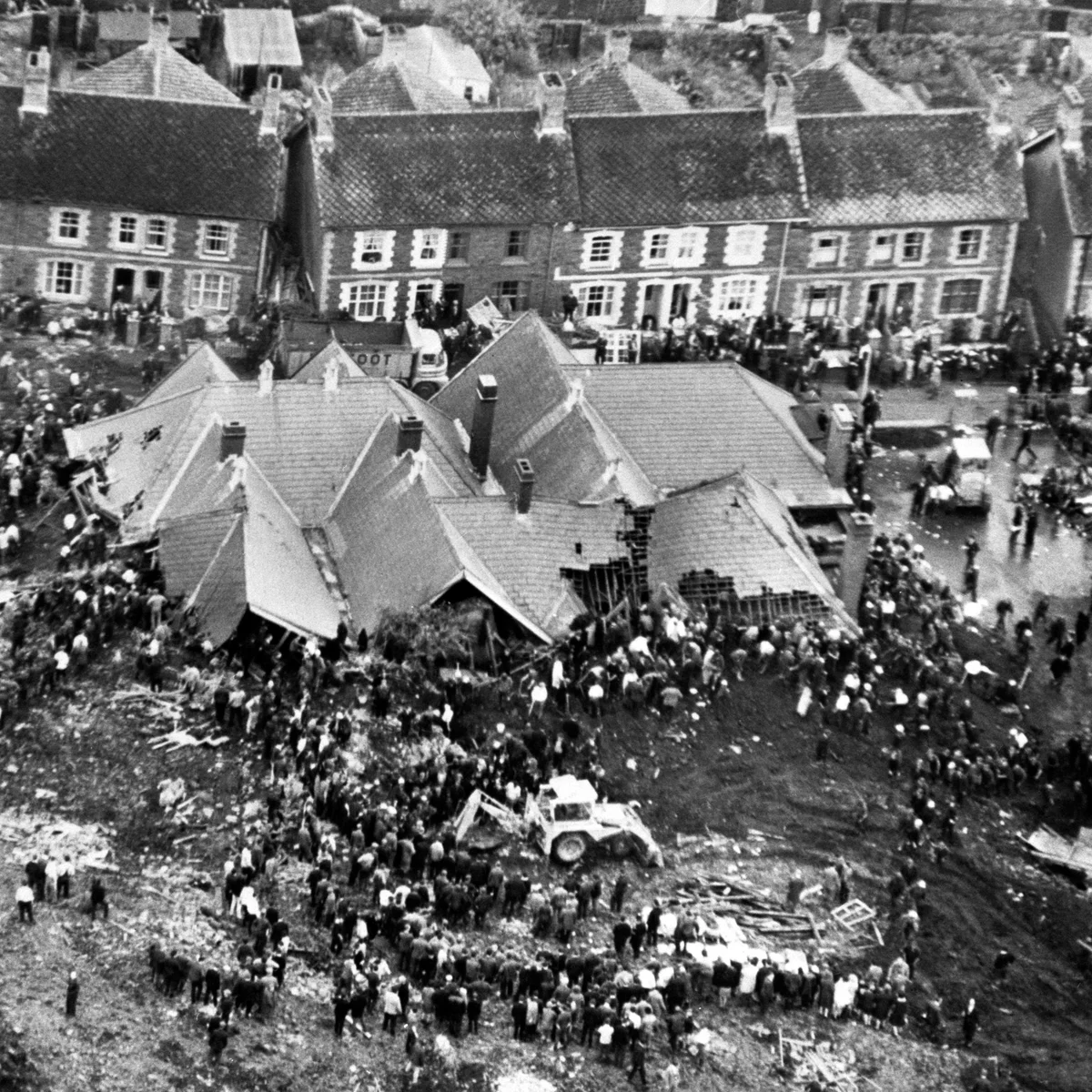
On 21 October 1966, a colliery spoil tip in Aberfan, Wales, collapsed. It engulfed a primary school and nearby homes. The slurry, estimated at 100,000 tonnes, had been built over natural springs. This made the site inherently unstable.
The disaster killed 116 children and 28 adults. It shattered the lives of families and reshaped the village’s social fabric.
Ray Lee, now 90, lost his daughter Anne. She was a student at the school. He recalls: Those eight years went very, very quickly. I loved the child. I lost her. And that seemed to me to be the end of everything really, when she’d gone.
His words show the depth of personal loss.
Survivors and Their Grief
Gaynor Madgwick was a schoolmate of Anne. She survived the initial impact but was severely injured. Her grandfather dug her out from beneath the rubble.
When she asked her father in hospital where her siblings were, he told her they had gone to heaven. This response reveals deep trauma and emotional dislocation.
Marlene Gerlach remembers screaming for her three children across the wreckage. All survived. But the guilt has never left her. The school, once safe, became a site of horror and silence.
Gaynor’s father said the National Coal Board’s actions were daily murder. He sat in rage each evening. His words: it was murder
.
Her mother took Valium. She moved through days like a zombie. The trauma affected every family member.
Government and Institutional Failures
The National Coal Board denied knowing about the springs. They claimed the area had been covered before they took over.
A tribunal found the NCB had knowingly built the tip over multiple water sources. This broke safety guidelines. The report called it a terrifying tale of bungling ineptitude.
It listed poor assessments, no monitoring, and failure to act on risks. Despite clear evidence, no action was taken against the NCB.
George Thomas, the secretary of state for Wales, failed to stand up to Sir Alf Robens, the NCB chairman. He attended a ceremony in Surrey on Friday. He arrived in Wales only on Saturday evening.
This delay showed contempt. The film calls it an anti-Hercules gesture — a sign of indifference to the suffering.

The Aberfan Disaster Fund and Its Betrayal
The Aberfan Disaster Fund collected donations from over 50,000 people. It showed strong public solidarity.
When the NCB agreed to remove the spoil tip, it demanded £250,000 from the fund. The Charity Commission failed to protect it. The fund had no oversight.
When paying survivors, the Commission offered only £500 per household. But only if parents could prove they were close to the child. This treated grief as a measurable condition.
Community Resistance and Resilience
The people of Aberfan did not stay silent. They formed committees. They wrote letters. They visited George Thomas’s office in London.
In one act of protest, they emptied a bag of slurry — the substance that killed their children — onto the floor. They said: He was our minister but he was a coward
.
They faced rebuffs and condescension. Still, they refused to give up. Their resistance was moral. They demanded dignity, accountability, and justice.
Government documents released in 1997 under the 30-year rule confirmed the depth of failure. The betrayal of public trust was real and lasting.
Long-Term Justice and Compensation
The Blair government returned funds to the Aberfan Disaster Fund in the 2000s. This showed a correction of earlier errors.
No individual was ever held to personal account. No one was punished for the disaster. This reflects a broader failure in how institutions respond to catastrophes.
Why This Matters Today
After disasters like Hillsborough and Grenfell, Aberfan remains a warning. It shows how grief is not just personal — it is political.
When institutions treat victims as secondary, the damage lasts. The film’s restraint makes its message stronger. It documents, not dramatizes.
It forces viewers to face a history of neglect. The story of Aberfan is not just about a mining disaster. It is about public institutions’ duty to protect, listen, and respond.
Read the full review on The Guardian.
For a deeper look at how trauma and justice intersect in public life, see Baby Review: Pearl Mackie’s Performance in a Play on Abuse and Justice.
Sources & further reading
Featured image: original publisher image. Via original publisher. Image source