A cybersecurity incident involving the U.S. Air Force’s cloud computing system was reported in early 2026.
What Happened
Hackers gained access to the system in early 2026. The breach was detected through routine monitoring tools.
These tools flagged unusual data transfers and unauthorized login attempts on the Air Force’s Cloud One platform.
Cloud One enables real-time coordination across the Air Force’s global operations. It supports logistics, maintenance, personnel data, and weapon tracking.
The system does not connect directly to classified command or tactical networks. Those remain isolated in hardened environments.
The breach did not result in data theft or system disruption. No active missions or defense operations were affected.
Investigation and Response
The incident is under joint review by the White House’s National Security Council and Homeland Security Council.
These agencies are strengthening early warning systems and threat detection across federal agencies.
The Pentagon’s Cyber Defense Command responded quickly. It added stronger authentication and improved real-time monitoring.
The command also conducted a full audit of access logs. These steps help harden cloud infrastructure and reduce future risks.
The Air Force continues to update its cloud systems. These updates support evolving operational needs and improve data resilience.
How Cloud One Works
Cloud One is a centralized platform used by Air Force units worldwide.
It shares real-time data from field operations, supply chains, and maintenance schedules.
When a maintenance team reports an issue, Cloud One alerts relevant units. It triggers a repair workflow automatically.
Personnel data is also synchronized. This ensures accurate deployment and training schedules.
While the platform is efficient, its internet-based nature creates exposure points. These risks grow as cyber threats become more advanced.
Broader Cybersecurity Trends
The Air Force breach comes amid growing concerns about artificial intelligence in cybersecurity.
AI tools now scan millions of lines of code to find software flaws before they are exploited.
But AI can also be used by attackers to automate vulnerability discovery and exploitation.
A government official said AI detected a flaw in the FAA’s communications network. This led to a temporary flight grounding.
The flaw was patched after AI flagged abnormal traffic patterns.
Similar AI-identified issues have affected financial systems. Outages at Microsoft and JPMorgan Chase were traced to configuration errors.
A third-party vendor serving financial institutions was also compromised. This shows supply chain risks remain.
Limitations and Open Questions
The Air Force has not confirmed the full scope of the breach. No nation-state or cyber-actor has been identified.
No official attribution has been made. The source did not provide attack origins.
While mission-critical operations remain secure, the incident adds to a pattern of digital disruptions. These affect government operations and critical infrastructure.
What to Watch Next
Officials expect to release updates as the investigation progresses.
Increased scrutiny may follow on cloud security. This is especially true as AI tools grow in use.
Similar AI-identified vulnerabilities—like the one in the FAA network—may prompt policy reviews.
These could include better vulnerability disclosure practices and stronger cross-agency coordination.
For more on the Air Force’s cloud breach, see Air Force Cloud One Breach: Updates Blocked, Migration Paused, Scope Unknown.
For details on a related critical vulnerability, see China-Linked Hackers Exploit Critical VMware vCenter Zero-Day.
For broader context on AI and cyber threats, see SecurityWeek report.
Sources & further reading
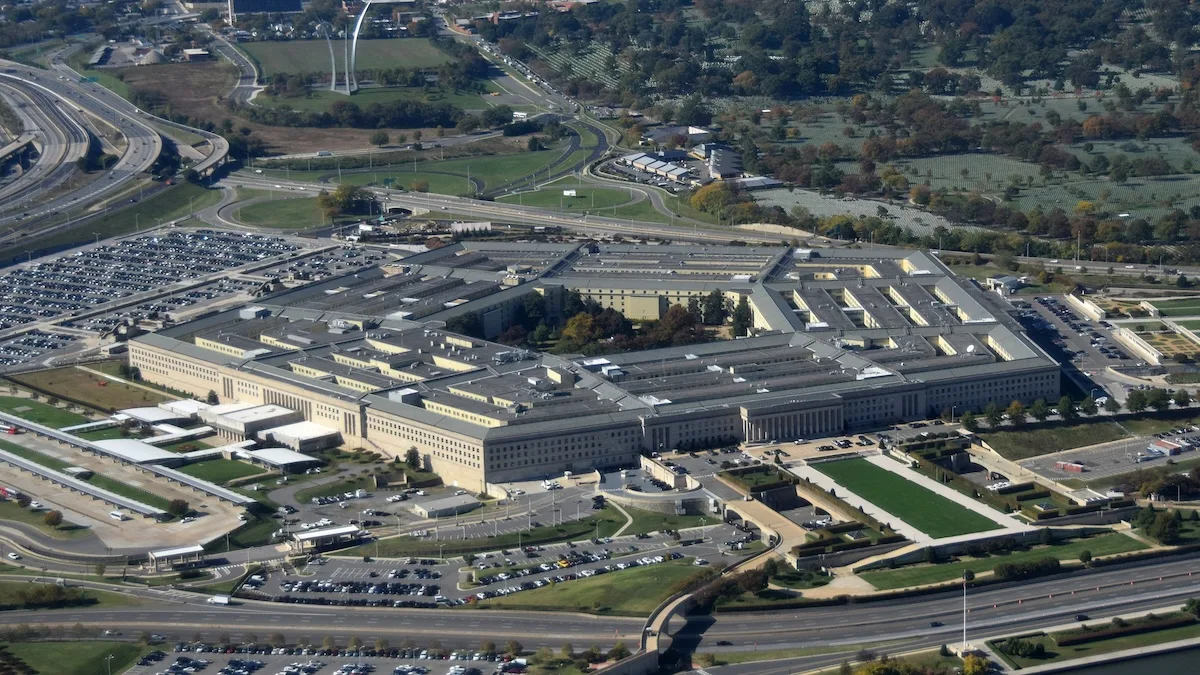
Featured image: Pentagon DOD. Via original publisher. Image source
-

-
-
-