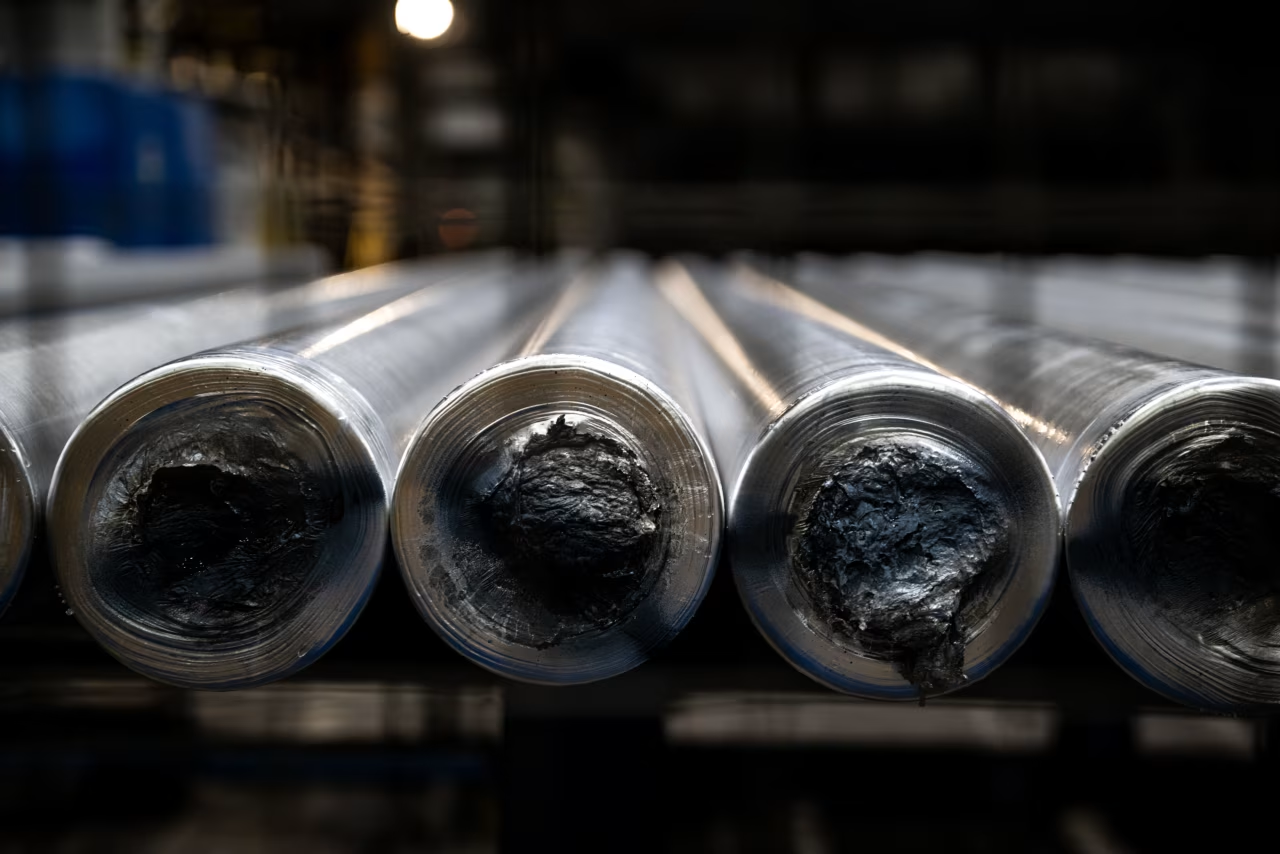
Smelters in Quebec rely on cheap hydroelectric power. This gives Canadian aluminum production a key cost advantage. Source: wsj.com.
What Happened
The Trump administration imposed a 50% tariff on Canadian aluminum exports.
That policy directly affected American industry, which now faces higher input costs for aluminum.
Canadian smelters operate at lower energy costs due to abundant hydroelectric capacity. This makes Canadian aluminum more affordable than U.S. output.
Key Facts
- Canadian aluminum is produced in Quebec, where hydroelectric power is abundant and cheap.
- The U.S. has fewer low-cost energy sources for smelting.
- The 50% tariff was introduced under the Trump administration.
- Higher aluminum prices have been passed on to American manufacturers.
Why It Matters
Aluminum is used in a wide range of American industries — from automotive to aerospace to packaging.
When input costs rise, production costs increase. This can reduce profit margins or lead to higher consumer prices.
Without access to affordable Canadian aluminum, American companies face financial strain.
Background: How Aluminum Production Works
Aluminum smelting requires massive amounts of energy. The process is energy-intensive and sensitive to power costs.
Quebec’s hydroelectric system supplies much of the energy used in Canadian smelters. This reduces operating costs significantly.
U.S. smelters, by contrast, often rely on more expensive energy sources, such as natural gas or coal.
Limitations and Open Questions
The source does not provide data on how much of the price increase was passed to consumers.
It does not specify which American industries were most affected.
There is no mention of how Canadian or U.S. companies responded to the tariff.
Long-term impacts on trade or industry are not detailed in the source.
What to Watch Next
Future trade policies may influence aluminum pricing and supply chains.
Energy costs in the U.S. could shape the competitiveness of domestic smelting.
Canada’s role in global aluminum supply remains critical, especially for energy-efficient production.
For more on how energy policy affects global trade, see European Gas Prices Rise as Trump’s Iran Policy Looms.
Sources & further reading
Featured image: original publisher image. Via original publisher. Image source