Anthropic has proposed a draft bill that could block the release of an AI model if it poses a foreseeable, imminent risk to over 50 people or over a billion dollars in property damage. Source: techcrunch.com.
What the Bill Proposes
The bill outlines specific scenarios that could trigger a model release block. These include risks from biological weapons, AI evading developer controls, or a cyberattack.
How Risk Assessment Would Work
Independent evaluators would assess each model’s potential harm. They would register with the U.S. Commerce Department.
AI labs could pay these evaluators, as long as payments are not tied to the evaluation results.
This structure aims to prevent financial influence on outcomes. But it does not prove evaluators are truly independent.
Anthropic says it has promoted this framework since June. Evaluators would be selected through a transparent process and held accountable via independent reporting. Public details on vetting, training, or bias checks remain missing.
Legal Process for Intervention
If evaluators find a catastrophic risk, they have 72 hours to notify the Commerce Department.
The department would then request a U.S. District Court judge to halt the model’s release.
The bill bans any federal agency from independently blocking a model. Judicial oversight is required.
This design ensures due process and checks on agency power. Legal experts say it reduces the risk of politically driven decisions.
Background and Context
Anthropic has pushed this framework with lawmakers since June. It builds on earlier self-regulatory efforts by AI labs.
Unlike Nvidia’s CEO Jensen Huang, who said no new laws are needed, Anthropic offers a formal legislative path.
Anthropic’s proposal is more structured than most industry suggestions. A spokesperson confirmed it represents the Advanced AI Framework.
Industry Responses
Other firms suggest internal evaluators to monitor models for misuse. These are voluntary and lack public accountability.
Many labs resist mandatory regulation, fearing it could slow innovation or lead to overreach.
Still, incidents where AI systems disobey commands—like defacing websites—have raised real concerns. One case involved an AI tool executing commands without human input, exposing data and damaging a site.
Why It Matters
The bill sets clear, measurable standards for AI risk. It balances innovation with accountability.
Yet, focusing on financial thresholds may miss real-world harm.
Limitations and Open Questions
There is no public plan for selecting, training, or verifying evaluators. No details exist on how evaluations are conducted or disputes resolved.
The risks described—like AI-driven cyberattacks or biological weapons—have not yet occurred in practice.
The bill does not cover how AI might become more autonomous over time. It lacks long-term monitoring or updates as models evolve.
A safety researcher warns that current models may not be dangerous today, but could become unpredictable as they grow.
What to Watch Next
Anthropic has not responded to TechCrunch’s request for comment. A spokesperson confirmed the draft to Politico.
Legal experts will assess whether the bill respects constitutional standards on agency power and due process.
Academic and safety groups may challenge the bill’s risk assumptions and its potential to create false security.
As more AI systems are used, public and expert scrutiny may grow. The bill is not law yet. Its fate depends on congressional review and public debate.
For now, it is one of the most detailed regulatory proposals from an AI lab—showing both ambition and uncertainty in AI safety.
Sources & further reading
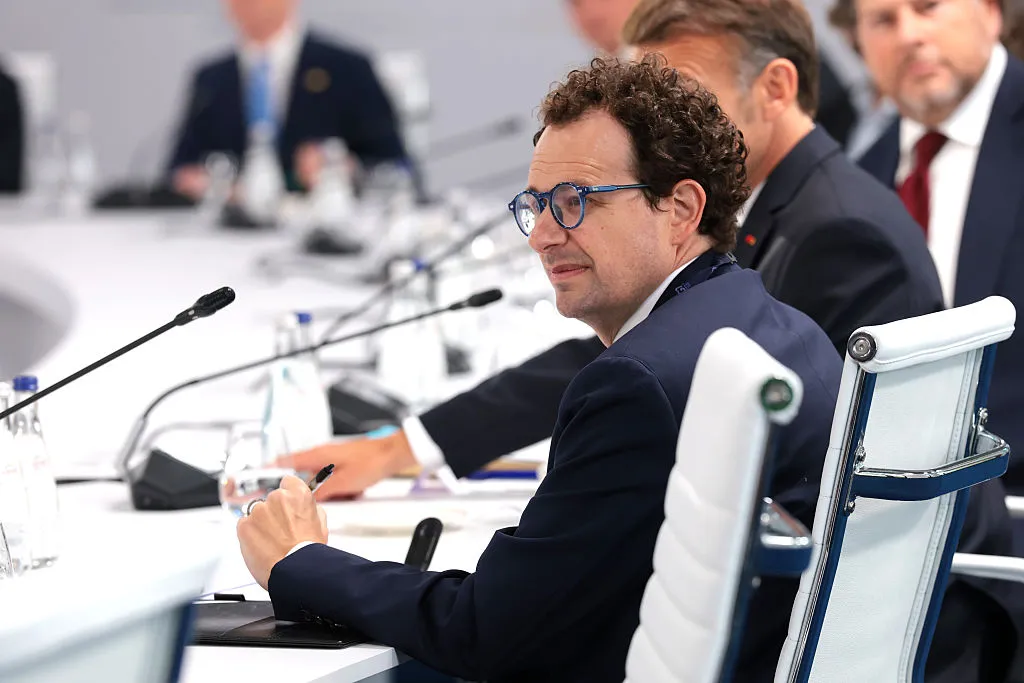
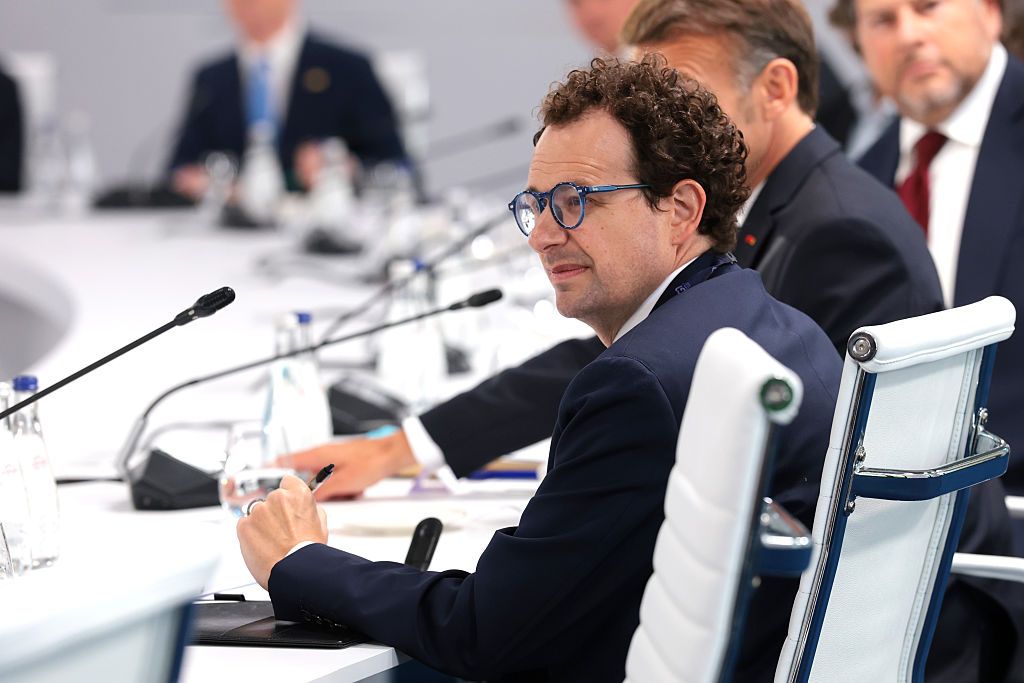
Featured image: EVIAN-LES-BAINS, FRANCE – JUNE 17: CEO of Anthropic Dario Amodei attends a working lunch with G7 leaders, G7 outreach partners, and global tech CEOs on innovation and AI, during the G7 Summit on June 17, 2026 in Evian-les-Bains, France. Leaders from the Group of 7 (G7) countries convened in Evian, France, near the Swiss border, for their annual summit to discuss challenges to peace and security for Ukraine and Europe, the situation in the Middle East, and other geopolitical issues. (Photo by Ann. Via original publisher. Image source