Protests against Flock cameras in the United States surged to a record high in August, according to data released this week.
More than 30 protests took place across at least 15 states last month, according to Armed Conflict Location and Event Data (ACLED), an independent monitor of political violence and demonstrations. It was the highest monthly total since the group began tracking opposition to Flock cameras in fall 2025. Every previous month had recorded fewer than 10 protests.
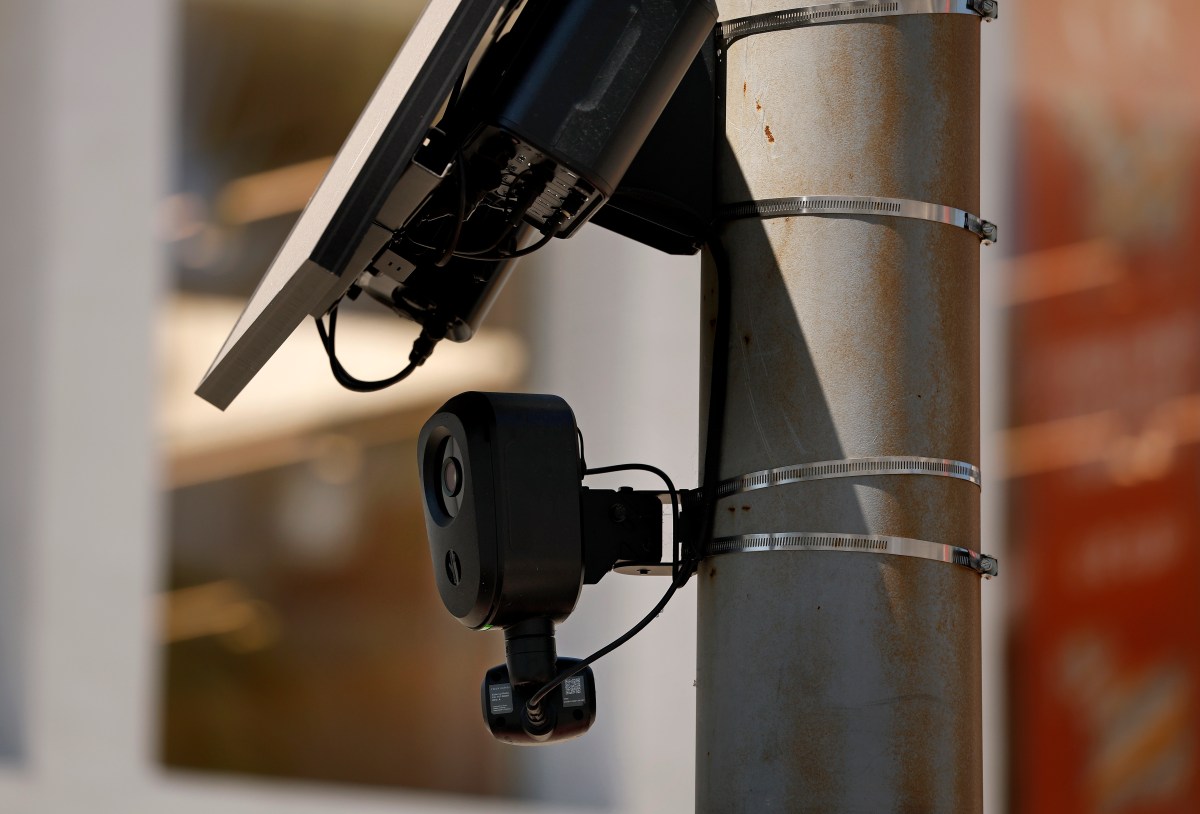
Flock Safety operates a vast network of AI-powered automated license plate readers (ALPRs) that record license plates and other characteristics of passing vehicles in thousands of communities across the U.S. The technology is used by law enforcement agencies in 49 states, allowing officers to search and share data across jurisdictions.
Police say the cameras—over 120,000 nationwide—are an invaluable crime-fighting tool, but critics argue the pervasiveness of the cameras amounts to warrantless and unconstitutional mass surveillance and creates opportunities for police misuse.
The backlash against Flock cameras intensified this year as awareness has increased about the sweeping reach of the surveillance technology company’s network and how its data is used, amid several allegations of police officers misusing the technology. At least 149 cities have deactivated, rejected or canceled Flock contracts, or banned ALPRs outright, since the beginning of the year.
A spokesperson for Flock Safety said in a recent statement to Newsweek that it supports “thoughtful legislation and strong privacy, transparency, and accountability guardrails that ensure technology is used responsibly while preserving law enforcement’s ability to use effective tools to keep people safe.”
Newsweek has contacted Flock Safety for further comment via an email sent outside regular business hours.
What’s Driving the Protests?
The protests are being driven by the public’s fears about surveillance and privacy sparked by the growing network of Flock cameras, according to ACLED’s North America research manager Kieran Doyle.
“Used by police departments, neighborhood associations, and private businesses, the cameras feed into a nationwide network logging information about vehicles across the country, fuelling concerns among demonstrators about surveillance and privacy,” Doyle said.
“Beyond concerns about privacy, public anger has been sparked by several documented cases of abuse by officials with access to Flock’s database. Across the country, police officers have been arrested, placed under investigation and fired for looking up other people’s vehicles to stalk them.”
Doyle noted that in some cases, people have gone beyond protests and turned to vandalizing Flock cameras. At least 250 cameras have been destroyed across the country, according to FlockStats, which is not affiliated with Flock Safety.
“Though this represents a tiny fraction of the overall network, it underscores the extent of the public’s fear over the enormous and growing network of Flock cameras,” Doyle said.
He said the backlash over Flock cameras could also have an impact of November’s midterm elections.
“In some of the most-watched races in the country, candidates have gone on the attack against opponents who have supported Flock,” he said. “The months between now and the election are likely to see an increase in anti-Flock sentiment and anti-Flock demonstration activity as protesters seek change at the ballot box.”

Why Is Flock Under Scrutiny?
Founded in 2017, Atlanta-based Flock Safety operates a nationwide network of automated cameras that capture the license plate numbers and other characteristics of passing vehicles.
Flock cameras essentially take pictures of every passing car, logging its license plate, make, model, color, time, and direction. They are high-definition, being able to spot details such as bumper stickers or toolboxes in a truck bed.
According to its website, 49 states are connected through Flock’s agency-controlled network. The exception is Alaska.
Police and other supporters say the system helps solve crimes and locate missing people. Flock says its network “helps law enforcement, businesses, and communities securely share vehicle evidence, uncover more leads, and solve more cases together” and that customers “stay in control of how their data is shared and accessed.”
Critics, including lawmakers on both sides of the political aisle, have raised concerns about the size of Flock’s network and the amount of data the company’s cameras capture.
A series of investigations raised new questions about who can search Flock’s nationwide network and how that information can be used. It intensified after The Washington Post reported in August that it had identified nearly 50 instances of police officers charged or accused of using Flock’s system for unauthorized purposes, including stalking current or former romantic partners or family members.
Flock’s founder and CEO Garrett Langley has also come under fire over comments he has made in interviews responding to the scrutiny, namely one where he was quoted as saying Americans must “compromise” on their privacy.
“When people talk about just one of these, privacy or safety, they’re prioritizing the wrong thing, and what we have to prioritize as a country is compromise,” Langley said in an interview on Fox News’ Saturday in America. “How do we have our safety, and how do we balance privacy?”
Langley has stressed that transparency and accountability are central to the company’s approach, and has called for state lawmakers to pass legislation to make unauthorized use of Flock data a criminal offense.
Flock’s “end goal isn’t a dystopian future of surveillance; it’s one where we all feel safe,” he told Newsweek in August.
Flock Announces Changes
In August, Flock announced changes to its platform that aim to quell privacy concerns and address abuses.
Beginning January 1, all law enforcement customers will be required to use an audit tool designed to flag abnormal activity. When the system detects abnormal behavior, the user would be locked out pending an internal review.
“The goal is to intervene before misuse becomes recurring or widespread,” the company said.
The company also said it would recommend shortening the default data retention window from 30 days to seven, though data will be allowed to be preserved for longer when it is evidence tied to a case number.
Law enforcement customers will also be required to enter a code from their records management system tying each search to a specific case before it is run. Overrides for emergencies would be automatically flagged for review.
The changes will also allow customers to restrict which categories of crimes outside agencies can use when searching their data.
“For example, City A could allow City B to search its cameras only for a stolen vehicle, missing person, or violent crime while blocking searches related to immigration enforcement,” the company said. “This gives communities more control over data sharing while preserving collaboration where policies align.”
Critics said the changes could still leave room for police to abuse the system.
The shortened evidence retention window could be “a step in the right direction,” the American Civil Liberties Union said in a blog post. It described several of the proposed changes as “retreads of previous inadequate safety measures.”