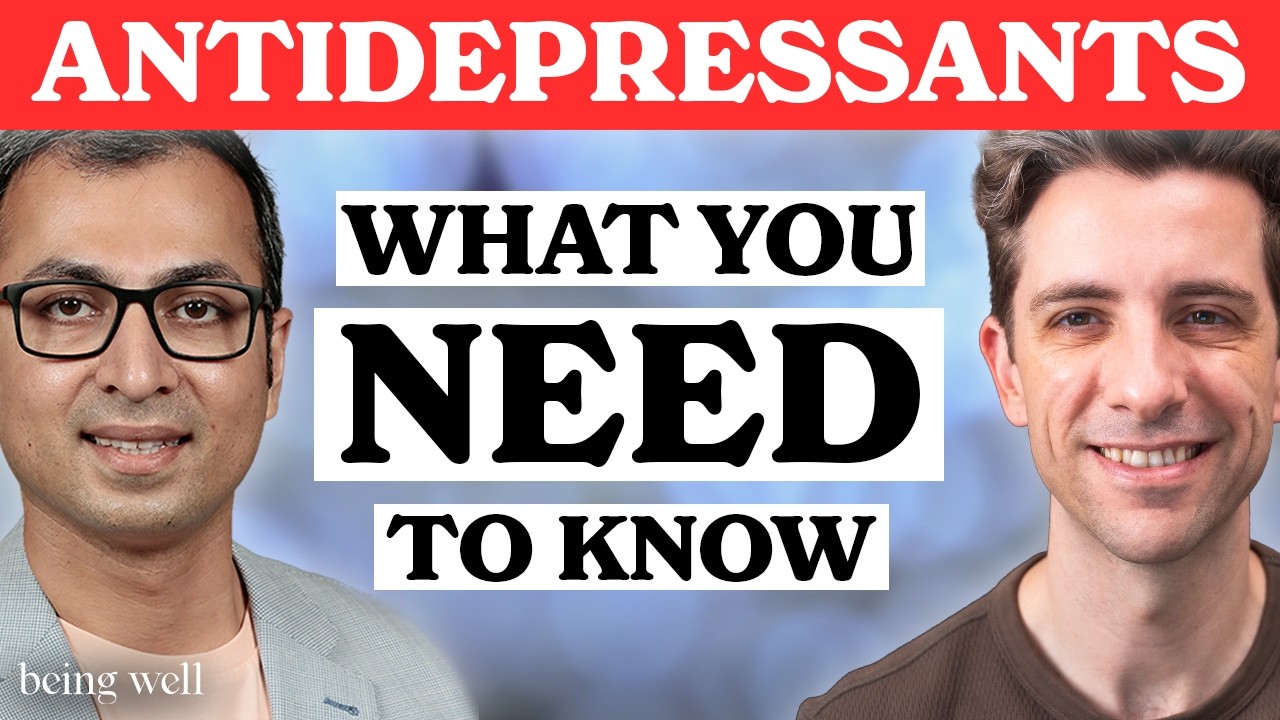
Dr. Awais Aftab, a psychiatrist, discusses antidepressants and depression treatment in a recent episode of the Being Well Podcast.
What Is Depression?
Depression is not simply feeling sad. It is a clinical condition marked by persistent low mood, loss of interest in activities, and impaired functioning.
Dr. Aftab explains that depression affects how people think, feel, and act. Symptoms include anhedonia—losing pleasure in activities once enjoyed—and fatigue, difficulty concentrating, and changes in sleep or appetite.
These symptoms often last for weeks or months. In severe cases, they can interfere with daily life, relationships, and work.
How Do Antidepressants Work?
Antidepressants are medications designed to help balance brain chemicals like serotonin, norepinephrine, and dopamine.
Dr. Aftab notes that these chemicals are involved in mood regulation. Antidepressants may help restore normal levels, which can improve mood and energy.
However, they do not instantly fix depression. It typically takes weeks for effects to appear. Some people report improvement in symptoms, while others see little change.
Placebo Effect and Therapy
Studies show that placebos can produce real improvements in some people with mild to moderate depression.
Dr. Aftab highlights that the placebo effect is not just about belief. It involves biological changes in the brain, such as increased activity in areas linked to mood regulation.
He emphasizes that therapy—especially cognitive behavioral therapy (CBT)—is often more effective than medication alone. CBT helps individuals identify and change negative thought patterns.
Many patients benefit from combining therapy with medication. This approach is supported by clinical guidelines and long-term outcomes.
Personal Experience and Limitations
Dr. Aftab shares that he has seen patients respond well to treatment, but also observed cases where medication had limited impact.
He stresses that depression is complex. Factors like genetics, trauma, life events, and social environment all play a role.
Not all patients respond equally to antidepressants. Some may experience side effects, such as nausea, insomnia, or emotional numbness.
There is no one-size-fits-all solution. Treatment should be individualized and monitored closely.
What to Watch For in Future Research
Dr. Aftab points to ongoing research on how depression develops and responds to treatment.
Scientists are studying biomarkers, brain imaging, and genetic factors to better understand depression.
Future treatments may include personalized medicine, digital tools, and early intervention strategies.
Until then, patients and clinicians should rely on evidence-based practices and maintain open communication.
For more on mental health topics, visit the Being Well Podcast series.
Learn about anhedonia and how to address it in the episode Anhedonia: Why Nothing Feels Good Anymore.
Explore the full podcast series on Rick Hanson’s website.
Sources & further reading
Featured image: Awais Aftab. Via original publisher. Image source