The Browser Company is ending its Arc browser on December 22, 2026, and redirecting users to its AI-first browser, Dia. Source: techcrunch.com.
What Happened
On Thursday, The Browser Company announced the phased shutdown of Arc. As of that date, new accounts could no longer be created, marking the beginning of the wind-down process.
On November 23, Arc Search on iOS and Android will lose its AI-powered features, including ‘Browse for Me.’ Users will no longer be able to sign in or sync tabs, though the app will continue to function as a basic local browser.
On December 22, Arc will cease operation entirely on Mac and Windows. All user accounts will be deactivated, and personal data will be deleted within 30 days. Arc Search will also be removed from the Google Play Store.
Why the Shift?
The company cited growing challenges in maintaining browser security in an era defined by artificial intelligence. In a public statement, it said: ‘Keeping a browser secure takes constant, dedicated work that is only increasing in the age of AI.’
Dia was designed from the ground up to meet today’s security standards. The company asserts that it now outperforms Arc in speed, stability, and security benchmarks.
Key Features in Dia
- Profiles—formerly known as Arc’s Spaces—allow users to switch between work and personal environments.
- Vertical tabs remain available as an optional sidebar layout, preserving a familiar interface element.
- Folders have been rebranded as ‘Pinned Tab Groups,’ maintaining organizational functionality with a new name.
- Passwords, bookmarks, extensions, and browsing history will transfer seamlessly to Dia.
- Core Arc features remain free in Dia, with AI functionality available as an optional add-on.
Background: Arc’s Journey
Launched in 2025, Arc was introduced with a design-forward interface that quickly gained a loyal following among early adopters. Its innovative layout and user-centric features were widely praised for their originality.
However, the company acknowledged that the ‘novelty tax’ and interface complexity limited broader adoption. While it cultivated deep affection among enthusiasts, Arc never achieved widespread use as a mainstream alternative to Chrome.
The Browser Company was acquired by Atlassian in 2025 for $610 million. Despite this strategic shift, the company maintained its development trajectory for Arc, ultimately deciding to pivot toward Dia.

Community Response
Following the announcement, social media platforms saw a surge of user reactions. Many expressed disappointment, with a notable wave of requests emerging for the company to open-source Arc.
CEO Josh Miller addressed the request directly, explaining that open-sourcing Arc would require releasing the Arc Development Kit (ADK)—a proprietary software development kit that also powers Dia. He stated: ‘We can’t do that meaningfully without also open-sourcing ADK. And ADK is still core to our company’s value.’
Limitations and Open Questions
The transition from Arc to Dia is designed to be smooth, but users may still face friction. The removal of AI features in Arc Search reduces access to personalized browsing experiences.
There is currently no public timeline for when Arc might be open-sourced, if at all. The company has not indicated any plans to reintroduce or revive Arc in the future.
Users who were deeply invested in Arc’s unique interface may find that Dia’s design, while more secure and efficient, lacks the same intuitive flow or aesthetic appeal.
What to Watch Next
Real-world performance and security testing of Dia will be critical in determining whether it can live up to its claims. The company’s commitment to AI-driven browsing will be closely observed by both users and analysts.
Whether the community’s persistent demand for open-source Arc will influence future product decisions remains an open question.
The shutdown marks the end of a chapter that began in 2025. Arc was cherished by a dedicated community but never became a mass-market alternative to Chrome.
Sources & further reading
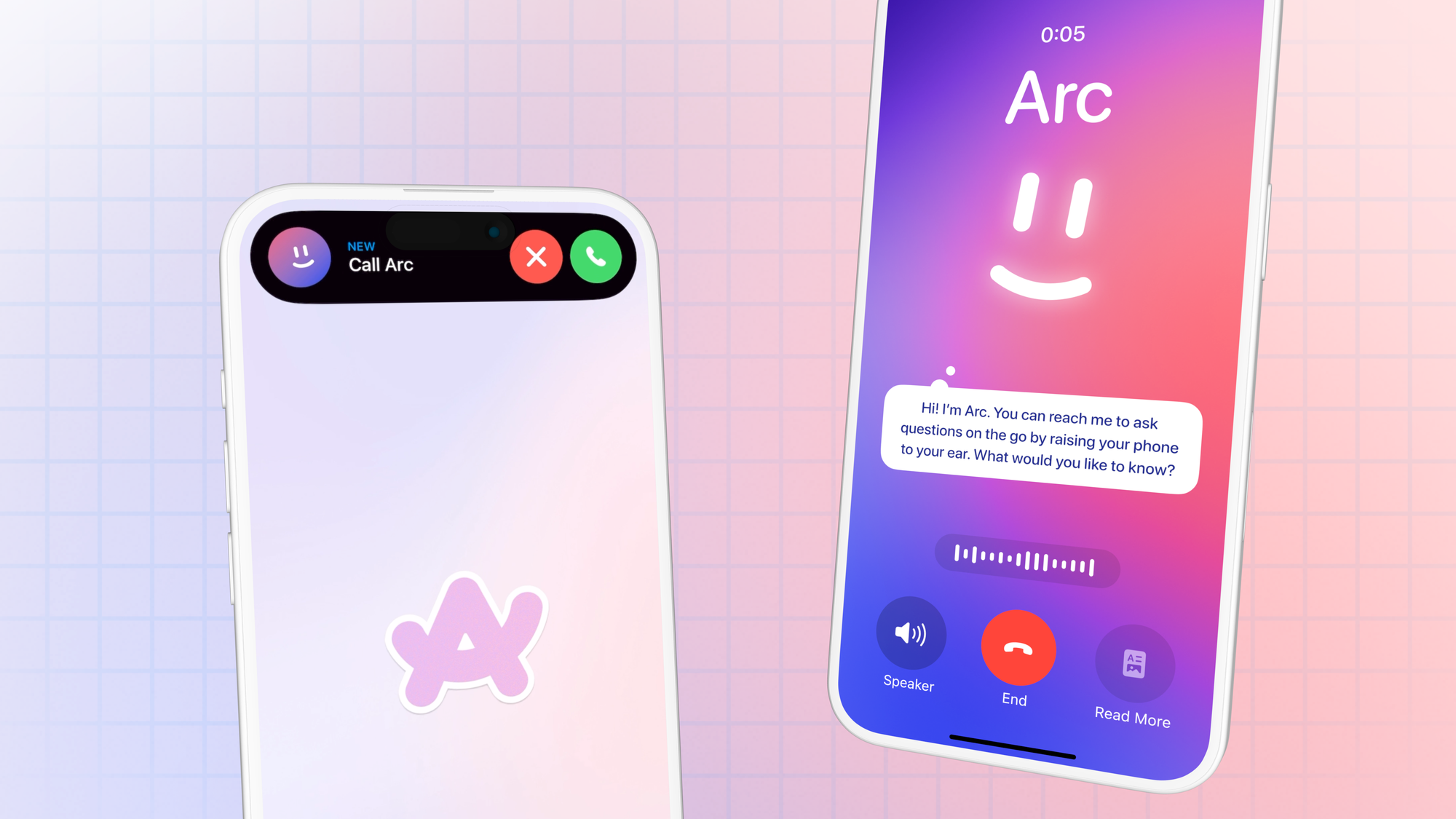
Featured image: The Browser Company render of Call Arc feature. Via original publisher. Image source