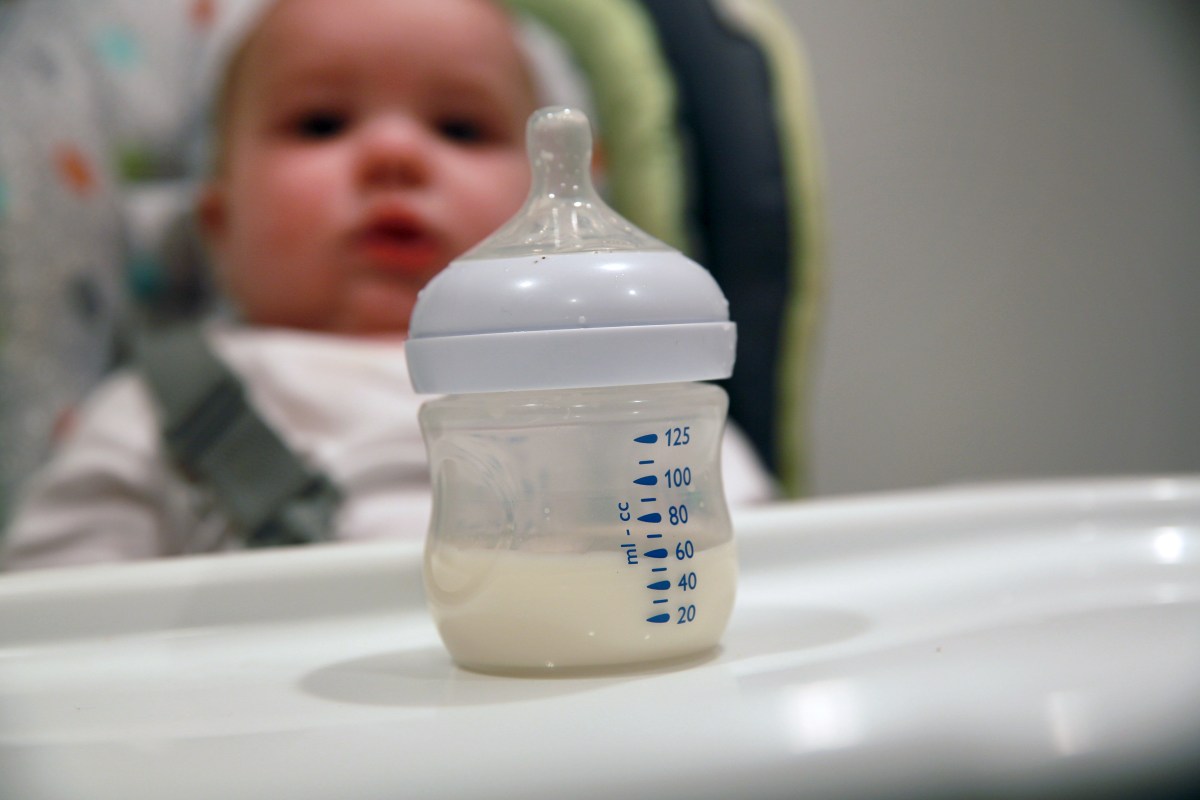
Months after a nationwide recall, recalled ByHeart infant formula is still being found for sale, prompting renewed warnings from regulators and raising fresh concerns for parents who may be unknowingly buying formula linked to botulism.
In November, the U.S. Food and Drug Administration ordered a voluntary recall of all batches of ByHeart Whole Nutrition Infant Formula after a multistate investigation linked the product to cases of infant botulism, a rare but potentially fatal illness.
Despite that action, regulators now say recalled cans and packets remain in circulation—particularly at discount, salvage, outlet and surplus retailers—where expired or recalled goods sometimes re‑enter the supply chain.
“Any retailer or distributor that finds either the recalled ByHeart formula or outdated infant products as part of their supply should immediately remove and destroy it. If you find the recalled formula in your home, throw it away,” the South Carolina Department of Agriculture (SCDA) said in a Facebook post last week.
The SCDA issued a renewed alert after the FDA said the recalled products were still being found on the shelves. The agency told anyone who finds the recalled formula in a store to contact their office.
ByHeart Baby Formula Recall
The recall covers all batches of ByHeart Whole Nutrition Infant Formula, including 24‑ounce cans and single‑serve Anywhere Pack packets, regardless of lot number or expiration date. Federal investigators linked the product to 28 confirmed cases and 20 probable cases of infant botulism nationwide, according to the Centers for Disease Control and Prevention.
Infant botulism occurs when babies ingest spores of Clostridium botulinum, which can grow in the intestines and release toxins. Symptoms can include constipation, poor feeding, weak crying, low muscle tone, difficulty breathing and, in severe cases, respiratory failure. The CDC warns that symptoms may take weeks to develop, making vigilance critical even after exposure ends.
Although no new cases have been added since December 2025, the CDC reiterated in a February message that parents should not use the recalled formula.
If a child has consumed the formula and is experiencing symptoms of botulism, the CDC said parents should seek medical attention immediately. If the child isn’t experiencing symptoms, parents are still advised to monitor them because symptoms can take several weeks to develop. Investigations are still ongoing into how the bacteria entered the product.

Shelf Life for Baby Formula
One reason recalled ByHeart formula continues to surface is its long shelf life. Some recalled batches carry use‑by dates as late as December 1, 2026, meaning they may still appear “in date” long after the recall was announced.
Health officials stress that expiration dates do not override recalls. Once a product is recalled, it is unsafe to use regardless of how far away the printed date may be. This distinction is especially important for parents shopping at non‑traditional retailers, where recalled or expired infant products are more likely to appear.
The FDA advises caregivers to check the brand name, product description and recall status—not just the expiration date—before feeding any infant formula.
When Does a Baby Stop Drinking Formula?
Babies continue to drink formula or breast milk until they’re around 12 months of age, regardless of how often they’re eating solids. Formula and breastmilk remains the primary source of nutrition for babies through their first year of life. Assuming a child is growing appropriately and eating enough solid foods, pediatricians recommend transitioning away from formula or breast milk around the 12 month mark.
What Kind of Water to Use for Baby Formula
Beyond the formula itself, water choice matters when preparing bottles—particularly for infants who consume large volumes relative to their body weight.
Guidance from baby‑formula manufacturer Bobbie says distilled or purified water is a safe and commonly recommended option because it removes contaminants such as lead and nitrates while still allowing the formula to provide all necessary nutrients.
Tap water can also be safe if it comes from a regulated municipal supply and there are no lead or contamination concerns, but experts caution against using hot tap water, which can leach metals from pipes. Some pediatricians recommend boiling tap water and letting it cool before mixing it with formula when babies are newborns. It’s a way of killing potential bacteria and parasites that could be harmful to newborns and babies who are immunocompromised.
Parents with questions about fluoride exposure or local water safety are encouraged to consult pediatricians or review local water quality reports.
How to Descale Baby Brezza Formula Maker
The Baby Brezza formula maker is a popular item for new parents because they can select the bottle size and type of formula and make a bottle with one push of a button. However, it’s important that families that use automatic formula machines keep up with routine maintenance.
Mineral buildup from water can affect the machine’s performance and accuracy over time. Baby Brezza recommeds regular descaling using its descaler solution and following the instructions for the specific model. Generally, the process includes emptying the water tank, adding the descaler solution, and running the machine though a cycle and then properly cleaning it and giving the machine enough time to dry.
Parents who used the recalled ByHeart formula in their BabyBrezza or other automatic formula maker should thoroughly clean and descale the equipment before putting a new formula into the machine. This helps ensure the bacteria that causes botulism isn’t still in the machine, impacting the new, safe formula.