The UK advises taking vitamin D supplements during winter months, as sunlight exposure drops significantly. Most people get vitamin D from sunlight, but in colder months, this source diminishes. This makes supplements a common and recommended solution. Source: bbcgoodfood.com.
Why Vitamin D Matters
Vitamin D helps the body absorb calcium, which is essential for strong bones and teeth. It also plays a role in immune function and muscle health. Deficiency has been linked to higher risks of conditions like osteoporosis and certain infections.
In the UK we’re advised to take vitamin D supplements during winter months, as sunlight exposure drops significantly. This makes supplements a common and recommended solution.
Types of Vitamin D Supplements
Supplements come in two main forms: vitamin D3 and vitamin D2. D3 is more common and is naturally produced in the body when exposed to sunlight. It is generally considered more effective at raising blood levels of vitamin D.
- Vitamin D3: Found in fish oil, egg yolks, and supplements. It is the form most widely used and recommended.
- Vitamin D2: Found in some plant-based sources. It is less effective at boosting blood levels and is less commonly used in supplements.
Many supplements also include a carrier such as olive oil or a gel, which improves absorption. Some are designed for specific groups, like older adults or those with medical conditions.
Top Brands According to BBC Good Food
Based on a review by BBC Good Food, the following brands stand out for quality, consistency, and value:
- Now Foods: Offers a D3 supplement with a high dose per serving. It is well-reviewed for purity and taste, with no aftertaste.
- Thrive Market: Provides a D3 formula with a high dose per capsule. It is plant-based and suitable for those avoiding animal products.
- Healthylife: A budget-friendly option with a lower dose per capsule. It is effective for those who need a low-dose supplement.
- MyVita: Known for its high-purity D3 and added magnesium. It supports overall wellness and is ideal for people with higher needs.
The BBC Good Food review notes that all tested products are free from artificial additives and are manufactured under quality control standards. They also tested for purity, stability, and consistency over time.
What to Consider When Choosing
When selecting a supplement, consider the following:
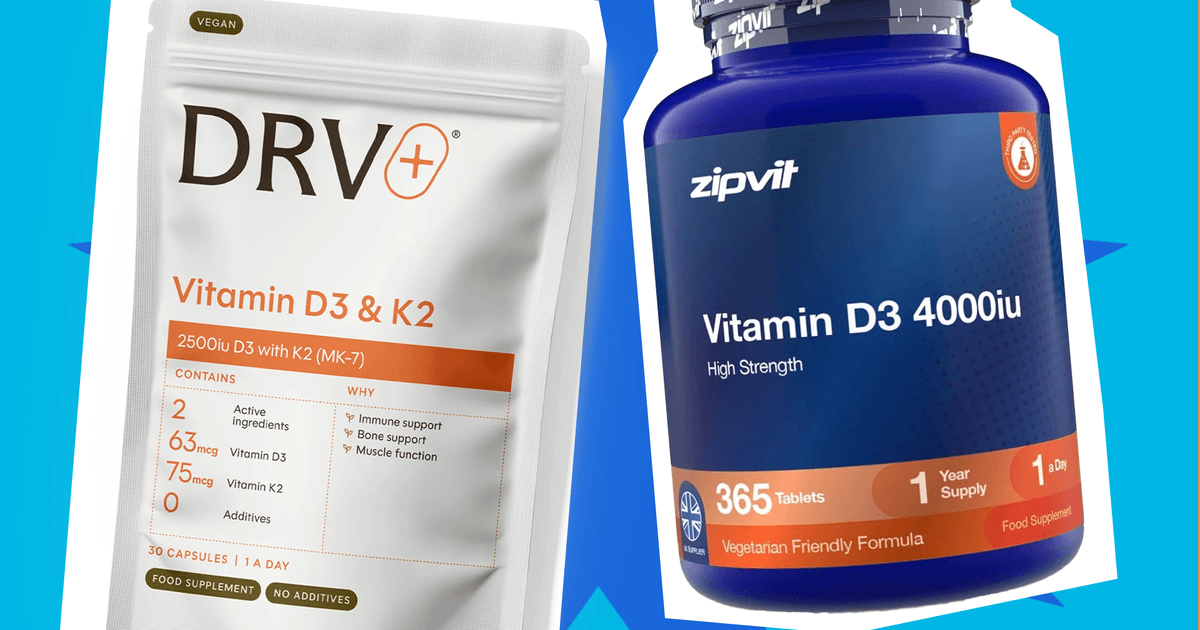
- Dose: Match the dose to public health guidance. A standard dose is recommended for winter use.
- Form: D3 is preferred over D2 for effectiveness.
- Ingredients: Avoid products with fillers or artificial ingredients.
- Price: Value comes from balance between cost and quality.
Some people report mild side effects like stomach upset or increased appetite. These are rare and usually resolve on their own.
Limitations and Uncertainties
The review does not assess long-term health outcomes. It focuses on product quality and user experience, not clinical benefits.
There is no official UK government standard for supplement quality beyond basic lab testing. Consumers are advised to check for third-party certifications like NSF or Informed Choice.
Not all supplements are suitable for everyone. People with medical conditions or on medication should consult a doctor before starting a new supplement.
While vitamin D is essential, it is not a panacea. It should be part of a broader healthy lifestyle, including balanced diet and physical activity.
What to Watch Next
Future research may explore how vitamin D levels affect immune responses during seasonal changes. Public health bodies may update guidance based on new evidence.
For those interested in other supplements, the best creatine supplements 2026 offer a similar in-depth look at performance and wellness products.
Sources & further reading
Featured image: Best vitamin D supplement. Via original publisher. Image source