The whole of Scotland is now a restricted zone for bluetongue. This extension, announced by the Scottish government, removes previous movement barriers between high and low-risk areas. The decision follows a significant rise in reported cases since August, with more than 100 infected animals confirmed across 41 locations, including four outside the original restriction zone. The extension of the restriction zone to cover all of Scotland marks a pivotal shift in how livestock movement is managed, reflecting both the current epidemiological trajectory and the practical needs of the farming community.
What Happened
Bluetongue, a viral disease primarily affecting ruminants such as sheep and cattle, was first detected in south-west Scotland in August. Initial cases emerged in rural areas near the English border, where midge populations are typically dense. Since then, the disease has spread to multiple regions, with confirmed infections appearing in both highland and lowland areas. The movement of infected animals has been closely monitored, and all cases have been reported to the Scottish Agricultural Health and Safety Authority (SAHSA).
The Scottish government has now extended the restriction zone to include the whole of Scotland. This means that Scotland, England, and Wales are now all under the same disease status—classified as high-risk—eliminating the need for individual licences to move livestock between regions. This unified status is based on current scientific assessments of transmission risk, which have shown a marked decline as the midge season ends.
Key Facts from the Source
- The restriction zone now includes all of Scotland, England, and Wales.
- Bluetongue is spread by insects such as midges and does not affect humans or food safety.
- Infected animals must remain on-farm for at least 60 days. Most healthy animals can be traded freely.
- There is no human health risk from the virus, though it can cause fever, lameness, birth defects, and death in animals.
- Early conversations about next year’s vaccination programme are being urged by the agriculture minister.
How the Restriction Zone Works
Bluetongue is transmitted primarily by biting midges (Culicoides spp.), which act as vectors for the virus. These insects are most active during the warmer months, particularly between April and October. When midges bite an infected animal, they can carry the virus to a new host, where it can replicate and cause illness. The disease is not airborne, nor is it transmitted through food, water, or contact with animal products—making it a vector-dependent disease.
Scientific evidence suggests that the virus likely entered Scotland via midges blown across the English border. These insects can travel long distances during wind events, especially during periods of high humidity and temperature. Once established in a region, the virus can persist in animal populations for several months, particularly in areas with poor ventilation or high livestock density.
As the midge season draws to a close, the risk of new transmission is expected to decrease significantly. This has allowed officials to extend the restriction zone without increasing the likelihood of further outbreaks. The decision is not based on a sudden spike in cases, but rather on a calculated assessment of the current environmental and epidemiological conditions.
Previously, movement of livestock between areas with different risk classifications required special licences and detailed health declarations. This process was time-consuming, costly, and often created bottlenecks during peak trading periods such as October. The extension of the restriction zone simplifies this process by aligning all regions under a single risk classification, thereby streamlining trade operations.
Why It Matters to Farmers
October is a critical period for Scottish farmers, as it marks the traditional time when ‘store’ cattle and lambs are sold to other farms for fattening and eventual market sale. These animals are often raised over several years and are sold at a premium based on breed, age, and health. The ability to move such stock freely without administrative hurdles is a major benefit to the sector.
Before the extension, farmers in high-risk areas faced significant challenges in selling their stock to those in low-risk zones. The need for individual licences and the requirement for veterinary inspections added layers of complexity and cost. With the new restriction zone, these barriers are lifted, allowing for greater market access and improved financial outcomes for farmers.
According to Agriculture Minister Jim Fairlie, the extension is a ‘sensible step’ that reflects both the current disease risk profile and the practical realities of the livestock trade. He emphasized that while it may seem counterintuitive—extending a restriction zone to make movement easier—it is actually a positive development for the sector. ‘It’s a bit counterintuitive but extending restrictions is actually a positive thing because it means we’ve got the ability to move stock freely anywhere in the country now,’ he stated.
Vaccination and Disease Prevention
While the restriction zone simplifies trade, it does not eliminate the need for disease prevention. Vaccination remains the most effective method to protect livestock from severe symptoms and death caused by bluetongue. The virus can lead to fever, swelling of the head and limbs, lameness, difficulty eating, and in severe cases, birth defects or mortality in both sheep and cattle.
Despite the current extension, farmers are still required to report any signs of illness in their animals immediately. This includes symptoms such as fever, loss of appetite, lethargy, or abnormal swelling. Infected animals must remain on-farm for a minimum of 60 days to allow for full recovery monitoring and to prevent further spread.
There were reports of difficulty accessing the vaccine this year due to a sudden surge in demand as cases were reported in England. This highlights a broader issue in the agricultural supply chain: the need for better forecasting and planning. Fairlie urged farmers to begin early conversations with their veterinarians about next year’s vaccination programme. Such planning may help manufacturers anticipate demand and ensure adequate supply.
Limitations and Challenges
While the extension simplifies trading, it does not eliminate all risks. The disease remains a serious threat to animal health, and outbreaks can still occur, particularly in areas with high midge activity or poor biosecurity practices. Farmers must remain vigilant and continue to monitor their herds closely.
Moreover, the restriction zone is not a permanent solution. It is based on seasonal conditions and will likely be reviewed as the year progresses. Any future changes to the zone will depend on ongoing monitoring, midge activity reports, and new case data. The Scottish government has not yet announced a timeline for lifting the restriction, and any reversal would require a comprehensive reassessment of the disease’s spread.
Another challenge lies in the potential for misinformation or underreporting. Some farmers may not recognize early symptoms of bluetongue, leading to delayed reporting and increased risk of transmission. Public education campaigns and clearer symptom guides are essential to ensure early detection and response.
What to Watch Next
Officials will continue to monitor midge activity and disease spread throughout the autumn and winter months. The situation may shift as weather patterns change, and new cases could prompt a reassessment of the restriction zone.
Farmer groups are expected to begin discussions about next year’s vaccination schedules. These conversations may influence supply chains, animal health planning, and the overall resilience of the livestock sector.
The Scottish government has not yet announced a timeline for lifting the restriction zone. Any future changes will depend on ongoing monitoring and scientific assessments. For more on bluetongue and livestock health, see the original BBC report here.
Bluetongue remains a significant concern for the livestock sector. While the current extension supports trade and economic stability, it also underscores the need for ongoing vigilance, improved biosecurity, and proactive disease management strategies.
Sources & further reading
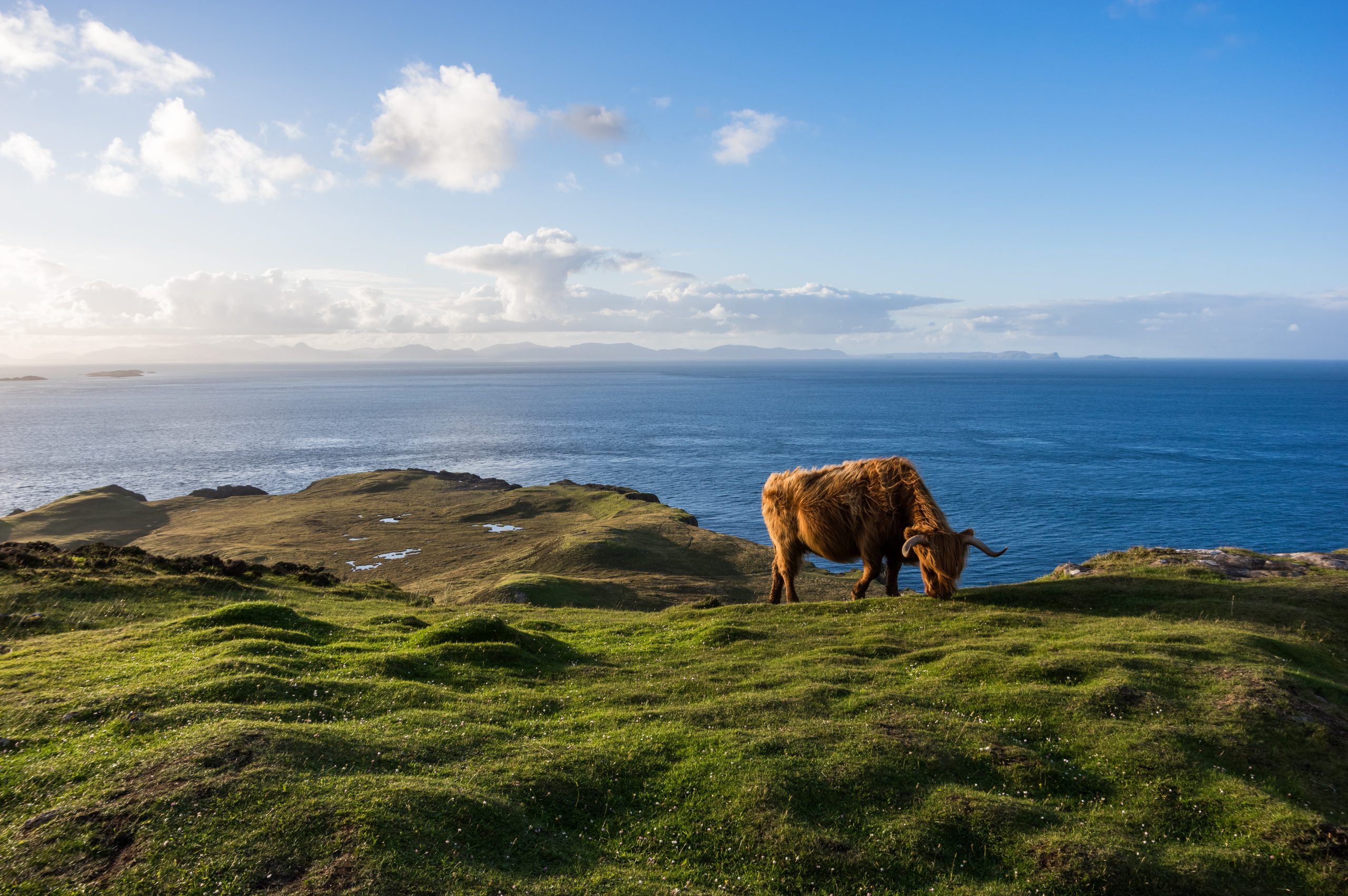
Featured image: Highland cattle in its natural environment.jpg by Raphael Hofmann, CC BY-SA 4.0, via Wikimedia Commons. Image source · License