U.S. Senator Richard Blumenthal has added a new probe into Tether payments to a firm co-founded by Bo Hines, a former White House crypto adviser. This move expands his ongoing scrutiny of financial ties between crypto firms and government officials. Source: coindesk.com.
What Happened
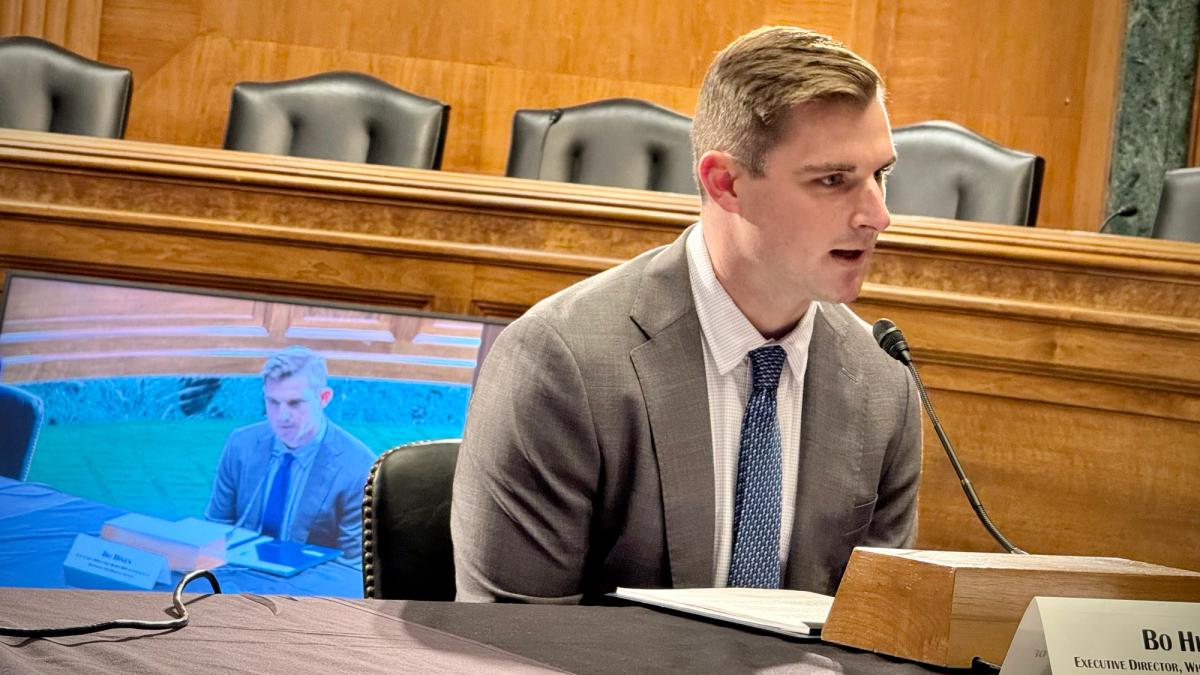
Blumenthal, the ranking Democrat on the Senate Permanent Subcommittee on Investigations, sent formal letters to Tether and Nxum Group. The firm was co-founded by Hines and his father, with another partner.
The letters ask for details about financial arrangements between Tether and Nxum, especially during the Trump administration when Hines advised on crypto policy.
Blumenthal calls the relationship ‘highly unusual.’ He says it raises serious ethical and legal concerns. He argues Tether likely knew the impropriety of paying a White House official with direct influence over stablecoin regulation.
Key Facts
- Bo Hines advised President Trump on crypto policy, including stablecoins and regulatory design.
- After leaving the White House, Hines became Tether’s top U.S. executive.
- The Wall Street Journal reported Nxum received large payments for consulting work during Trump’s administration.
- Blumenthal demands details on the scale, structure, and form of these payments — whether formal or informal.
- Tether says an internal investigation found no wrongdoing or violations.
Background: Who Is Bo Hines?
Hines played a key role in shaping U.S. crypto policy during the Trump administration. He advised on stablecoin regulations and their impact on financial stability.
His firm, Nxum, recently hired Harry Jung. Jung was a former White House crypto adviser and had led the Trump administration’s crypto office before leaving.
Hines has no formal finance or legal background. His access to policy discussions, combined with his role at Tether, raises questions about conflicts of interest and political influence in corporate decisions.
Why It Matters
Blumenthal’s probe highlights growing scrutiny of government-crypto connections. As stablecoins grow in global use, accountability of firms shaping these systems becomes vital.
Such cases could set a precedent for how regulators assess transparency, conflicts of interest, and financial ties between officials and private firms.
If wrongdoing is found, new rules or oversight mechanisms could emerge for U.S. crypto operations.
Responses and Reactions
Tether CEO Paolo Ardoino criticized the probe. He said Blumenthal shared the report with the press before giving Tether a chance to respond. He claims the senator ignored key facts and failed to review the company’s practices fairly.
Blumenthal insists the situation needs full investigation. He says crypto policy must meet the same standards of transparency as any public activity.
Limitations and Open Questions
The exact amounts of payments are not confirmed. The Wall Street Journal’s claims have not been independently verified.
It’s unclear if the payments were formal contracts or informal arrangements. There’s no public record of whether Tether’s internal investigation followed standard regulatory procedures.
What to Watch Next
Senate investigators may soon request public records on Tether’s dealings with Nxum and Hines. These could include contracts, invoices, emails, and meeting notes.
If Democrats regain control of the Senate, Blumenthal could return to chair of the investigations subcommittee. That would give him greater power to subpoena documents and hold hearings.
Public interest in crypto policy is rising. As stablecoins become more central to global finance, clear, transparent governance will become essential.
Sources & further reading
Featured image: original publisher image. Via original publisher. Image source