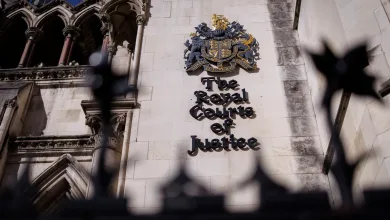
A British university professor has died in a high-speed rail crash in Spain. The crash happened on Wednesday morning on the Madrid–Seville route, between Los Yébenes and Urda. Source: metro.co.uk.
What Happened
Two high-speed trains collided on the Madrid–Seville line. One was a Renfe train. The other was an Iryo service.
The front carriage of the Renfe train hit the rear of the Iryo service.
At least 69 people died. The death toll may rise as medical teams assess survivors in Madrid hospitals.
Key Facts
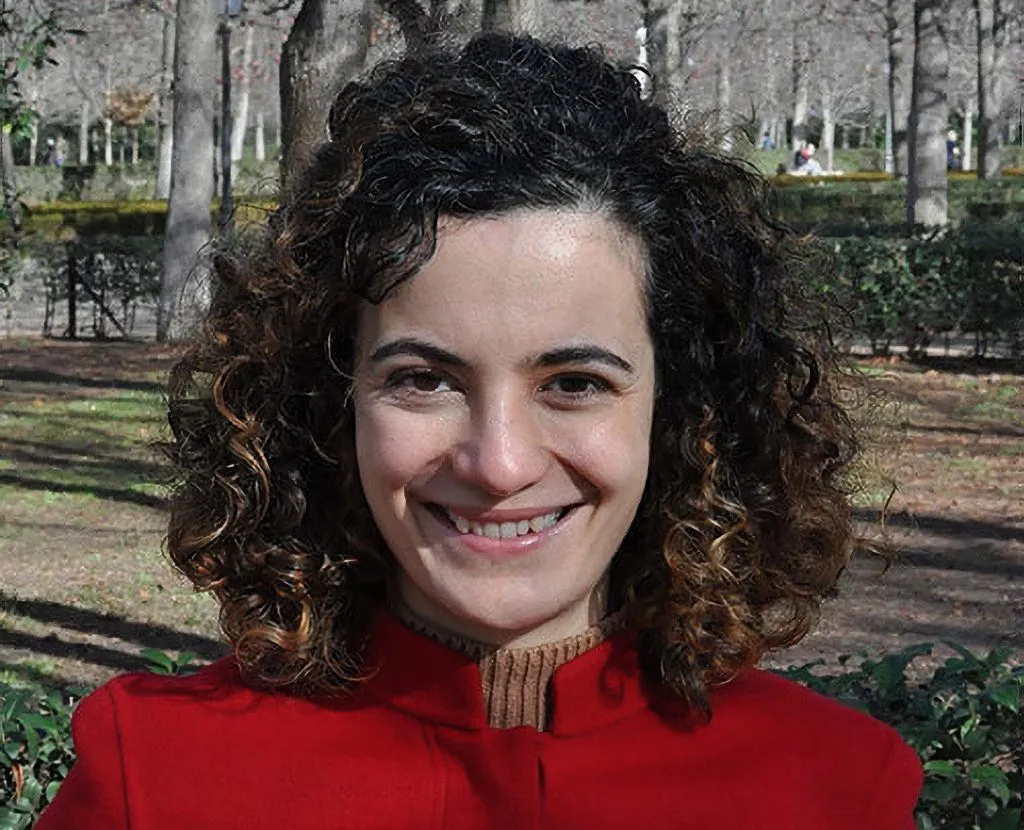
- Dr Marta Shahbazi, 41, was one of the victims. She was a professor at the University of Cambridge.
- She led research at the MRC Laboratory of Molecular Biology. She was also an Affiliate Associate Professor at the Cambridge Stem Cell Institute.
- She was born in Spain and lived in Cambridge with her two children, aged three and seven.
- She was on the train to receive a research award when the crash occurred.
- She was in the front carriage of the Renfe train at the time of impact.
Response from the Research Community
A Spanish molecular medicine institute confirmed Dr Shahbazi’s death on social media.
CiMUS posted this message yesterday evening:
"The CiMUS community would like to express its support and deepest sympathies to our dear PI María José Alonso, following the death of her niece, Marta Shahbazi, in the railway accident that occurred on 28 October."
"Marta was a brilliant young researcher… At this difficult time, we extend our heartfelt condolences to María José and her family, as well as to Marta Shahbazi’s colleagues and collaborators."
The message showed solidarity with her family and professional peers. It ended with a wish for strength and comfort during their grief.
Background on the Incident
The crash occurred on a route with a history of rail accidents. Nine months earlier, a similar collision on the same line killed 46 people.
Spain’s rail operator, Adif, confirmed the incident on Wednesday. It has sparked calls for a full safety review of high-speed rail operations.
Why It Matters
Dr Shahbazi’s death shows the personal cost of industrial accidents. As a researcher and mother of two, she represented both a scientific career and a family deeply affected.
Her work in molecular medicine and stem cell research may have advanced science. Her loss reminds us of the human cost behind scientific progress.
What to Watch Next
Spanish authorities will release a full investigation report soon. It will examine train operations, track conditions, and communication between services.
Academic and public groups may call for stronger safety rules. The event has already sparked widespread mourning in Spain and the UK.
For updates, visit the Spain news section or the Cambridge University coverage on metro.co.uk.
For more on rail safety in Europe, see the Madrid rail updates.
Sources & further reading
Featured image: original publisher image. Via original publisher. Image source