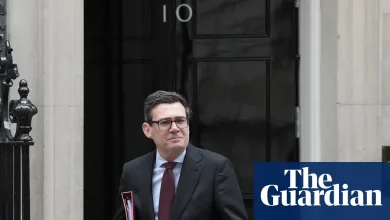
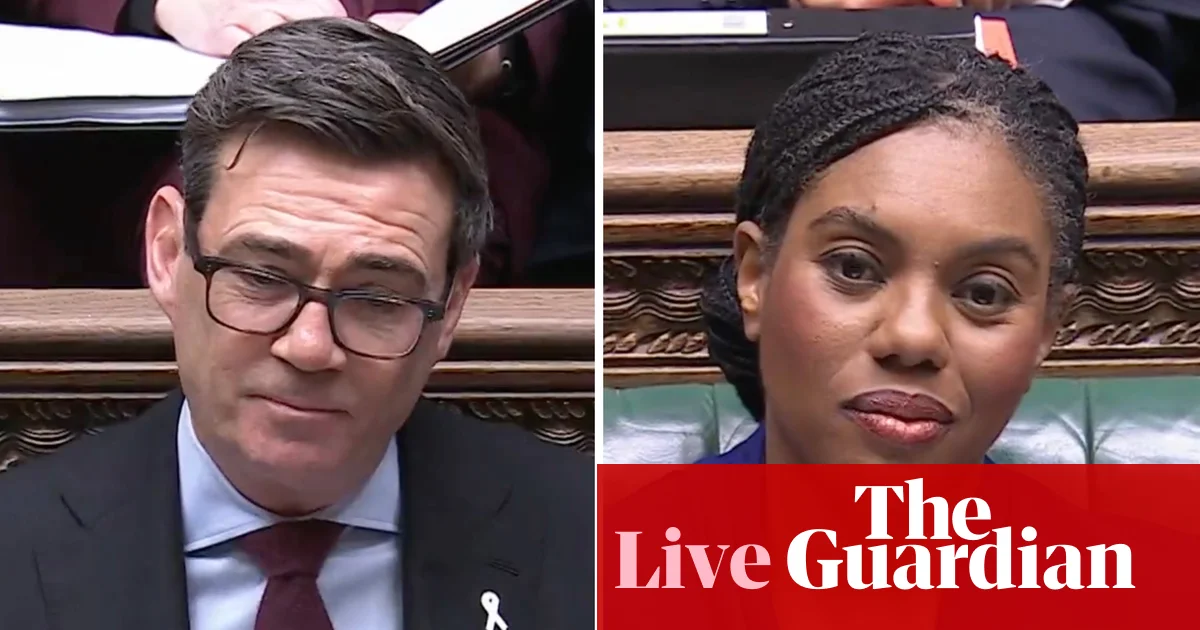
At a recent Prime Minister’s Questions session, Labour leader Andy Burnham faced criticism from Conservative MP Kemi Badenoch over a video posted by TikTok user Max Balegde. Source: theguardian.com.
What Happened at PMQs
Balegde lip-synced to a song with lyrics including ‘bomboclaat pussywagon chicken nuggets’ outside No 10 during a reception for online influencers.
The video, which was later deleted, sparked backlash for using Jamaican slang and explicit language. ‘Bomboclaat’ refers to a menstrual cloth, while ‘pussy’ is slang for female genitalia.
Badenoch condemned the content, saying it contained ‘disgusting and pejorative comments’ about women’s private parts. She called the remarks ‘obscene’ and accused the prime minister of allowing a ‘vile video’ to be recorded on the steps of No 10.
Burnham’s Response
Burnham acknowledged the video was inappropriate and had been taken down. He said the creator had rightly apologised.
He refused to apologise for hosting influencers, stating that young people often turn to social media for information. ‘I won’t apologise for engaging with people that young people themselves are looking to for their information,’ he said.
He also quipped that Conservative politicians are ‘the opposite of influencers’, highlighting a contrast in public engagement styles.
Background: The Role of Influencers in Politics
Online influencers have become a growing presence in political discourse. Many young voters rely on social media for news and opinions.
Events like the reception at No 10 reflect a broader trend of political figures engaging directly with digital communities.
Such interactions are not new, but the visibility of these moments—especially during formal events—has increased.
Why It Matters
The incident highlights a growing divide between traditional political norms and digital communication.
It raises questions about how political leaders balance public image with outreach to younger audiences.
It also reflects deeper tensions over values, with critics arguing that such language undermines dignity and inclusivity.
Limitations and Open Questions
There is no official record of how many people viewed the video or how it was shared.
It remains unclear whether the content was intended as satire or was a serious breach of conduct.
While Burnham defended the engagement, he did not address whether such interactions should be more strictly regulated.
Further research is needed to understand how public perception of such events evolves.
For more on how social media has reshaped political engagement, see How Social Media Changed U.S.
Recent research from King’s College London and YouGov shows that public understanding of migration varies significantly by political affiliation. Among Reform UK supporters, 57% believe net migration rose significantly in 2025, compared to 11% of Labour supporters and 8% of Green supporters.
These findings suggest that misinformation about immigration is not just a matter of facts—it reflects deeper values and identity differences.
Correcting misperceptions alone may not reduce political opposition to immigration policies.
For the full report, visit King’s College Policy Institute.
Sources & further reading
Featured image: original publisher image. Via original publisher. Image source