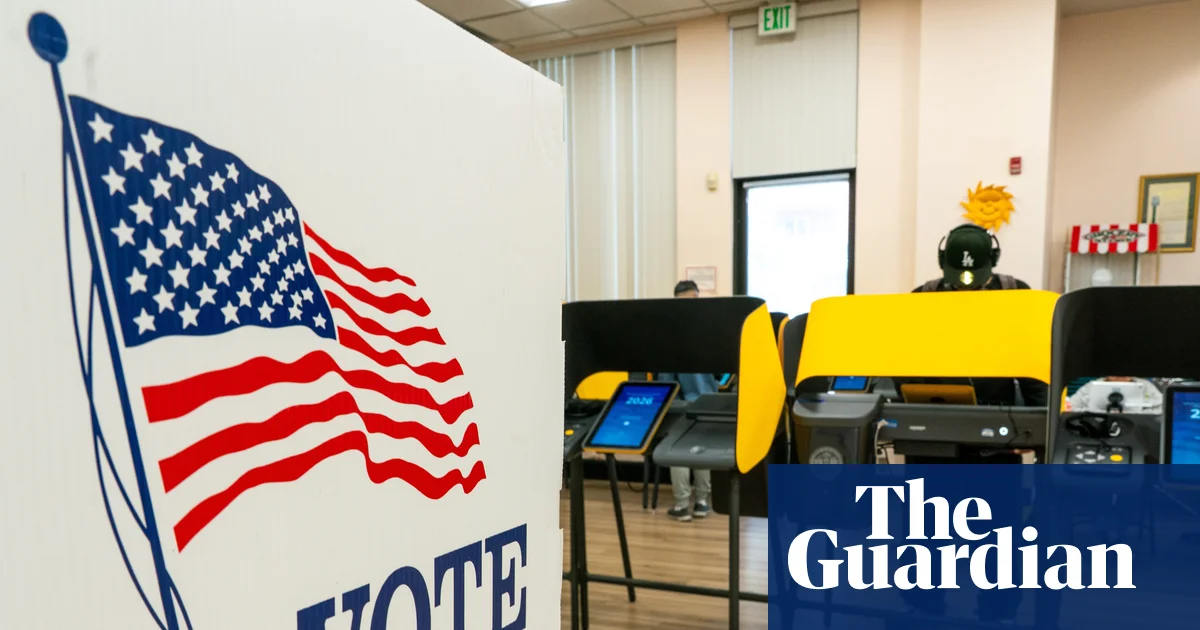
The U.S. Department of Justice’s list of suspected non-citizens in California includes a high percentage of people born in the United States, according to Los Angeles election officials. Source: theguardian.com.
What Happened
Last week, the Department of Justice sent a list of 20,000 names to Los Angeles County and the California Secretary of State.
The list aimed to identify individuals who may not be U.S. citizens and who, under federal law, might be ineligible to vote.
Los Angeles officials were given 48 hours to separate ballots from people on the list—unless those individuals could prove their citizenship.
The county refused to act, citing concerns about the list’s accuracy and the risk of wrongly disqualifying voters.
On Thursday, the Department of Justice sued the county, claiming it ignored federal directives. A DOJ official said: ‘Federal law does not permit this willful blindness. We notified California that noncitizens are likely registered to vote, and we asked the state to independently verify the citizenship of any ballots cast by people on a list that we provided. It refused to do so.’
Key Facts from the List
- Of the 20,000 names, only about 7,000 had addresses in Los Angeles County.
- A sample of 200 people on the list showed 38.9% were born in the United States.
- 86 people on the list had been mailed a ballot this year.
Birthplace and Citizenship
In a court filing, Aman Bhullar of the Los Angeles Clerk and Recorder’s office said 38.9% of the list reported being born in the U.S.
He noted that under the 14th Amendment, most people born in the U.S. are citizens by birth.
Justice Department spokesperson Kiersten Pels said: ‘Just because someone lists a U.S. birthplace doesn’t mean they are a citizen.’
She added: ‘California cannot facilitate a violation of federal law. We notified California that noncitizens are likely registered to vote, and we asked the state to verify citizenship. It refused. Federal law does not permit this willful blindness.’
Background: How the List Was Created
The list was compiled by the Department of Homeland Security (DHS).
DHS has not shared how it matches voter records to its own databases. Experts warn the process may be error-prone due to mismatched data formats and limited overlap.
In July, DHS claimed 16,000 non-citizen voters were on Nevada’s rolls. It sent a list of 185 names to Nevada officials.
Nevada found all 185 were actually U.S. citizens. This has raised doubts about the list’s reliability.
Why It Matters
The list raises serious questions about its validity and transparency.

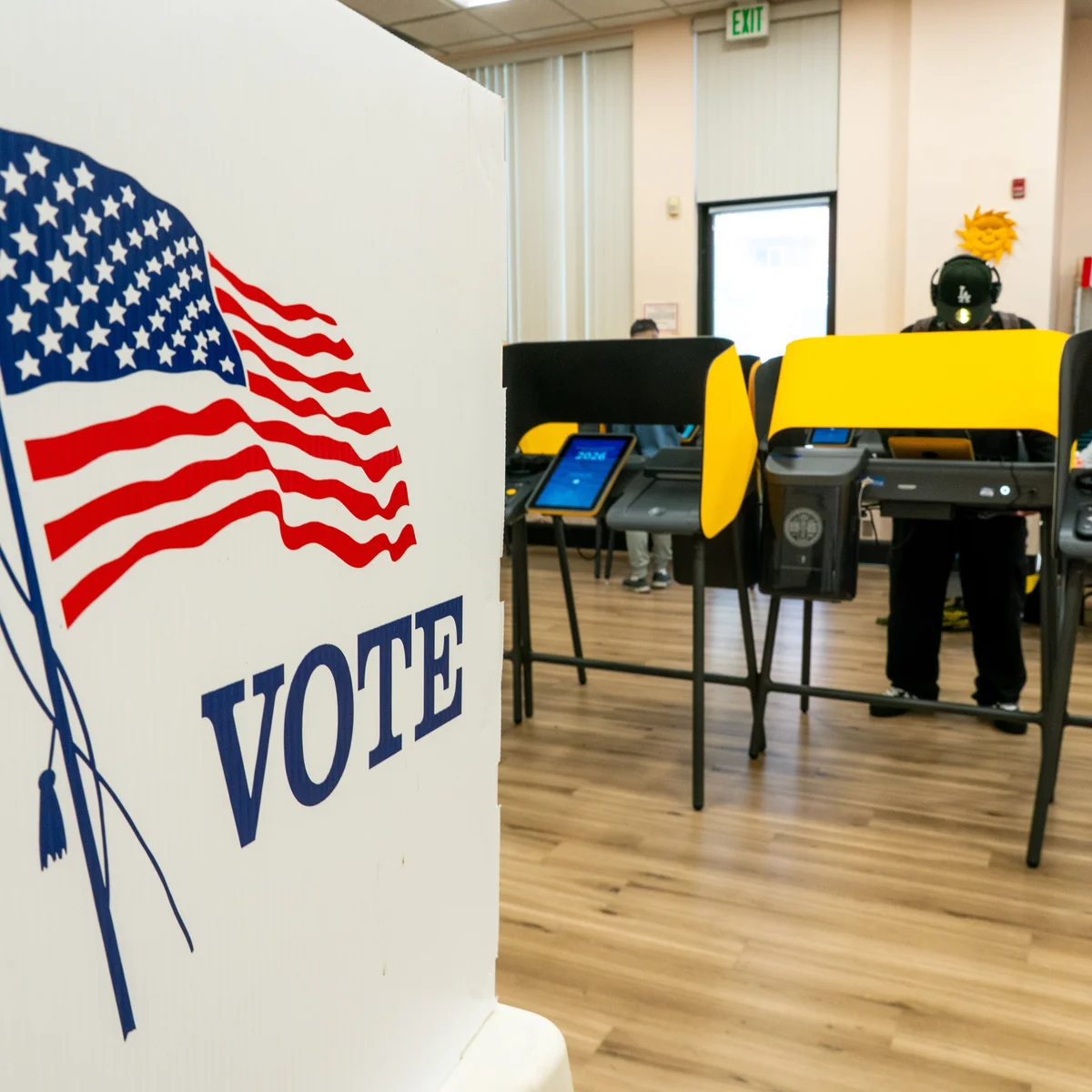
If many people on the list were born in the U.S., they may be legally eligible to vote.
There is no public record of how the list was built, tested, or validated. This lack of transparency makes it hard to trust.
California officials say such lists cannot be trusted without clear methodology and independent checks.
Limitations and Open Questions
It is unclear how many of the 20,000 names actually live in Los Angeles County. A county spokesperson did not respond to a request for comment.
No public record exists of the list’s origin, validation, or testing process.
Experts warn that relying on such lists without verification could wrongly disqualify voters with strong U.S. ties.
Acting Deputy Attorney General R Trent McCotter admitted during a press conference that the list may include citizens. He said: ‘We’re not perfect, and that’s why we’ve asked California to cooperate with us.’
California officials have not responded to a request for comment on the sample or the list’s broader impact.
What to Watch Next
Legal actions are expected to continue as both sides evaluate the list’s validity.
Public attention is likely to grow as more details emerge about the list’s creation and accuracy.
Further reviews of DHS’s data-matching methods may follow, especially as concerns about errors and transparency remain.
For more on the legal and electoral implications, see the Justice Department’s lawsuit in Nevada.
For the full list of names and records, see the official document.
For broader coverage of U.S. voting and immigration issues, visit the Guardian’s California section.
Sources & further reading
Featured image: original publisher image. Via original publisher. Image source