Ofgem, the UK’s energy regulator, has released a provisional shortlist for a new long-duration energy storage scheme. The list includes 16 projects, most of which use lithium-ion batteries. These batteries are mostly made in China and run on Chinese software, raising concerns about foreign influence over national energy systems. Source: theguardian.com.
China-linked projects dominate shortlist
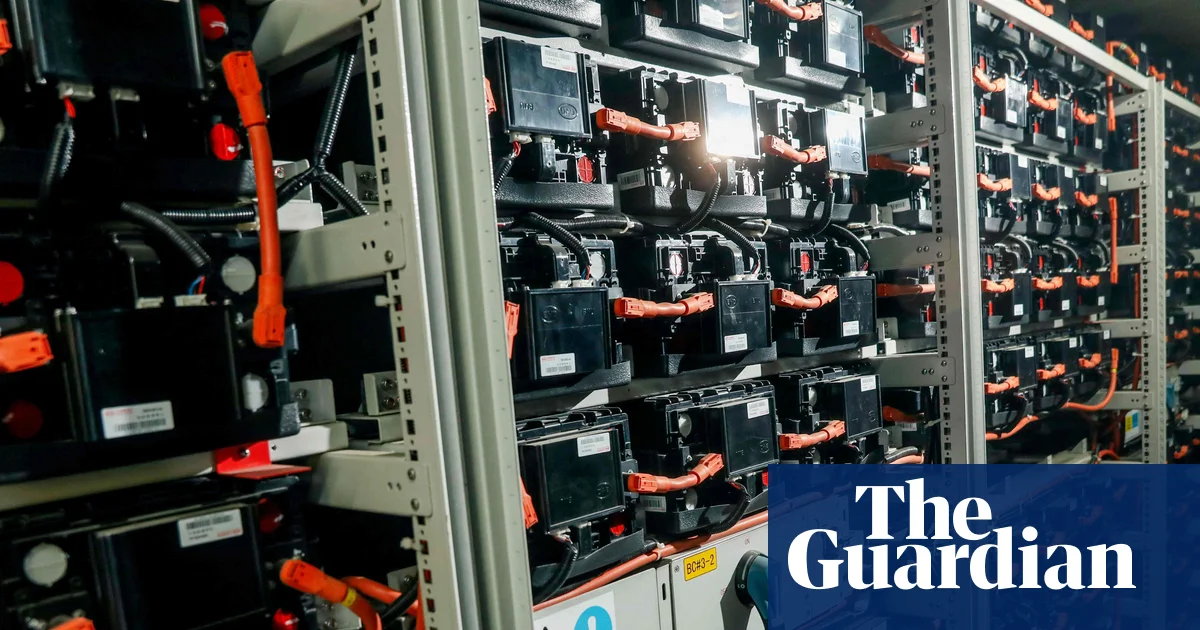
Eleven of the 16 projects rely on lithium-ion batteries. These are cheaper than UK-made alternatives like vanadium flow batteries. The cost advantage helped Chinese-made batteries win over domestic options in Ofgem’s evaluation, despite security risks tied to foreign ownership and software control.
Key projects with Chinese ties
- Field Energy runs five projects on the list. It sources batteries from Envision Energy, one of six companies linked to the Chinese Communist Party, according to US senators.
- Statera Energy leads three projects, including one pumped hydro and two lithium-ion systems. It previously used batteries from Envision and Sungrow. Sungrow, a major Chinese solar and battery maker, was targeted in a recent ethical hack that compromised hundreds of thousands of solar installations across Europe.
Both companies say they follow national security guidelines at their sites. But these claims don’t address long-term risks from foreign software or persistent cyber threats once systems go live.
Security concerns raised by industry experts
Senior energy figures say Ofgem’s criteria overemphasize cost over security. The regulator checks only if IT or cybersecurity measures could delay delivery by the early 2030s. It does not assess risks during the projects’ operational life, such as cyberattacks or data breaches.
Industry response to the shortlist
Invinity Energy Systems, a UK-based vanadium flow battery developer, may pause its plans to build domestic battery facilities. Only one of its projects made the shortlist. This shows British alternatives are being sidelined in favor of cheaper foreign options. The company says a local, secure supply chain is vital for energy independence and resilience.
Government position on energy security
A UK government spokesperson said: ‘The security of our energy system is our priority. We are taking action to build secure and resilient battery supply chains and reduce vulnerabilities, while investment in the UK’s energy sector is subject to the highest levels of national security scrutiny.’
This statement shows a commitment to security. But the current funding process does not require a formal review of foreign ownership, software control, or long-term cybersecurity. As a result, major risks linked to Chinese technologies remain unexamined.
How long-duration energy storage works
Long-duration energy storage holds renewable energy for hours or days. It helps balance the grid when solar or wind output drops. Projects must store energy for at least eight hours to qualify. This supports stable electricity supply during low-generation periods.
Why this matters
Cost matters in energy investment. But battery choice affects energy security and supply chain strength. Relying on Chinese-made batteries raises risks of foreign interference, supply chain breaks, and large-scale cyberattacks.
Limitations and open questions
Ofgem has not publicly assessed the cybersecurity of projects beyond early delivery timelines. Developers claim compliance with national security rules. But this doesn’t ensure protection against advanced, persistent threats. It’s unclear if future funding will include formal reviews of foreign ownership, software control, or data access rights.
Ofgem will confirm the final list in coming weeks. Decisions will follow public consultation. As projects move into construction and operation, ongoing monitoring and independent audits will likely be needed to protect the UK’s energy infrastructure.
Sources & further reading
Featured image: original publisher image. Via original publisher. Image source