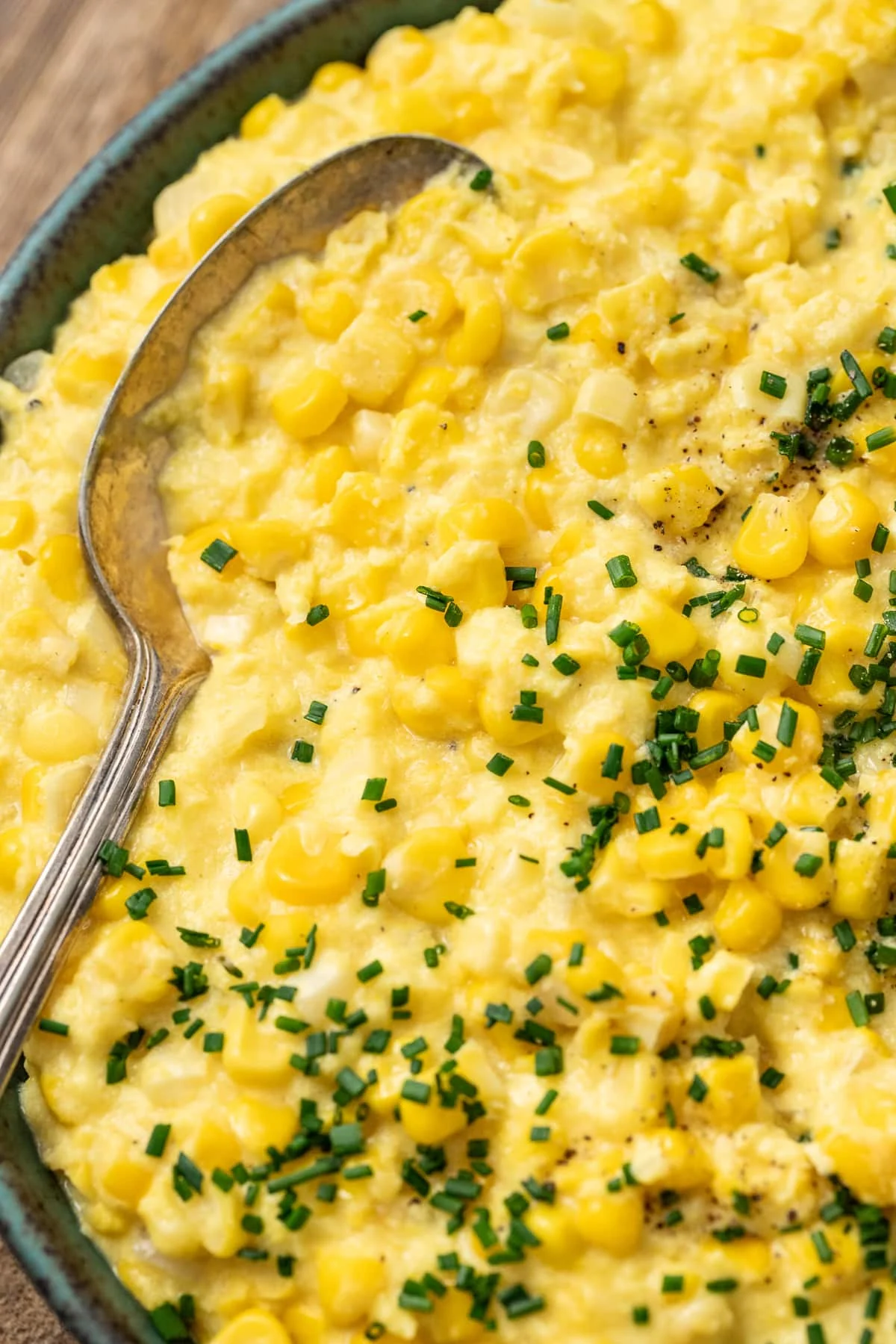
A new homemade creamed corn recipe offers a creamy side dish without using heavy cream or flour. It uses fresh or frozen sweet corn, milk, reduced-fat cream cheese, and a small amount of butter.
What the Recipe Offers
The recipe creates a creamy texture by blending some corn kernels with milk and reduced-fat cream cheese. This mixture is then stirred into the remaining whole corn kernels. This method allows the natural sweetness of the corn to shine through while still producing a rich, velvety sauce without relying on heavy cream or thickening agents like flour or cornstarch.
By using only 2% milk and reduced-fat cream cheese, the recipe significantly reduces saturated fat compared to traditional creamed corn recipes that use heavy cream. The absence of flour makes this dish naturally gluten-free, which is especially beneficial for individuals with celiac disease or gluten sensitivities. The use of real, whole ingredients ensures that the dish remains both nutritious and authentic, aligning with modern health-conscious cooking trends.
Key Ingredients and Their Roles
- Sweet yellow corn: Fresh or thawed frozen corn is used. Some kernels are blended for the sauce; the rest remain whole for texture. This balance ensures that each bite offers both the creaminess of the sauce and the satisfying crunch of whole kernels.
- 2% milk: Serves as the base for the sauce. It provides a mild, creamy consistency without adding excessive saturated fat. This choice supports heart-healthy diets by reducing overall fat content while maintaining a smooth texture.
- Reduced-fat cream cheese: Adds richness and a slight tang that balances the sweetness of the corn. The tanginess helps cut through the natural sweetness of the corn, preventing the dish from becoming overly sweet and enhancing overall flavor complexity.
- Unsalted butter: Used to cook the onion and garlic, adding flavor without extra salt. This allows for precise control over the dish’s seasoning, especially important when balancing flavors in a recipe that relies on natural ingredients.
- Yellow onion and garlic: Finely chopped, they soften during cooking and enhance the savory depth of the dish. The onion contributes a subtle sweetness that complements the corn, while garlic adds a warm, aromatic depth that elevates the overall profile.
- Black pepper: A small amount balances the natural sweetness of the corn. It adds a sharp, pungent note that contrasts the corn’s sweetness, creating a more dynamic flavor experience.
- Chives: Sprinkled on top for freshness and a bright color. They provide a fresh, herbal note that enhances the dish’s visual appeal and adds a subtle, aromatic finish.
How the Dish Is Prepared
- Blend 2 cups of corn with 1½ cups of 2% milk, 4 ounces of reduced-fat cream cheese, and 1½ teaspoons of kosher salt until smooth. Set this mixture aside. This step creates a smooth, creamy sauce that coats the remaining kernels evenly.
- Melt 2 tablespoons of unsalted butter in a large saucepan over medium heat. Add finely chopped onion and the remaining ½ teaspoon of salt. Cook for 4 to 5 minutes until tender. If the butter starts to brown before the onion is tender, reduce the heat slightly. This ensures the onion develops a soft, sweet flavor without burning.
- Stir in minced garlic and cook for about 1 minute until fragrant. Garlic releases its essential oils when heated, which infuse the dish with a warm, savory aroma that enhances the overall taste.
- Add the remaining 6 cups of corn (fresh or thawed frozen) and cook for 3 to 4 minutes, stirring occasionally, until hot. If using fresh corn, it takes slightly less time due to its higher moisture content. This step ensures the corn is heated through and begins to absorb the flavors of the sauce.
- Stir in the blended corn mixture and a few grinds of black pepper. Warm slowly over medium heat, stirring frequently, until it begins to bubble (6 to 8 minutes). Resist turning up the heat since this might cause the corn milk to scorch. This gentle warming prevents the sauce from breaking down or developing an unpleasant burnt taste.
- Continue simmering, stirring and scraping the sides of the pan, for 10 to 15 minutes. The sauce should reduce slightly and thicken to a creamy consistency. This slow simmer allows the flavors to meld and the sauce to develop a rich, cohesive texture without becoming too thick or lumpy.
- Transfer the mixture to a serving bowl and sprinkle with chopped chives before serving. The chives add both visual appeal and a fresh, aromatic finish that elevates the final presentation.
Practical Tips for Success
If using frozen corn, it must be thawed and drained to prevent excess liquid from diluting the sauce. This step is critical because frozen corn naturally contains more moisture than fresh corn, and un-drained liquid can lead to a watery, unbalanced texture.
Blending the corn until smooth ensures the sauce coats the whole kernels evenly. A smooth sauce allows for better flavor distribution and prevents the dish from having inconsistent texture throughout.
Keeping the heat gentle prevents scorching, especially when the milk mixture is added. High heat can cause the milk to curdle or the cream cheese to separate, resulting in an uneven, unappealing sauce.
Stirring along the sides of the pan helps prevent the sauce from sticking and promotes even thickening. The sauce thickens as it cooks, and without consistent stirring, it may pool at the edges or form a crust.
If the sauce is too thin, extend the simmer time. If it becomes too thick, stir in a splash of milk to adjust. This flexibility allows home cooks to tailor the consistency to their preference or the specific type of corn being used.

Recipe Variations
- Make it cheesy: Stir in 3/4 cup of shredded sharp cheddar cheese and bake in a 2-quart dish at 375°F for 20 minutes. Let rest for 10 minutes before serving, then add more chives if desired. This variation adds a rich, savory depth that works well with hearty main dishes like roasted chicken or pork tenderloin.
- Try fresh herbs: Replace chives with scallions or fresh thyme. Thyme brings a slightly floral, earthy note that complements the corn’s sweetness, while scallions offer a milder, more vibrant flavor with a crisp bite.
- Add smoky flavor: Sprinkle cooked, crumbled bacon over individual servings. This adds a savory, smoky depth that pairs well with grilled or barbecued proteins, making it a great addition to holiday meals.
- Use full-fat cream cheese: If reduced-fat cream cheese is unavailable, full-fat cream cheese can be substituted. While this will increase the fat content slightly, it maintains the richness and tanginess that the recipe relies on.
What to Serve with Creamed Corn
Creamed corn pairs well with roasted chicken, air fryer steak, pork tenderloin, or barbecue. It is a suitable side for Thanksgiving, especially when served with a dry-brined turkey and a green vegetable. The dish complements these proteins by offering a light, flavorful contrast without overpowering them.
Its versatility makes it a staple at family gatherings, where it can be adapted to different seasons and dietary needs. For instance, during summer, it can be served alongside grilled vegetables or a fresh salad, while in winter, it can be paired with hearty stews or roasted meats.
Make-Ahead and Storage Guidelines
The recipe can be prepared a day in advance. Store in an airtight container in the refrigerator. Reheat gently over low heat, stirring frequently. Add a splash of milk if needed to loosen the sauce. This makes it ideal for meal planning and holiday preparation, where time and convenience are key.
Leftovers can be stored in the refrigerator for up to four days. The dish remains stable in the fridge due to the low moisture content and balanced fat profile, though it may lose some of its initial freshness after storage.
Freezing is not recommended. The dairy-based sauce may separate when thawed, affecting texture and consistency. This is due to the delicate emulsion formed by the milk and cream cheese, which breaks down under freezing and thawing cycles.
Nutritional Information
Per 3/4 cup serving: 229.5 calories, 39 grams of carbohydrates, 8 grams of protein, 7.5 grams of fat, 4 grams of fiber, and 8 grams of sugar. This makes it a balanced option with moderate fat and carbohydrate content, suitable for those managing their calorie or sugar intake.
Why This Recipe Matters
It provides a healthier alternative to traditional creamed corn. By replacing heavy cream with milk and reduced-fat cream cheese, it reduces saturated fat without sacrificing creaminess. This aligns with current dietary guidelines that emphasize lower saturated fat intake for heart health.
The absence of flour makes it naturally gluten-free, which is important for those with dietary restrictions. This recipe is especially valuable in households where members have allergies or specific dietary needs.
Using fresh or frozen corn allows flexibility for different seasons and meal plans. It enables cooks to prepare a delicious side dish year-round, whether they have access to seasonal corn or need a quick, ready-to-use option.
Limitations and Considerations
While the recipe avoids heavy cream and flour, it still contains dairy and may not suit those with lactose intolerance. Individuals with dairy sensitivities should consider alternatives such as lactose-free milk or dairy-free cream cheese substitutes.
It is not a direct substitute for canned corn. Canned whole-kernel corn requires draining and no-salt-added varieties for seasoning control. Canned cream-style corn is not a direct substitute for the kernels used in this recipe due to differences in texture and flavor.
Freezing is discouraged due to potential separation of the dairy sauce. The sauce’s emulsion structure is fragile and can break down during freezing, leading to an inconsistent texture when reheated.
Additional Resources
For more corn-based recipes, explore Sweet Potato Quinoa Bowl Recipe on Chochilino.
Other corn dishes include Mexican Street Corn, Corn Salsa, and Creamy Corn Soup.
The original recipe is available at skinnytaste.com.
Recipes like this one support healthier eating habits by offering accessible, balanced, and customizable options for everyday meals and holidays. They reflect a growing trend in home cooking toward simplicity, ingredient transparency, and health-conscious choices that prioritize both flavor and nutrition.
Sources & further reading
Featured image: Creamed Corn. Via original publisher. Image source