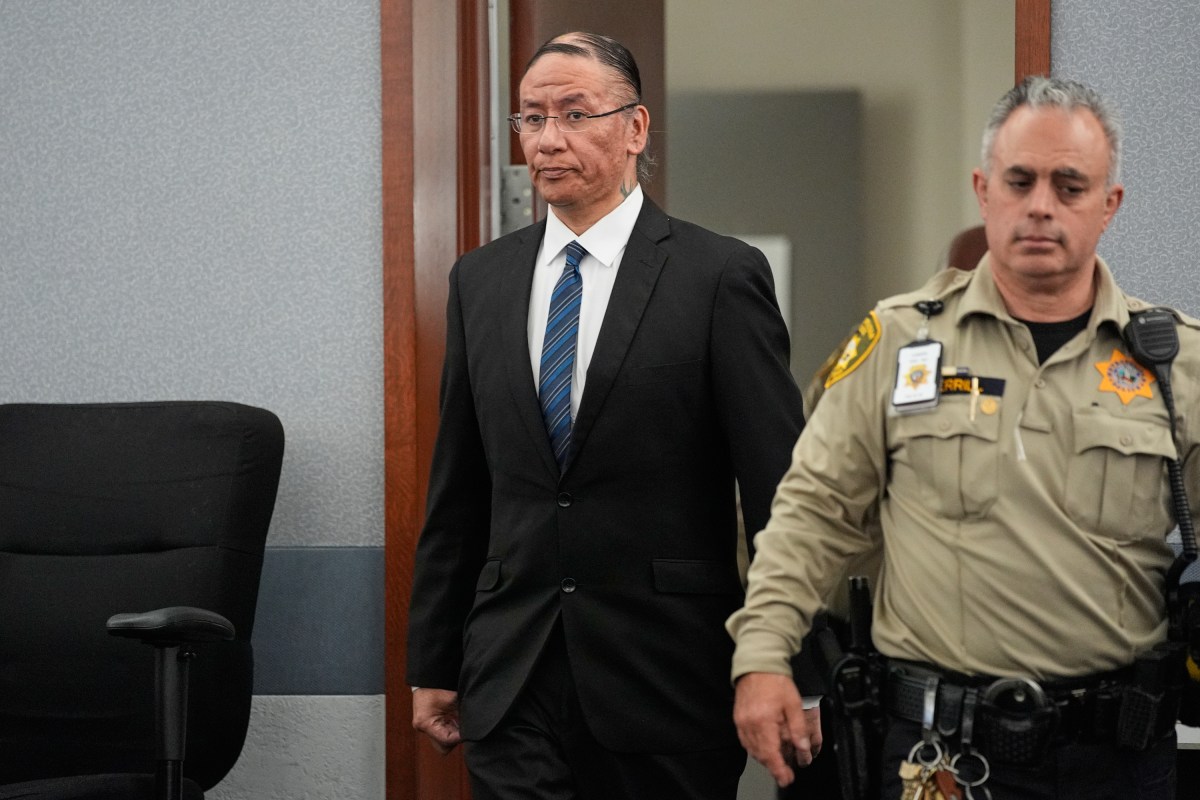
Nathan Chasing Horse, the former actor known for his role in Dances With Wolves, was sentenced to life in prison Monday for sexually assaulting Indigenous women and girls—closing a yearslong prosecution that has reverberated across Indian Country and tested the legal limits of how the United States holds spiritual leaders accountable for abuse.
A Nevada jury convicted him in January of 13 charges, mostly related to sexual assault, after testimony from three women, including one who was 14 when the assaults began.
Who Is Nathan Chasing Horse?
Chasing Horse was born on the Rosebud Reservation in South Dakota, home to the Sicangu Sioux, one of the seven tribes of the Lakota nation. He gained national recognition for his role as Smiles a Lot, a young Sioux tribe member, in Kevin Costner‘s Oscar-winning 1990 blockbuster film Dances With Wolves. Following his acting career, Chasing Horse traveled across Indian Country attending powwows and performing healing ceremonies, building a reputation as a Lakota medicine man.
His public profile also extended into federal government programs. A photo on the National Park Service (NPS) website shows Chasing Horse at an event at the Fort Union Trading Post National Historic Site, with the agency’s caption describing him as a “Native American actor” who “educates visitors on Lakota culture.” The photo does not list a date.
Newsweek has reached out to NPS and the U.S. Department of the Interior via email on Monday for comment.
Prosecutors said he used his spiritual platform to gain access to vulnerable women and girls. Deputy District Attorney Bianca Pucci told the jury during the January trial that Chasing Horse “spun a web of abuse” that ensnared many women over the course of nearly 20 years. He was first arrested and indicted in 2023, an arrest that prompted law enforcement in other U.S. states and Canada to follow up with additional criminal charges.

What the Trial Revealed
The Nevada jury heard from three women who said Chasing Horse sexually assaulted them. Multiple victims described how they had participated in his ceremonies or sought medical or spiritual help from him before the assaults began. Several testified that they continue to struggle with their faith as a result of his actions.
Corena Leone-LaCroix, who has come forward publicly, was 14 in 2012 when, according to prosecutors, Chasing Horse told her that the spirits required her to give up her virginity to save her mother—who had been diagnosed with cancer. He then sexually assaulted her and told her that if she revealed what had happened, her mother would die, prosecutors said. The sexual assaults continued for years. The Associated Press (AP) typically does not name alleged sexual assault victims unless they come forward publicly, as Leone-LaCroix has.
One victim said she still suffers complications after an ectopic pregnancy resulting from the abuse, which required surgery. “I am choosing to see this moment as a fresh start,” she said. “I will rebuild my life, reclaim my voice and continue fighting for the future I deserve.”
Mothers of the victims testified that Chasing Horse betrayed their trust and abused sacred traditions. “Even to this day I struggle to regain my faith and spirituality,” one victim’s mother said.
Chasing Horse denied the allegations. His attorney questioned the credibility of the main accuser, calling her a “scorned woman,” and filed a motion for a new trial—arguing that a witness was unqualified to testify about grooming and that the statute of limitations had expired. The motion was denied.
The Indictment Was First Dismissed by Nevada’s Supreme Court
The path to Monday’s sentencing was not straightforward. The Nevada Supreme Court initially dismissed the original 2023 indictment in 2024, ruling unanimously in a 5-1 opinion that Clark County prosecutors had committed two significant procedural errors during grand jury proceedings.
The court found prosecutors had improperly instructed the grand jury on the clinical concept of “grooming” without expert testimony to support it—turning what should have been a question of evidence into an instruction on the law. The court also found that prosecutors had failed to present exculpatory evidence to the grand jury, including a Bureau of Indian Affairs interview and a social media post from the main accuser that contained statements potentially relevant to consent.
“The combination of these two clear errors undermines our confidence in the grand jury proceedings and created intolerable damage to the independent function of the grand jury process,” Justice Douglas Herndon wrote for the majority. The court ordered the indictment dismissed without prejudice, meaning prosecutors were free to re-indict—and did so, leading to the trial that produced January’s conviction.
In a dissent, Justice Ron Parraguirre argued the majority’s decision risked flooding the court with similar petitions and that the alleged errors were not significant enough to nullify the grand jury’s probable cause determination.

Sentencing Day
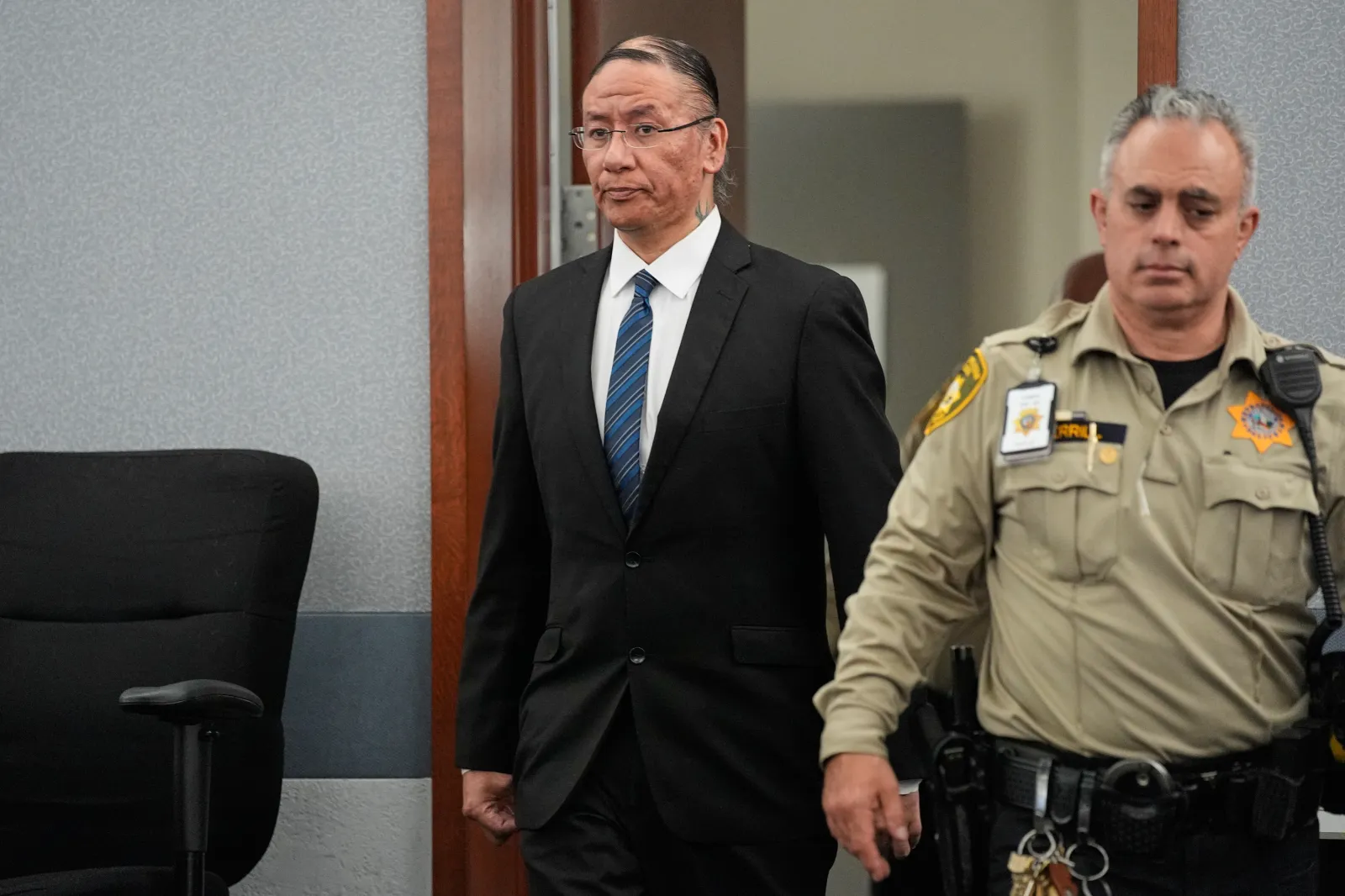
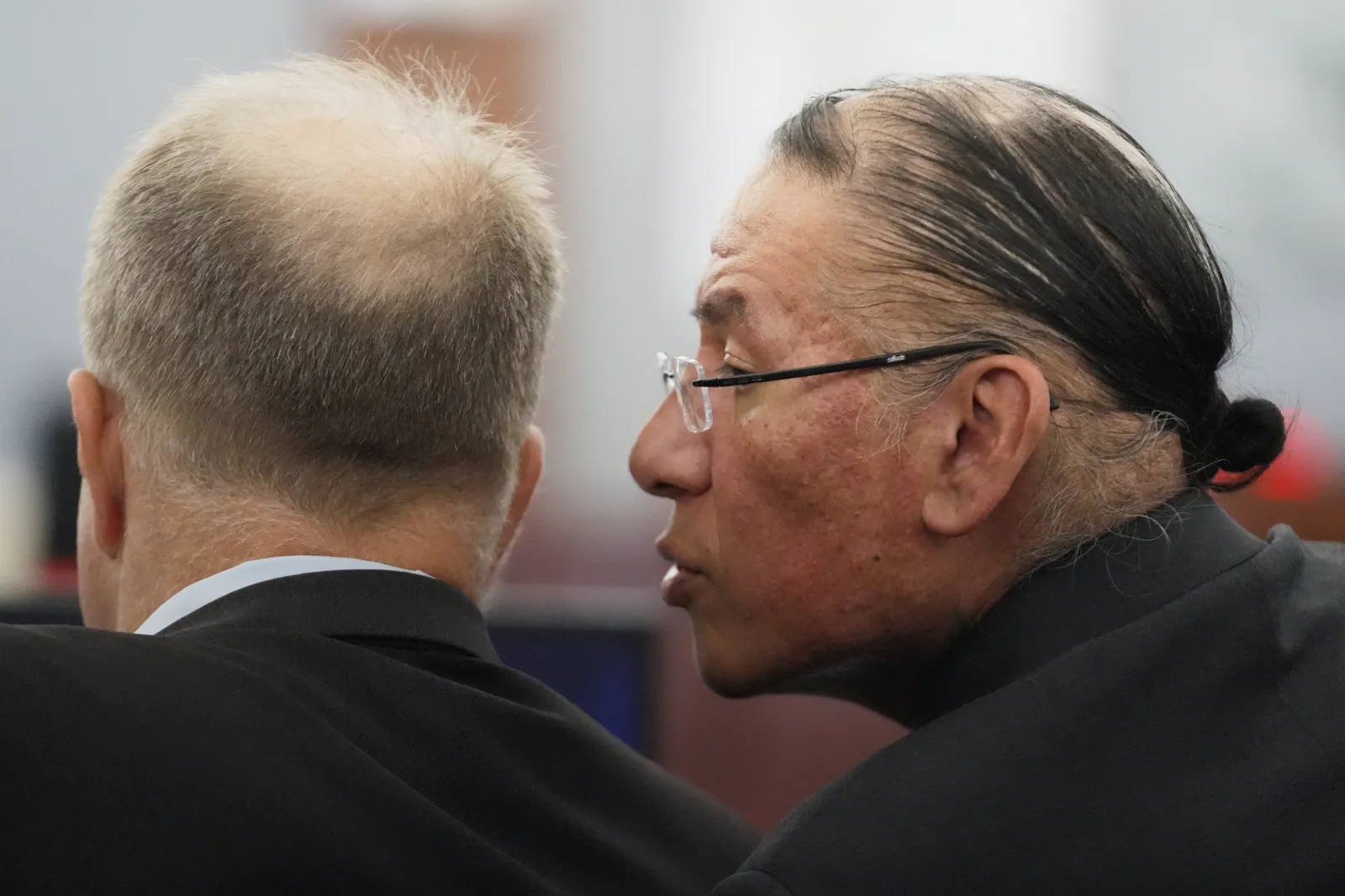
Chasing Horse, wearing his navy blue Clark County Detention Center uniform, stared straight ahead Monday as victims read their statements before Judge Jessica Peterson. He continued to deny the allegations.
“This is a miscarriage of justice,” he told the judge.
What Happens Next
Pending charges in Canada mean Chasing Horse’s legal exposure does not end with Monday’s sentencing. The British Columbia Prosecution Service charged him with sexual assault in February 2023 over an incident alleged to have occurred in September 2018 near Keremeos, a village about four hours east of Vancouver. The case was paused in November 2023 due to his U.S. charges but resumed the following year. After all his appeals are exhausted, British Columbia prosecutors will assess next steps, communications counsel Damienne Darby said in an email to AP.
A separate warrant against Chasing Horse remains outstanding in Alberta, where the Tsuut’ina Nation Police Service has said it is in contact with the Alberta Crown Prosecutors Office about the warrant. Whether and when those charges proceed will depend on the outcome of any appeals in the U.S. case.
Reporting from the Associated Press contributed to this article.