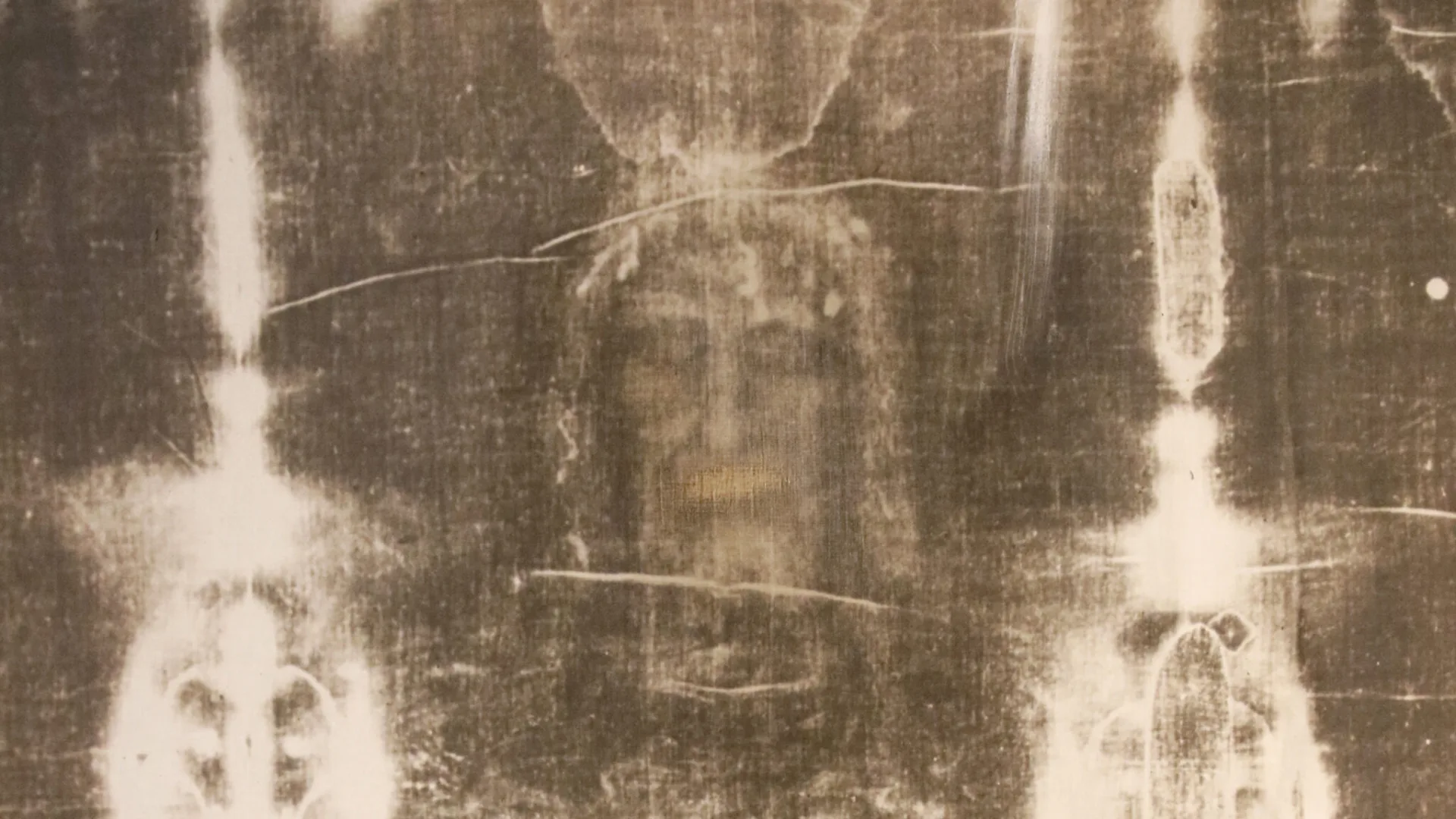
A new study has analyzed DNA from the Shroud of Turin using advanced forensic techniques. The results reveal a complex history of human and environmental interaction with the cloth over centuries.
What Happened in the Study
Researchers from the University of Lancashire conducted the most comprehensive DNA analysis of the Shroud to date. The study, published in Scientific Reports, used next-generation metagenomic sequencing without polymerase chain reaction (PCR).
This method avoids amplifying DNA fragments through PCR. Such amplification can introduce bias or distort the original genetic signal. By skipping PCR, the team reduced the risk of false positives or skewed results.
The analysis detected genetic material from many organisms. This broad approach—called metagenomic sequencing—looks for DNA from any source. It gives a fuller picture of the cloth’s biological history.
Key Findings
- Human DNA from Europe and the Middle East was found. These markers suggest diverse individuals have handled the cloth over time.
- Animal DNA from dogs, cats, pigs, horses, cattle, and chickens was identified. These animals were common in historical European homes. Their presence hints at domestic or religious storage.
- Traces of Mediterranean red coral were found. This material was used in jewelry and decorations. It suggests the cloth was kept in a display or reliquary setting.
- Fragments of wheat, maize, and peanuts were detected. Wheat is a Mediterranean staple. Maize and peanuts are American crops. Their presence points to trade routes from the Americas to Europe.
- Elements of carrots, bananas, oranges, peanuts, and potatoes were also found. These crops arrived in Europe through late medieval trade networks. Their presence suggests contamination began no earlier than the 15th century.
Maize and peanuts are American crops. Bananas and oranges reached Europe through trade routes that expanded in the late Middle Ages. The presence of these crops indicates contamination began at least in the 15th century—after Marco Polo and Columbus.
When Did the Contamination Occur?
The researchers conclude contamination began no earlier than the Late Middle Ages. This period saw growing global trade and movement of goods between continents.
The Shroud was damaged in a fire at Chambéry in 1534. This prompted a repair. The presence of post-15th-century crops supports that the cloth was handled during these centuries.
Radiocarbon dating of two threads from the reliquary shows dates between 1451–1622 CE and 1642–1800 CE. These dates match known repair periods. This strengthens the idea that the cloth has been restored multiple times.

How the Science Works
Metagenomic sequencing detects DNA from any organism. This is a major improvement over earlier studies that focused only on human or animal DNA. It reveals the full biological community on the fabric.
By avoiding PCR, the method reduces background noise and artificial signals. It reads millions of DNA fragments at once. This allows detection of trace genetic material that may have been present briefly.
These techniques have proven effective in uncovering biological traces from ancient objects. They show how modern science can extract data from preserved artifacts.
What It Means for the Shroud’s Authenticity
The study does not confirm or deny whether the cloth was once wrapped around Jesus. That remains an open question. Instead, it shows how centuries of handling and environmental exposure have left a biological record.
As forensic science improves, such methods can reveal more about historical objects. The findings suggest the Shroud is not just a religious relic. It is a physical object shaped by human activity over centuries.
Limitations and Open Questions
The study does not resolve the debate about the Shroud’s authenticity. It does not prove or disprove a link to Jesus. Some researchers remain skeptical. The presence of American crops does not confirm a specific historical origin.
Comparing the Shroud’s DNA with other ancient textiles could help clarify the findings. Future research might reveal patterns of use, storage, or regional trade.
Forensic scientist Noemi Procopio says the results are a major step forward. She notes the Shroud is now seen as a rich archive of biological data shaped by centuries of human interaction. The research has been published in Scientific Reports.
ScienceAlert fact-checked the article by Rebecca Dyer and edited it. If you spot a mistake, you can report it directly to the publication.
Sources & further reading
Featured image: The Shroud of Turin. Via original publisher. Image source