A growing number of health care providers in Canada are now prescribing visits to art galleries as part of a patient’s treatment plan. This initiative, launched in 2025, extends Canada’s established PaRx nature prescription program to include the Vancouver Art Gallery. The program represents a significant evolution in how health care professionals approach mental well-being, moving beyond traditional pharmaceutical interventions to include accessible, experiential forms of healing. Source: greatergood.berkeley.edu.
How the Program Works
When a doctor, nurse, or therapist determines that a patient might benefit from time in nature, they can issue a formal prescription. In this case, the prescription directs patients to the Vancouver Art Gallery. The gallery, in partnership with the BC Parks Foundation, offers free admission for the patient and a guest. This ensures that financial and transportation barriers—common obstacles for individuals with lower incomes or limited mobility—are effectively addressed.
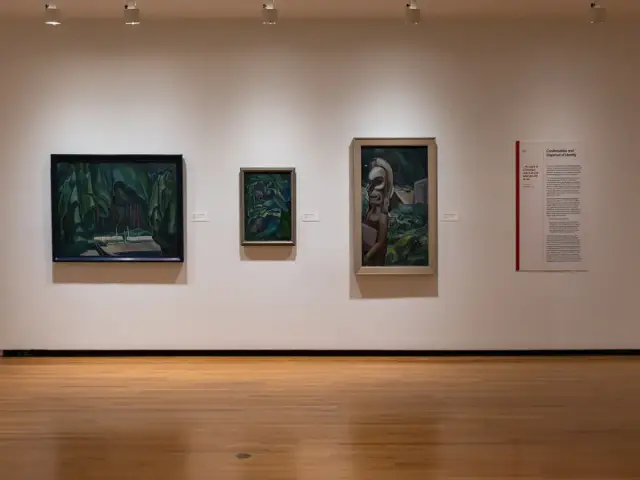
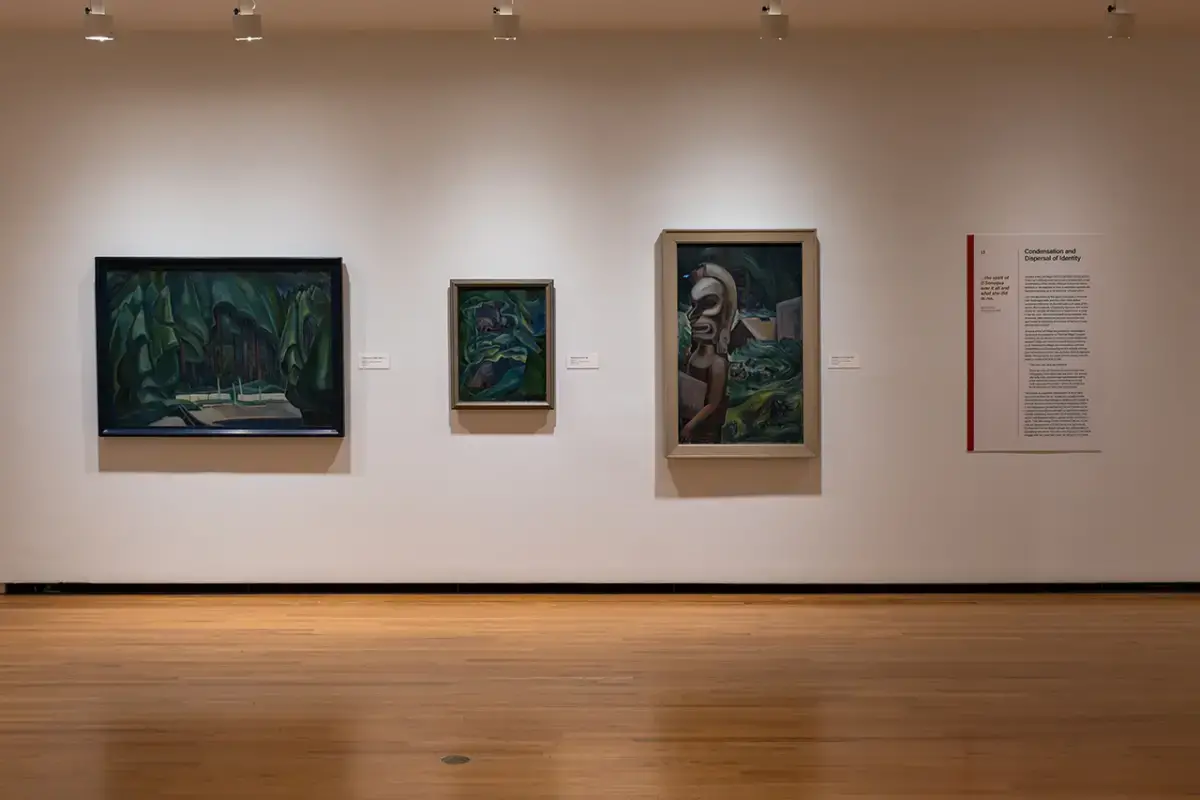
The prescription comes with a printed guide that includes prompts and reflective questions. For example, participants are encouraged to notice the varied shades of green in Emily Carr’s paintings, which depict the deep forests and moss-covered terrain of British Columbia. The guide also invites them to imagine a walk along a trail she painted, bridging the gap between the visual and the physical world. This intentional design fosters a deeper connection between art and nature.
Participants are guided through ‘slow looking’—a mindful practice that combines observation, imagination, and physical movement. The guide suggests gently swaying in place, as if the artwork is alive and responding to the body’s motion. This physical engagement with the art enhances sensory awareness and promotes a state of present-moment focus. Research in environmental psychology suggests that such embodied experiences can reduce mental fatigue and improve emotional regulation.
After the gallery visit, patients are invited to continue the experience at a local nature space—such as a park or forest trail. Free carshare minutes are provided to help overcome transportation challenges. The program allows participants to return to the gallery as often as they like, using their original prescription. This flexibility supports long-term engagement and reinforces the idea that well-being is not a one-time event but a continuous practice.
On-site, free workshops are offered on topics such as mindfulness, emotional expression, and creative reflection. A coloring book is also available, designed to encourage contemplative engagement at home. These tools extend the experience beyond the gallery walls, integrating art and nature into daily routines and personal rituals.
Why It Matters: The Science Behind the Experience
The program is part of a global movement known as social prescribing. It complements traditional medical care by offering non-medication interventions that support mental and physical well-being. These interventions include music classes, exercise sessions, gardening programs, and art-based activities. Unlike medication, which often targets symptoms, social prescribing focuses on building skills, fostering connections, and cultivating self-determination.
Studies have shown that exposure to nature and art can significantly reduce stress, anxiety, and feelings of social isolation. The human brain responds to natural environments with a decrease in cortisol—the hormone associated with stress—while art-based experiences activate regions linked to emotional processing and creativity. This combination creates a powerful synergy that supports both mental clarity and emotional resilience.
Being in a shared space—such as a gallery—allows people to connect with others. This shared experience fosters real-time reflection and post-visit conversations. For some, it helps them feel part of a community, even if they previously felt disconnected. The presence of others, even in a quiet setting, can create a sense of belonging that is often missing in modern, fast-paced societies.
Personal Stories of Healing
Carla Fry, a psychologist with over 20 years of clinical experience, has prescribed gallery visits to her clients. She says participants are often surprised by the simplicity of the intervention. ‘People in our culture are set up to think that growth has to be painful, difficult, expensive, and take a long time,’ Fry says. ‘When I present an opportunity to simply appreciate art or nature, the first reaction is surprise. It opens up a conversation about slowing down and living in the moment.’
She notes that no client has declined the prescription. For many, the idea that something as simple as ‘slowing down and really looking’ is a formal intervention is transformative. This shift in perception challenges the dominant narrative that healing requires effort, cost, or time. Instead, it offers a model of healing rooted in presence, simplicity, and accessibility.
Paula Toledo, the mental health advisor and lead well-being consultant at the Vancouver Art Gallery, began her journey after losing both her husband and mother within months of each other, while caring for her newborn. She found herself overwhelmed by grief and isolation. ‘When we encounter something so vast that it transcends our current understanding of the world, it can be very mysterious,’ she says. ‘I was in awe and remembered that exact moment where I thought, “Well, if that could happen, then the opposite must also be true.”’
That moment led her to seek out wellness resources. Her health care provider connected her with yoga and music classes. Over time, she developed a stronger sense of self-determination and connected more deeply with her children and community. ‘Social prescribing is impactful because it encourages self-determination,’ Toledo says. ‘It helps people feel more in control of their own healing journey.’
What This Means for Mental Health
The program reflects a broader shift in health care: moving beyond medication to include experiences that support emotional and psychological well-being. Art and nature are not just cultural or aesthetic experiences—they are tools that can reduce stress and foster emotional resilience. The Vancouver Art Gallery program is the first of its kind globally to combine a nature prescription program with an arts institution.

According to Sirish Rao, co-CEO of the Vancouver Art Gallery, this collaboration is a significant innovation. It demonstrates how art can serve as a bridge to nature, making well-being accessible and inclusive. The program is not just about treating symptoms—it is about cultivating a deeper relationship with the world and with oneself.
Other institutions around the world are now studying this model to see how it can be replicated in their own communities. From urban centers to rural towns, health professionals are exploring how art, nature, and community-based experiences can be integrated into care plans.
For patients, the experience is not about ‘fixing’ a problem. It’s about creating space for wonder, curiosity, and connection—elements that are often missing in modern life. Monica Harrison, one of the program’s participants, has learned to lean into the peace found in the gallery. She describes it as a moment of stillness that helps her return to daily life with greater clarity and emotional balance.
While the program is still in its early stages, it offers a practical, accessible way to support mental health through everyday experiences. As more health professionals adopt this model, it may become a standard component of holistic care—proving that healing can be found not in complex treatments, but in simple, intentional moments of presence.
To understand how physical and emotional fatigue relate in older adults, explore What Does Tiredness of Life in Older People Really Reflect?.
For insights into how health professionals are adapting to new forms of care, read Self Employment Health Study Finds Key Habits.
Learn more about the program at Vancouver Art Gallery’s Art of Wellbeing and Park Prescriptions Canada.
Sources & further reading
Featured image: original publisher image. Via original publisher. Image source