A hedge fund manager in his late twenties became deeply focused on using artificial intelligence to improve his romantic life. This case, covered in a New York Times profile, shows how technology can deeply influence personal decisions — especially in intimate settings — and how such actions can quickly become ethically and emotionally problematic. Source: techcrunch.com.
What Happened
Kyle, known only by his middle name in the profile, began using AI to enhance his Hinge profile. He credited AI-edited photos with helping him get many matches. These photos, refined with AI tools, were designed to appeal to a wider audience and increase visibility on the app.
Despite this success, Kyle started being ghosted after just a few dates. This led him to a more invasive approach: secretly recording conversations. Before key dates, he placed his phone face down on the table to hide the recording. Using the app Granola, he captured the dialogue and uploaded transcripts to Anthropic’s chatbot Claude. There, he asked for a ‘post-date intelligence report’ to analyze what had worked and what hadn’t.
One piece of advice from Claude stood out: after a date where Kyle discussed peptides, the chatbot said, ‘Never mention gray-market anything to a woman in F.D.A. compliance.’ While technically accurate, the advice felt out of place in a romantic context. It shows how AI often misses emotional nuance and can give advice that seems cold or inappropriate in personal settings.
Legal and Ethical Concerns
New York is a one-party consent state. That means recording a conversation doesn’t require the other person’s permission. Legally, Kyle’s actions were allowed. Ethically, however, they were deeply troubling. When a reporter shared the recordings with Kyle’s dates, their reactions showed clear discomfort.
One woman said, ‘It’s not OK to record someone without their permission.’ She wasn’t just concerned about privacy — she saw it as a violation of trust. Another called the behavior ‘bizarre.’ She added she couldn’t date someone who trusted AI so much. For her, the real issue wasn’t recording — it was the erosion of human trust and emotional authenticity.
Kyle’s Regret and the Hinge Ban
Kyle later admitted he regretted making the recordings. The emotional toll and growing discomfort from his dates likely changed his approach. In October, he was banned from Hinge. The ban also applied to Match-owned apps like Tinder and The League. A Hinge spokesperson declined to explain the reason. It’s unlikely AI use alone caused the ban.
Why This Matters
This story highlights a growing tension between AI tools and personal boundaries in relationships. While AI can offer insights, its use in intimate settings raises serious questions about consent, trust, and privacy. The case warns: don’t use AI to secretly record your dates. Emotional connection is built on trust — not algorithmic analysis.
Limitations and Open Questions
The profile doesn’t confirm whether Kyle’s actions reflect broader trends. There’s no public evidence linking the ban to AI use. No data shows how many users might be doing similar things. The ethical implications of AI in personal relationships remain underexplored.
As AI becomes more common in daily life, users must consider not just what tools work — but what emotional and relational costs they carry. Technology should support, not replace, human connection. In intimate relationships, trust isn’t measured. It’s built through presence, vulnerability, and mutual respect.
Sources & further reading
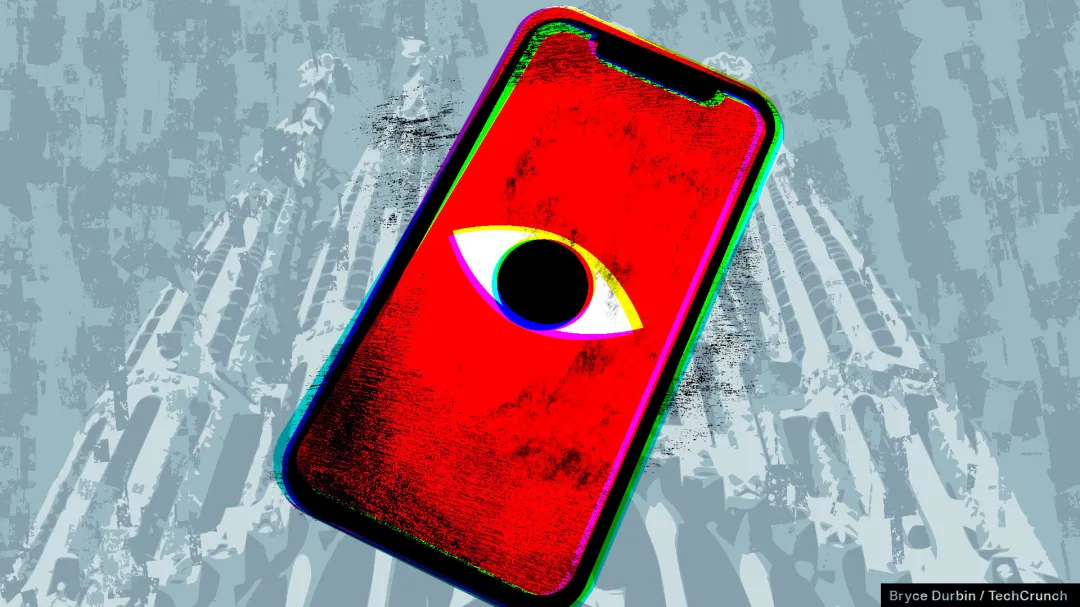
Featured image: An illustration of a smartphone with a surveilling eye on the screen, with Barcelona's Sagrada Familia in the background.. Via original publisher. Image source