The Department for Work and Pensions (DWP) will introduce new bank account deduction rules on 29 October 2026.
What’s Changing?
The Social Security (Further Methods of Recovery) Regulations 2026 add detailed rules to existing powers to recover unpaid benefit debts.
These rules apply to people who have stopped receiving DWP benefits but still owe money, where repayments cannot reasonably be collected through wages.
For example, someone who received too much in benefits in the past may still have an unpaid debt — this does not automatically mean fraud.
Who Is Affected?
Most people will not be affected.
Those who receive Universal Credit typically have debts collected through deductions from their benefits, not bank accounts.
Only individuals with a DWP debt letter and no viable repayment through wages are likely to be impacted.
How Will Deductions Work?
- For regular deductions, the maximum is 20% of the money expected to be paid into the account each month.
- This limit can rise to 40% in cases of fraud, such as a conviction related to the debt.
- These are maximums — repayments must still leave enough for essential living costs like housing, food, heating, and council tax.
- Other household members’ needs must also be considered.
Protected Payments
Some payments are protected from deduction:
- Child Benefit
- Child maintenance
- Disability Living Allowance (DLA) paid for a child
For one-off deductions, these must be excluded if received within the last 12 months and kept for their intended purpose.
For regular deductions, protected payments are excluded when assessing affordability.
People should tell the DWP if such money is in their account and keep records to support this.
Bank Charges and Costs
Banks may charge fees for deductions:
- Up to £55 for one-off deductions
- £10 per regular deduction, capped at £40 per month
These fees are additional to the debt repayment.
The DWP must account for the maximum permitted charge when checking affordability.
Process and Challenges
The DWP describes deductions as a last resort after multiple attempts to agree on affordable repayments have failed.
Its enforcement team must make at least four further contact attempts before proposing a deduction.
If a deduction is proposed, you and any joint account holder have one calendar month to respond.
You can explain why the proposal is unaffordable or incorrect.
If an order is made, you have another month to request a review before deductions begin.
For one-off deductions, money may be frozen earlier during the process.
People can appeal to an independent tribunal if they challenge the proposal or request a review.
Joint Accounts and Shared Ownership
If you share a bank account, only the portion belonging to the person responsible for the debt can be deducted.
If some money belongs to you, you must explain this to the DWP and provide evidence.
Driving Licence and Legal Action
Separate powers allow court applications for driving bans for debts of £1,000 or more.
These are a last resort for people who can pay but refuse without good reason.
Courts must protect essential driving needs, such as earning a living.
What Should You Do If Contacted?
- Ask for a breakdown of the debt if you don’t recognise it.
- Check the challenge deadlines.
- Explain your essential costs and what you can afford.
- Mention protected payments, joint account ownership, and any difficulty responding.
- Challenge a deduction you believe is wrong or unaffordable.
Debt Management at the DWP is available at 0800 916 0647, Monday to Friday, 8am to 7:30pm.
StepChange and Citizens Advice offer free debt support.
Source: Skint Dad
For more on bank switching and managing your finances, see Top Bank Switching Offers in October 2026.
Sources & further reading
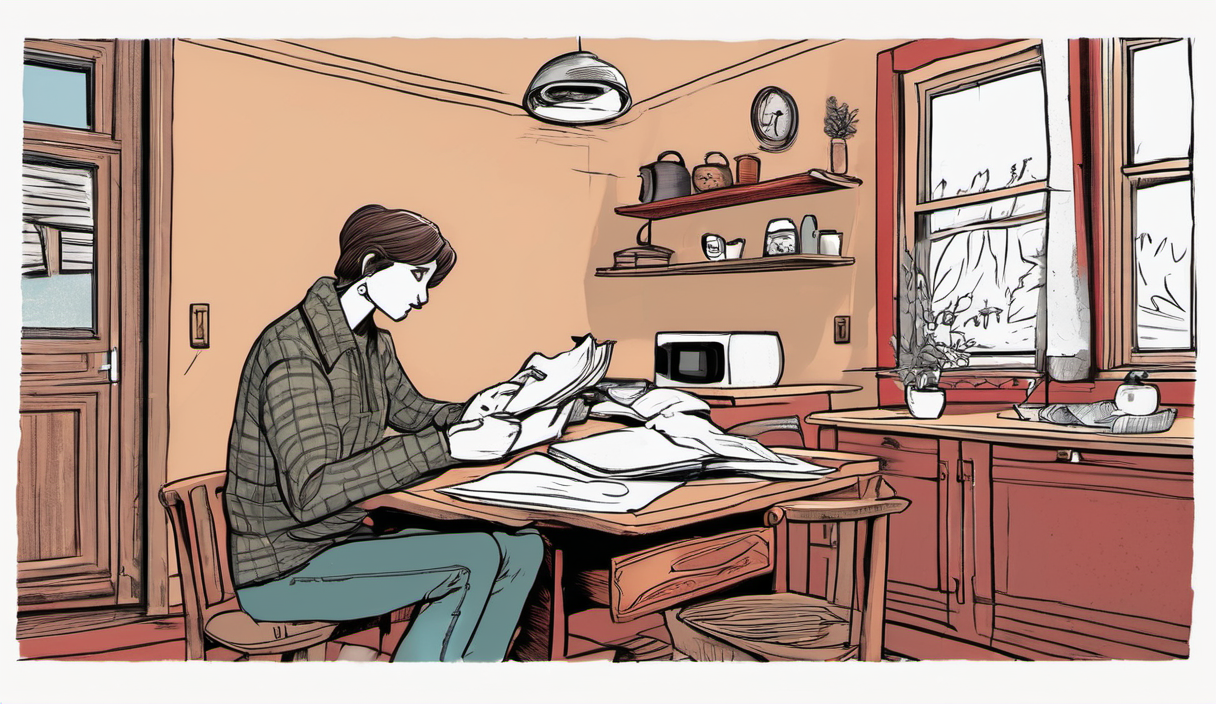
AI-generated illustration.