Artist Deana Lawson’s exhibition Edge Control is on view at the Gagosian gallery in New York City until 24 October 2026.
What Is Edge Control?
The title refers to hair products that smooth the edges of Black women’s hair. In the exhibition, it becomes a metaphor for power, visibility, and the role of surveillance in beauty culture.
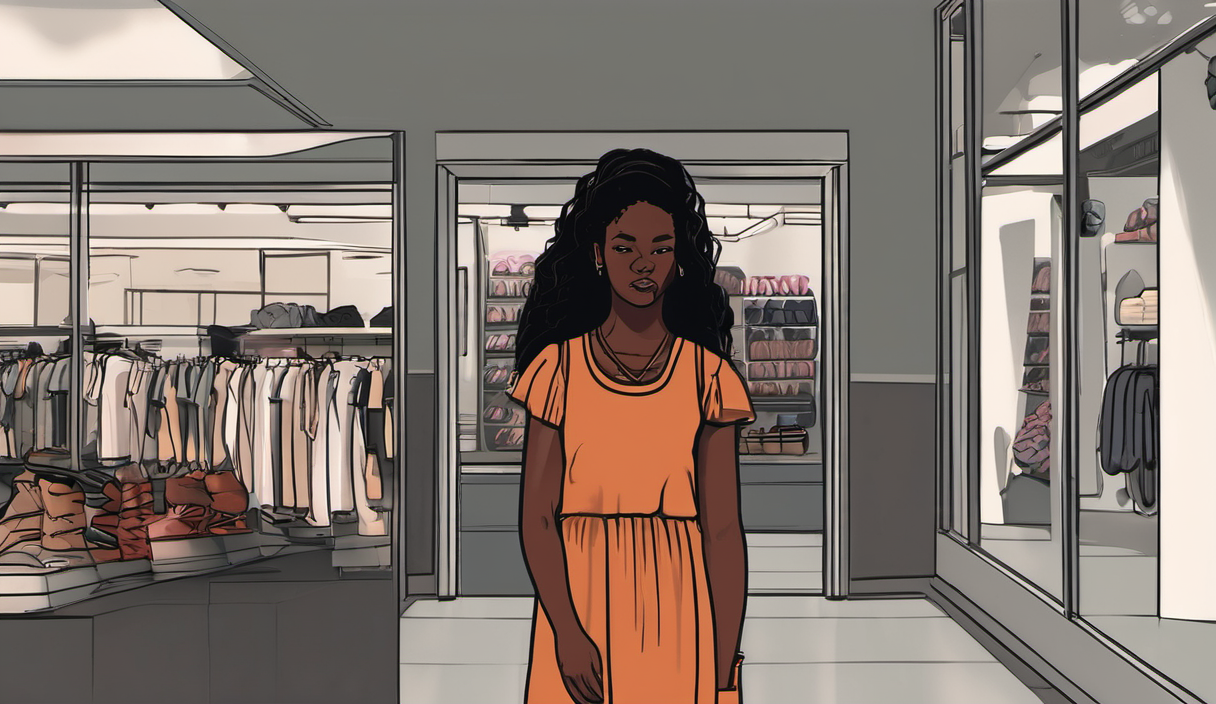
Lawson uses surveillance photos from beauty supply stores—taken when customers are accused of shoplifting—to create large-scale portraits. These images are displayed in mirrored frames, transforming passive viewing into active participation.
How the Exhibition Works
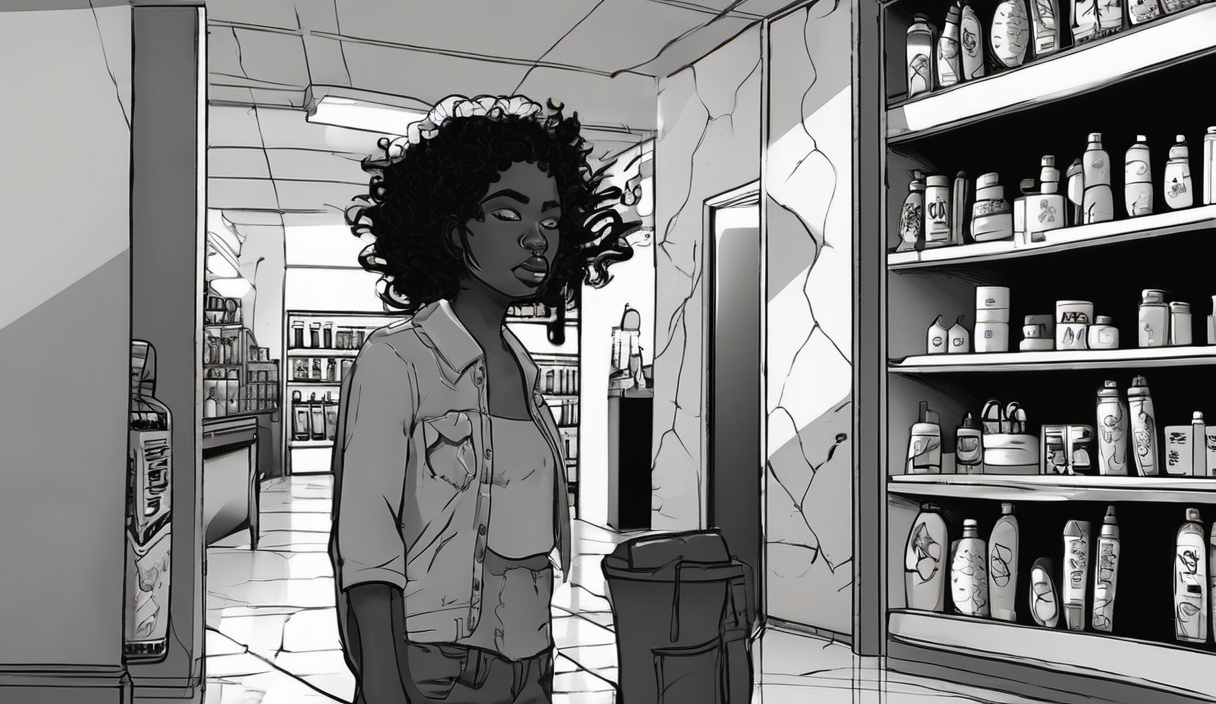
Many beauty stores in Black neighborhoods post low-resolution, blurry images of alleged shoplifters. These images are often masked or out of focus, blending into the background of shampoo bottles and hair accessories.
Lawson reworks these images, framing them in large mirrors. Viewers see themselves as small, narrow figures looking at life-sized subjects. This shift forces a confrontation with the act of watching.
At the center of the gallery, two holograms show Black women whose bodies shift depending on the viewer’s angle. These pieces emphasize movement and perception—contrasting stillness with motion.
Challenging the Gaze
In her essay The Oppositional Gaze: Black Female Spectators, philosopher bell hooks explains that Black people have historically been punished for looking back at those in power. She argues that rebellion has come through secret glances—looking at white people and surroundings, rejecting the white gaze as the only truth.
Lawson’s work embodies this idea. By showing shoplifters in large, human-sized portraits, she invites viewers to question their assumptions about behavior, morality, and identity.
The exhibition includes a contrast: on the opposite wall, Lawson displays her own signature portraits of Black men and women in casual, everyday settings. These images are rich in detail and show subjects gazing directly at the viewer.
These portraits are not framed by dignity or formality. They reflect the beauty of Blackness in ordinary life—unpolished, unguarded, and real.
Why It Matters
Lawson does not judge the subjects. She avoids labeling them as criminals or heroes. Instead, she highlights the tension between surveillance and agency.
By blurring faces and using low-resolution images, she prevents identification. This forces viewers to consider: who is the customer? Who is the criminal? Who is being watched?
Her work challenges the idea that Black people are only seen through the lens of crime or deviance. It presents Blackness as a continuum—full of contradictions, behaviors, and identities.
Limitations and Questions
Some critics may question the ethics of using surveillance footage, even if it is not identifiable. The exhibition does not clarify whether the shoplifters were actually guilty or if the stores’ practices are biased.
Lawson’s intent is not moral judgment. As she states, the exhibition aims to explore the agency and transformative potential of beauty products in a capitalist society.
By placing shoplifters and everyday Black people side by side, the viewer is confronted with their own biases. These biases are not private flaws—they are ideological.
What to Watch Next
The exhibition continues at Gagosian until 24 October. It is part of a broader conversation about race, beauty, and surveillance in public spaces.
For more on the exhibition, see the full report from The Guardian.
Edge Control is a powerful reminder that beauty is not just about appearance—it is about visibility, power, and the right to be seen.
Sources & further reading
AI-generated illustration.