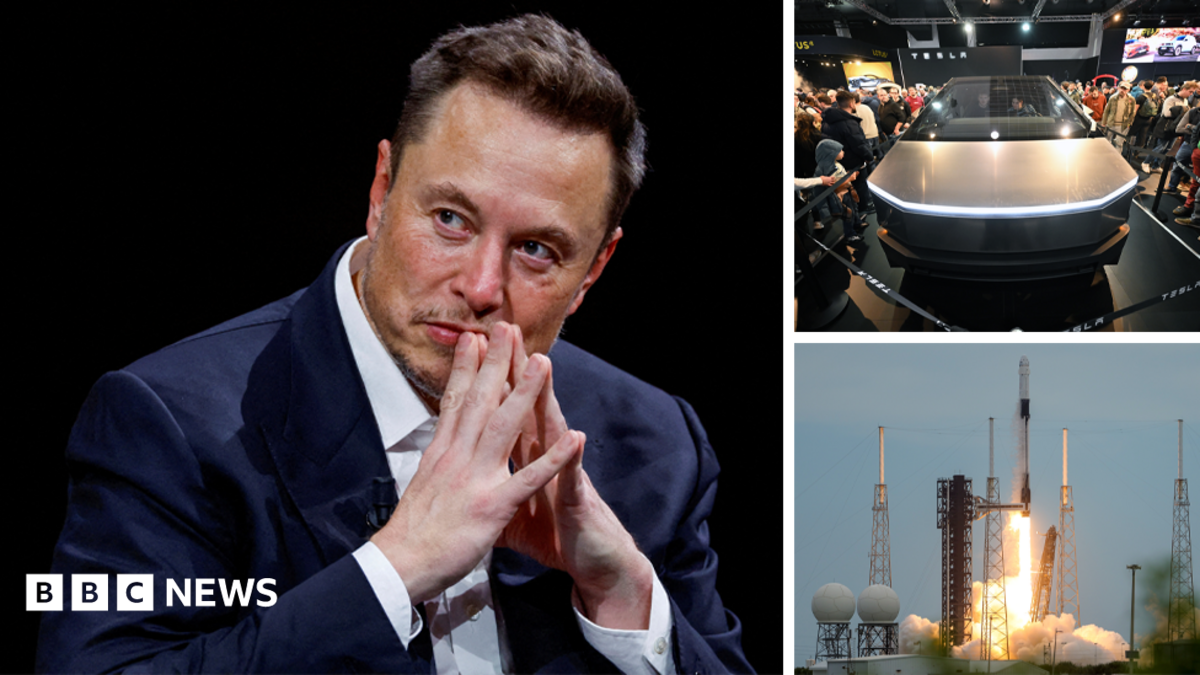
Elon Musk has confirmed that a merger between Tesla and SpaceX is under serious consideration. The move, if approved, would create the largest corporate merger in history by combining two of the world’s most influential technology companies. Source: bbc.co.uk.
What Musk Has Said
During a recent interview, Musk said: "Yes, there’s a lot to be gained." He stressed that a special committee has been formed to evaluate the deal, but added that no agreement has been reached and the outcome remains uncertain.
Financial Scale of the Proposed Merger
Tesla is valued at about $1.5 trillion. SpaceX is estimated at $2 trillion. Together, they would form the largest corporate merger ever.
Key Facts and Structure of the Proposal
- Tesla’s electric vehicles, robots, and self-driving tech would merge with SpaceX’s rockets, satellites, and AI data centers.
- Musk already acquired xAI and X (formerly Twitter), showing a pattern of consolidating his tech ventures.
Why the Merger Might Happen
Both companies use AI, chips, and autonomous systems. Musk sees strong synergy between Tesla’s vehicle and robot platforms and SpaceX’s AI and satellite networks.
For example, Tesla’s Autopilot could benefit from SpaceX’s AI training data and high-performance computing centers.
Technology Synergies
SpaceX’s satellite network could improve navigation and traffic prediction for Tesla vehicles — especially in remote areas.
Tesla’s Optimus robots could grow faster with access to SpaceX’s AI infrastructure and training environments.
The Tesla Roadster, powered by rocket thrusters, was a symbolic show of how the two companies’ technologies could blend.
What This Means for Customers
Most Tesla drivers won’t see major changes soon. Tesla has already shifted focus to its top-selling Model Y and Model 3.
Tesla’s California plant now builds Optimus robots — a sign the company is pushing AI-driven automation into its products.
Regulatory and Political Risks
The deal could face scrutiny due to Musk’s polarizing image. If Democrats gain more seats in the upcoming U.S. midterms, antitrust and power concentration concerns may grow.
Ownership and Control Implications
After the merger, Musk would have greater voting control than he does at Tesla. This is a key point the special committee must assess.
The deal doesn’t add to Musk’s wealth, but it concentrates his ownership in one stock — increasing his influence over the company’s direction.
What to Watch Next
Shareholders must approve the merger. No timeline has been set, but Musk says it’s likely in the next few years.
It could be a step toward Musk’s goal of building a self-sustaining city on Mars — a vision that remains controversial but has strong support in tech and space circles.
For more on Musk’s business moves, see Elon Musk Says Tesla-SpaceX Merger Is Under Consideration.
For details on Musk’s Starlink launch in India, see Elon Musk Challenges Mukesh Ambani Over Starlink Launch in India.
While the merger is not confirmed, it shows Musk’s strategy to unite his tech companies under one ecosystem. The final decision will depend on shareholder votes, regulatory actions, and global innovation trends.
Sources & further reading
Featured image: A composite picture shows Elon Musk wearing a blue suit jacket and white shirt next to a photo of a Tesla car and a picture of a SpaceX rocket taking off. Via original publisher. Image source