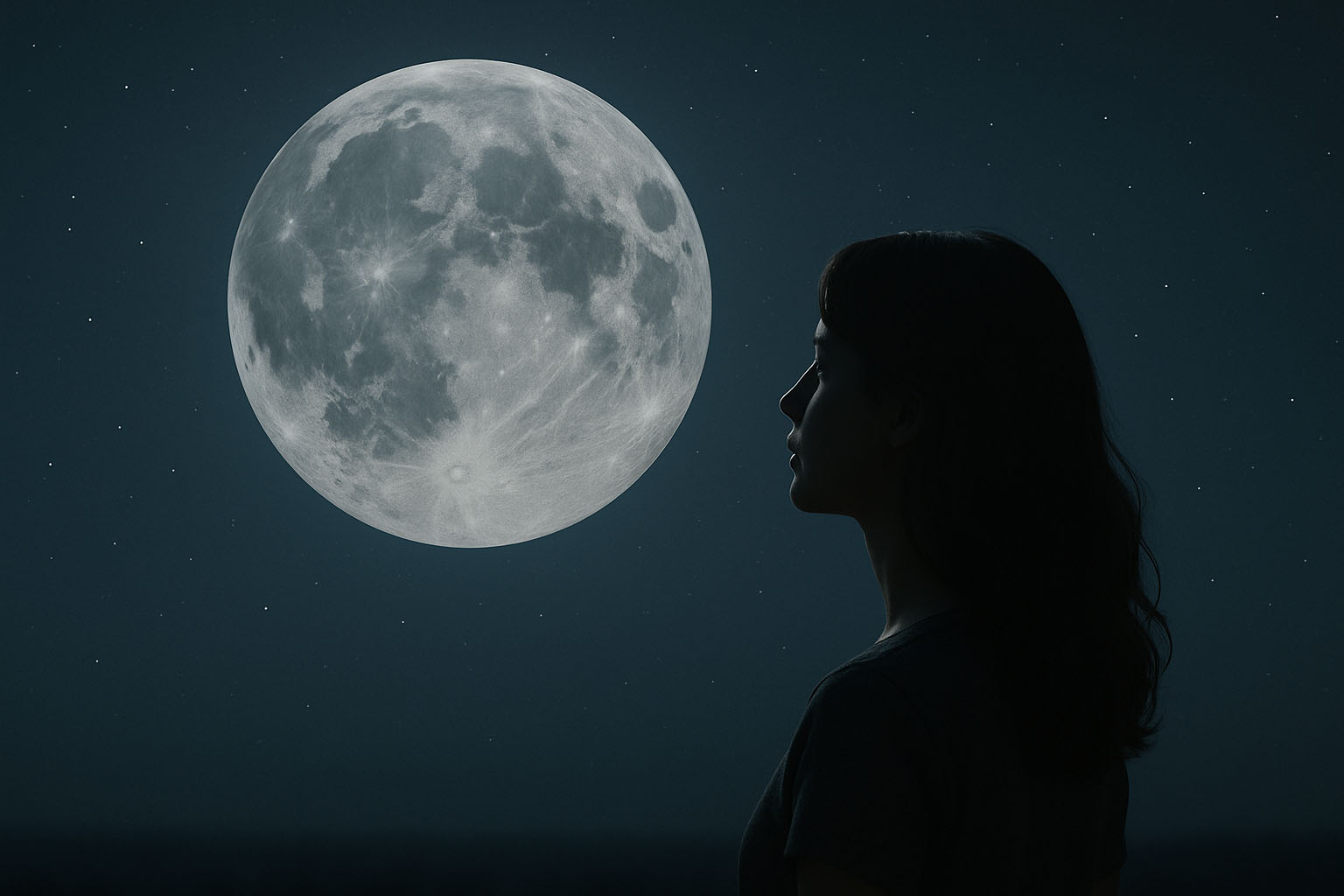
The full moon has fascinated humanity for centuries. Across cultures and traditions, this lunar phase is believed to hold deep spiritual meaning and even measurable physical and psychological effects on our bodies and minds. But how much of this is myth, and how much is backed by science? Let’s explore the truth behind the moon’s mysterious influence.
1. What Is a Full Moon?
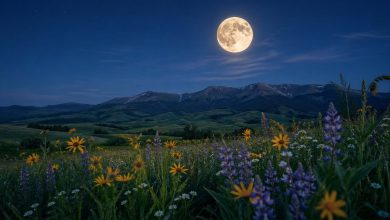
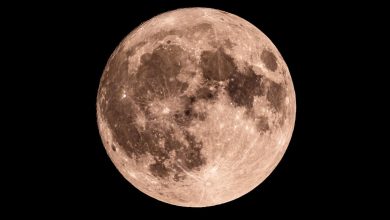
A full moon occurs when the Moon is fully illuminated by the Sun from Earth’s perspective. This happens once every 29.5 days during the lunar cycle. Symbolically, it represents completion, clarity, and heightened energy. Many ancient civilizations used the full moon as a marker for harvests, rituals, and festivals.
2. Spiritual Meaning of the Full Moon
In astrology and spirituality, the full moon is a time for:
- Manifestation – focusing energy on achieving goals
- Release – letting go of negative habits or emotions
- Cleansing – using moonlight to “purify” crystals or spaces
- Intuition – heightened psychic and emotional sensitivity
Cultures from Native American tribes to Eastern traditions believe that the full moon amplifies emotional awareness and spiritual connection.
3. How the Full Moon Affects the Human Body
While not everyone feels the same effects, research and anecdotal evidence suggest that the full moon may influence:
- Sleep Patterns – Studies have found people sleep 20–30 minutes less during a full moon, with reduced deep sleep.
- Hormonal Changes – The moon’s light and gravitational pull may subtly affect melatonin production.
- Energy Levels – Some report feeling more energized, while others feel drained.
4. The Full Moon and the Mind
Emotionally and mentally, many notice changes such as:
- Increased irritability or restlessness
- Heightened creativity and inspiration
- Stronger empathy or emotional responses
- Greater urge for social interaction or reflection
Psychologists suggest that the full moon’s brightness and cultural beliefs can trigger placebo-like effects, meaning expectations themselves influence how people feel.
5. Full Moon Rituals and Practices
If you want to align with the moon’s energy, you can try:
- Meditation under moonlight
- Journaling to release old emotions
- Moon water (charging water under the moon for symbolic use)
- Sound baths or yoga to balance energy
The full moon is more than just a beautiful sight in the night sky. Whether you view it through a spiritual or scientific lens, it remains a powerful time for self-reflection, emotional awareness, and connection with nature’s cycles. Next time the moon is full, take a moment to step outside, breathe deeply, and tune in to the subtle shifts within yourself.