A growing number of people are turning to professional facials to achieve a luminous, hydrated complexion. Among the most popular are Hydrafacial, DiamondGlow, and Glacē. These treatments share a common structure: cleansing, exfoliating, and infusing with serums. They all use vacuum-based tools to remove debris and enhance topical penetration.
What the Treatments Have in Common
All three facials are non-invasive and require no downtime. They are suitable for most skin types, though they are not recommended for those with active irritation, eczema, or rosacea.
Each treatment uses a device with a tip that applies suction to remove dead skin cells and debris from pores. This action also helps push serums deeper into the skin. The result is often a smoother, more radiant appearance.
The process typically includes three core steps: cleansing, exfoliation, and serum infusion. The tools used vary slightly in design and function, but the overall goal remains consistent—improving skin texture and brightness.
These treatments are designed to address common concerns such as dullness, clogged pores, dehydration, and uneven skin texture. While they do not replace dermatological treatments for deeper issues like acne scarring or significant pigmentation, they serve as effective, accessible tools for maintaining a healthy, radiant appearance on a regular basis.
Each of these facials is typically performed by a trained aesthetician who tailors the treatment to the individual’s skin condition. The level of customization—such as choosing specific serums or adjusting the intensity of exfoliation—plays a critical role in both effectiveness and safety. This personalization ensures that the treatment aligns with the client’s unique skin needs rather than simply following a standardized protocol.
Glacē: A Focus on Radiance and Cooling
Launched in 2025 by Candela, Glacē is designed to produce a glass-like, luminous finish. It combines hydrodermabrasion, LED light therapy, and lymphatic massage.
During the session, the aesthetician begins with a double cleanse to remove surface debris. This is followed by a steaming phase to loosen pores and prepare the skin for deeper treatment.
The main exfoliation step uses a handheld device with diamond-integrated tips. Dr. Mona Gohara explains that diamond particles create a textured surface that buffs away dead skin cells, similar to a nail buffer applied to skin. This physical exfoliation removes the outer layer of dead cells, which can otherwise dull the skin’s appearance and prevent proper absorption of skincare products.
These tips are adjustable, making the treatment adaptable to different skin types. However, it is not advised for individuals with irritated or inflamed skin. The intensity can be modulated to suit sensitivity levels, which is especially important for those with conditions such as rosacea or eczema.
After exfoliation, a serum is infused into the skin. The esthetician selects from four Met2morph serums. For someone with sensitive skin, a serum called Silky Touch is used. It contains niacinamide, lavender, and cranberry.
Dr. Gohara notes that niacinamide strengthens the skin barrier and retains moisture, helping to prevent future dehydration. Cranberry may offer antioxidant benefits, which can help combat environmental damage and free radical exposure. Lavender, however, has a potential to irritate sensitive skin, so it is used with caution. The author personally did not experience irritation during this step, which suggests that the formulation may be balanced for sensitive skin types.
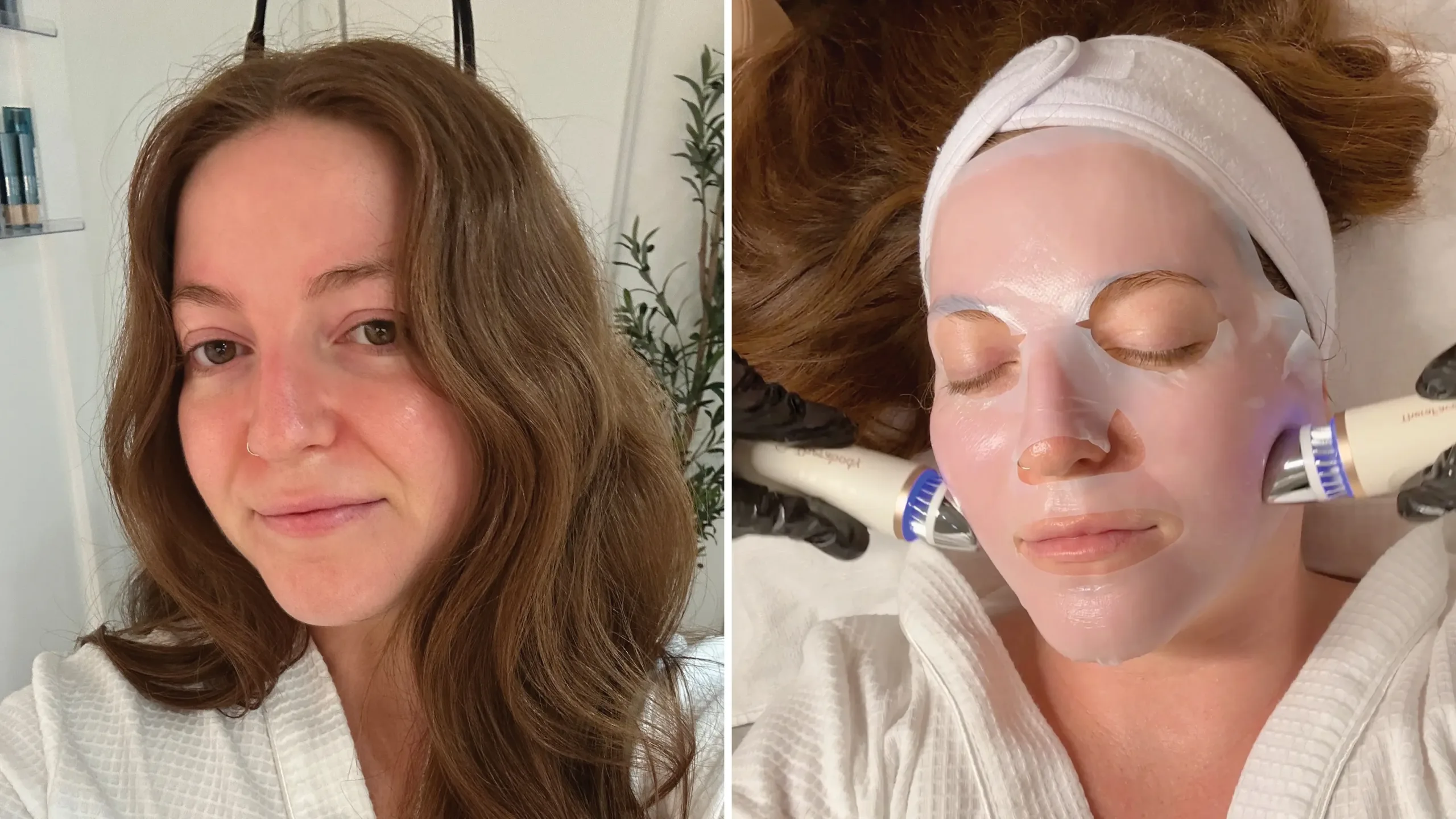
The treatment then moves to lymphatic drainage, using cupping to reduce puffiness and sculpt the face. This step is described as gentle and calming, using smaller cups than those used in athletic settings. The suction is mild, and the technique does not leave visible marks or bruising. This method helps improve circulation and can contribute to a more even skin tone and a more youthful appearance.
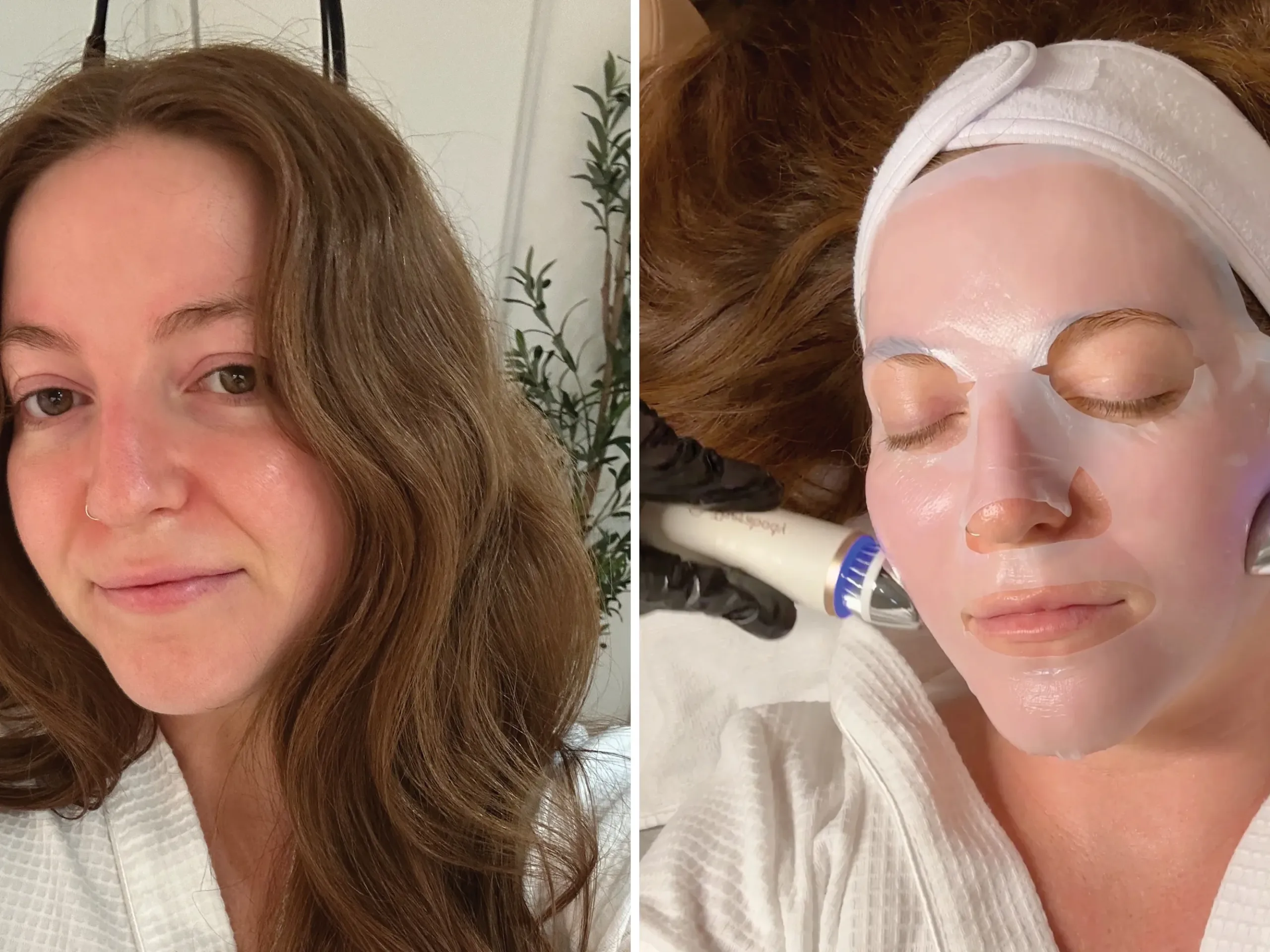
Following this, a sheet mask is applied. The mask is designed to lock in moisture and provide a final layer of hydration. The session concludes with an LED light treatment to reduce inflammation and a thin layer of SPF. The LED light therapy uses specific wavelengths to target redness and promote collagen production, which supports long-term skin health.
The author reports immediate results: a clean, bouncy, glowing complexion. Pores appear smaller, and the skin feels more supple. These effects last up to two weeks. The sensation of the diamond tip moving across the face may be described as unusual—like a rough tongue gently licking the skin—but this sensation diminishes with repeated use and is generally well-tolerated. For individuals with sensitive skin, the treatment offers a safe and effective way to achieve a radiant look without triggering irritation.
Hydrafacial: Hydration and Decongestion
Hydrafacial is marketed as a hydration tool that decongests pores and delivers a red-carpet look with no downtime. Dr. Corey Hartman describes it as a treatment that effectively removes buildup and improves skin clarity.
Instead of diamond tips, Hydrafacial uses a mix of glycolic and salicylic acid serums for chemical exfoliation. A spiral-shaped wand and Vortex-Infusion technology circulate the serums across the skin.
Dr. Gohara compares the process to washing a floor: water is applied and dirty water is removed. This method ensures even distribution and deep penetration. The glycolic acid helps exfoliate dead skin cells, while salicylic acid penetrates oil-filled pores to clear clogs. Together, these acids work to improve skin texture and reduce the appearance of blackheads and whiteheads.
The treatment begins with a cleanse. The client wears protective eye gear to shield against sprayed serums. This step is comfortable and does not interfere with the experience. The eye protection is designed to prevent serums from coming into contact with the eyes, which is especially important during chemical exfoliation steps.
Next, a lymphatic drainage step uses clear glass tubes to reduce puffiness and firm the skin. This is described as relaxing and similar to the cupping step in Glac-ē. The tubes are gently moved across the face, creating a sensation of warmth and smoothness. This step helps reduce swelling and can improve the overall contour of the face.
Following this, a light chemical peel with glycolic and salicylic acid is applied. This causes a hot, tingly sensation—normal for sensitive skin. The sensation is typically short-lived and subsides within minutes. For individuals with reactive skin, this step may require a lower concentration of acids or a shorter duration to avoid discomfort.
Immediately after, a mechanical exfoliation step uses a vortex-based tool to flush out pore debris. This tool also infuses serums into the skin, similar to Glacē. The vortex action creates a rotating motion that helps dislodge and remove impurities from the pores, while simultaneously pushing serums into the skin layers.
For the author’s session, a DermaBuilder peptide booster was used to improve skin laxity. This peptide-infused serum is designed to support collagen production and improve skin firmness. While the treatment does not address deep wrinkles, it can help maintain a more youthful appearance over time. The author notes that this addition enhances the overall effect of the facial, particularly for those concerned with signs of aging.
The treatment ends with an LED red light session and a layer of SPF. The red light therapy is known to reduce inflammation and stimulate collagen synthesis, which helps maintain skin elasticity and resilience. The SPF applied at the end provides protection against UV damage, which is essential for long-term skin health.
After the session, the client feels red, sensitive, and tight. These side effects are common after exfoliation. By the next morning, the skin settles and remains dewy for days—enough to look radiant at an engagement party just two days later. The author would choose Hydrafacial again, but recommends the entry-level ‘signature’ treatment for regular use to save costs. This tier offers a significant glow without the higher price point of premium versions.

DiamondGlow: A One-Step Physical Exfoliation
DiamondGlow, owned by Allergen Aesthetics along with SkinMedica, uses a diamond-infused wand for both exfoliation and infusion. It can be performed as a standalone or integrated into a longer facial.
At the appointment, the aesthetician begins with a quick cleanse. The device is then used to exfoliate, extract, and infuse serums in a single step. This streamlined process is particularly efficient for clients who want a focused treatment without multiple stages.
There are four diamond tips, each with different levels of exfoliation. The aesthetician selects a moderate level based on the client’s skin condition. This allows for personalized treatment intensity, which is especially important for individuals with dry or sensitive skin.
For the author, who had dry skin, SkinMedica’s Hydra Collagen Hydrator was chosen. This serum is infused into both face and lips—a unique feature of this treatment. The inclusion of lip care is a notable advantage, as many facial treatments overlook the lips, which are often dry and prone to flaking.
The device’s sensation is described as similar to a rough tongue licking the face—unpleasant at first, but oddly pleasant with repeated use. This sensation is due to the physical abrasion of the diamond tip, which removes dead skin cells. Over time, users may become accustomed to the sensation, and it may even be perceived as a form of sensory stimulation that promotes relaxation.
After exfoliation, a facial massage is performed using gua sha tools and an ionized oxygen infuser. The aesthetician calls this her ‘Lift, Sculpt, and Slap’ method. The oxygen infuser is said to help serums penetrate deeper into the skin. However, Dr. Gohara notes that there is no definitive clinical evidence to support this claim. While the infuser may provide a perceived benefit in terms of skin absorption, its actual effectiveness remains unproven in peer-reviewed studies.
LED light therapy is applied to minimize redness. The session ends with steam and five minutes under an LED panel to reduce inflammation. The steam helps open pores and enhance the delivery of serums, while the LED panel provides targeted treatment for inflammation and redness.
The author finds the results last for at least a week. They receive compliments on their complexion and feel confident without makeup. This treatment is especially effective for rough or dull skin. The physical exfoliation component is more pronounced than in the other two facials, making it ideal for individuals who have experienced significant texture issues or uneven skin tone.
Cost and Value Comparison
Prices vary by provider, location, and treatment tier.
- Monthly use is ideal for those with a budget, though it is a significant expense. The treatment offers a bright, immediate glow, making it a strong choice for special occasions.
- Hydrafacial: $150 to $350. The signature treatment offers a glowy result without the need for higher tiers. The entry-level option provides excellent value for those seeking hydration and clarity without overpaying.
- DiamondGlow: Starts at $150 to $300 for a straightforward treatment, with premium versions reaching up to $500. The price reflects the depth of physical exfoliation and added services. The one-step integration of exfoliation, extraction, and infusion contributes to the higher cost, as it reduces session time and increases efficiency.
While all three offer value, the cost reflects both the device and the experience. DiamondGlow’s higher price point is justified by its one-step integration of exfoliation, extraction, and infusion. However, clients should consider whether the added cost is worth the benefits based on their individual skin needs and goals.
Key Considerations Before Choosing
These treatments are not suitable for compromised skin. This includes open wounds, active acne, eczema, rosacea, or sunburn.
Dr. Gohara warns that exfoliating an already inflamed skin barrier can worsen irritation. Clients should disclose allergies, pregnancy, breastfeeding, medications like isotretinoin or topical retinoids, and recent treatments such as lasers or peels. These factors can influence the safety and effectiveness of the treatment.

Device-specific restrictions may apply. A proper consultation is essential to ensure safety and effectiveness. The aesthetician should evaluate the client’s skin condition and recommend appropriate settings and serums based on individual needs.
These facials do not address deeper skin concerns such as acne scarring, deep wrinkles, pigmentation, or skin laxity. These issues require dermatologist-led treatments like lasers, chemical peels, microneedling, or radiofrequency devices, depending on the individual.
Overuse can damage the skin barrier. Dr. Gohara recommends quarterly use—every four months—as a maintenance routine. This provides seasonal refreshment without over-exfoliation. The skin barrier is a delicate system, and excessive exfoliation can lead to increased sensitivity, breakouts, and dehydration. A balanced, periodic approach ensures long-term skin health.
Which Facial Is Right for You?
Choose based on your skin’s needs and goals.
- If hydration is your priority, Hydrafacial is effective and widely available. It is especially beneficial for individuals with oily or dehydrated skin who want to clear pores and improve moisture retention.
- If you have dull or rough skin, DiamondGlow offers targeted physical exfoliation. The treatment is ideal for those who have experienced texture issues or uneven skin tone and want a more aggressive yet safe method of improvement.
- If you want immediate, bright results before a special event, Glacē delivers the fastest visible glow. The combination of cooling, lymphatic massage, and LED therapy provides a radiant, fresh appearance that is noticeable right after the session.
Dr. Sameer Bashey emphasizes that the best facial is not the newest or most aggressive one. It is the one that matches your skin’s actual needs. Personal preference plays a large role. Some people may prefer Hydrafacial for its consistency and reliability. Others may enjoy the deeper exfoliation of DiamondGlow or the cooling sensation of Glacē.
Each of these treatments leaves the skin glowing. They are a valuable addition to a regular skincare routine, especially when used as part of a seasonal maintenance plan. When combined with a consistent at-home routine, these facials can enhance the overall effectiveness of daily skincare.
It is important to note that while these treatments offer visible results, they are not a substitute for medical-grade skincare or professional dermatological care. For persistent or severe skin conditions, a consultation with a board-certified dermatologist is recommended.
For individuals with sensitive skin, it is essential to begin with a lower-intensity treatment and gradually increase as tolerance builds. This allows the skin to adapt and reduces the risk of adverse reactions.
Additionally, clients should avoid scheduling facials too frequently—especially within a short period—because overuse can lead to irritation and compromised skin health.
Finally, while these facials are generally safe, they are not risk-free. Individuals with a history of skin conditions or those undergoing medical treatments should consult with their healthcare provider before undergoing any new skincare procedure.
Each of these treatments leaves the skin glowing. They are a valuable addition to a regular skincare routine, especially when used as part of a seasonal maintenance plan. For those seeking a radiant, healthy complexion without invasive procedures, these facials represent a practical and effective option.
For more first-person reviews, see our original article.
Sources & further reading
Featured image: original publisher image. Via original publisher. Image source