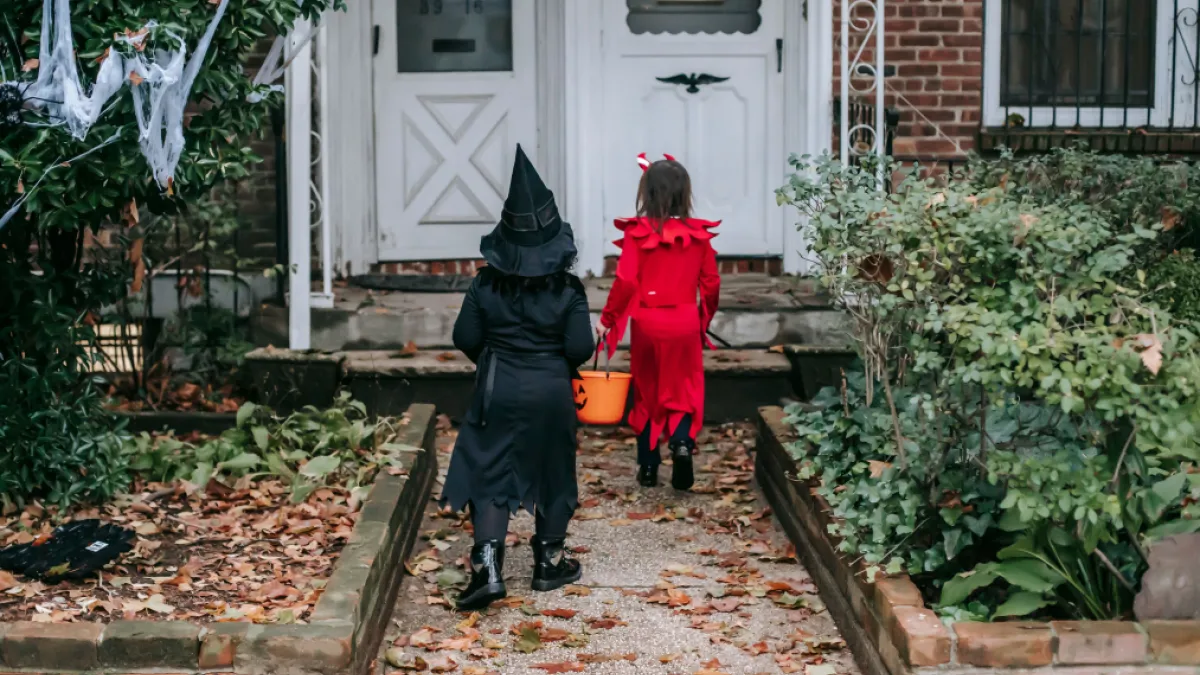
Halloween is a time of joy, creativity, and connection. But how it’s celebrated changes with a child’s age. For toddlers, it can be overwhelming. For teens, it can feel like a missed opportunity to be seen. The key to a meaningful Halloween experience lies not in the scale of the celebration, but in how well it supports emotional development, safety, and family connection across different developmental stages. Source: psychologytoday.com.
Toddlers and Preschoolers: Simple, Safe, and Calm
Toddlers are naturally curious, but their brains and sensory systems are still developing. The noise, movement, and unfamiliar sights of trick-or-treating can trigger anxiety or fear. These reactions are normal and should not be dismissed as ‘being silly’ or ‘not being excited enough.’
Carving pumpkins is not safe for young children. The use of knives, even small ones, poses a risk of injury and can be distressing for a child who lacks fine motor control or understanding of safety. Instead, parents can involve toddlers in the creative process by letting them suggest designs for jack-o’-lanterns or help scoop out seeds with a spoon—activities that are both safe and engaging.
Costumes should be functional and comfortable. Tight clothing, strings, or designs that restrict movement or vision can lead to discomfort or even injury. A simple, soft costume like a superhero cape or a friendly animal mask is ideal. These allow children to feel confident and secure in their appearance.
Scary decorations or movies should be avoided. Even the sight of a black cat or a haunted house can trigger fear responses in young children. Instead, focus on festive, warm, and familiar imagery—like autumn leaves, pumpkins, or friendly ghosts.
Start early. Have toddlers collect treats before dark to reduce exposure to crowds and loud noises. This helps them feel in control and reduces the risk of overstimulation. When it comes to candy, every treat should be inspected for choking hazards or allergens. Parents should establish a daily limit—such as three pieces of candy per day—to prevent overconsumption and support healthy habits.
If a child shows signs of distress—such as crying, pulling away, or refusing to move—it is okay to stop. Safety comes before fun. A good rule: if a child shows signs of distress, return home immediately. Afterward, discuss what happened in a calm, non-judgmental way to help them process emotions.
Brushing teeth before bed is essential. Sugar-rich treats can contribute to tooth decay, and establishing this routine supports long-term oral health. Make it a consistent part of the bedtime ritual.

School-Age Children: Independence with Supervision
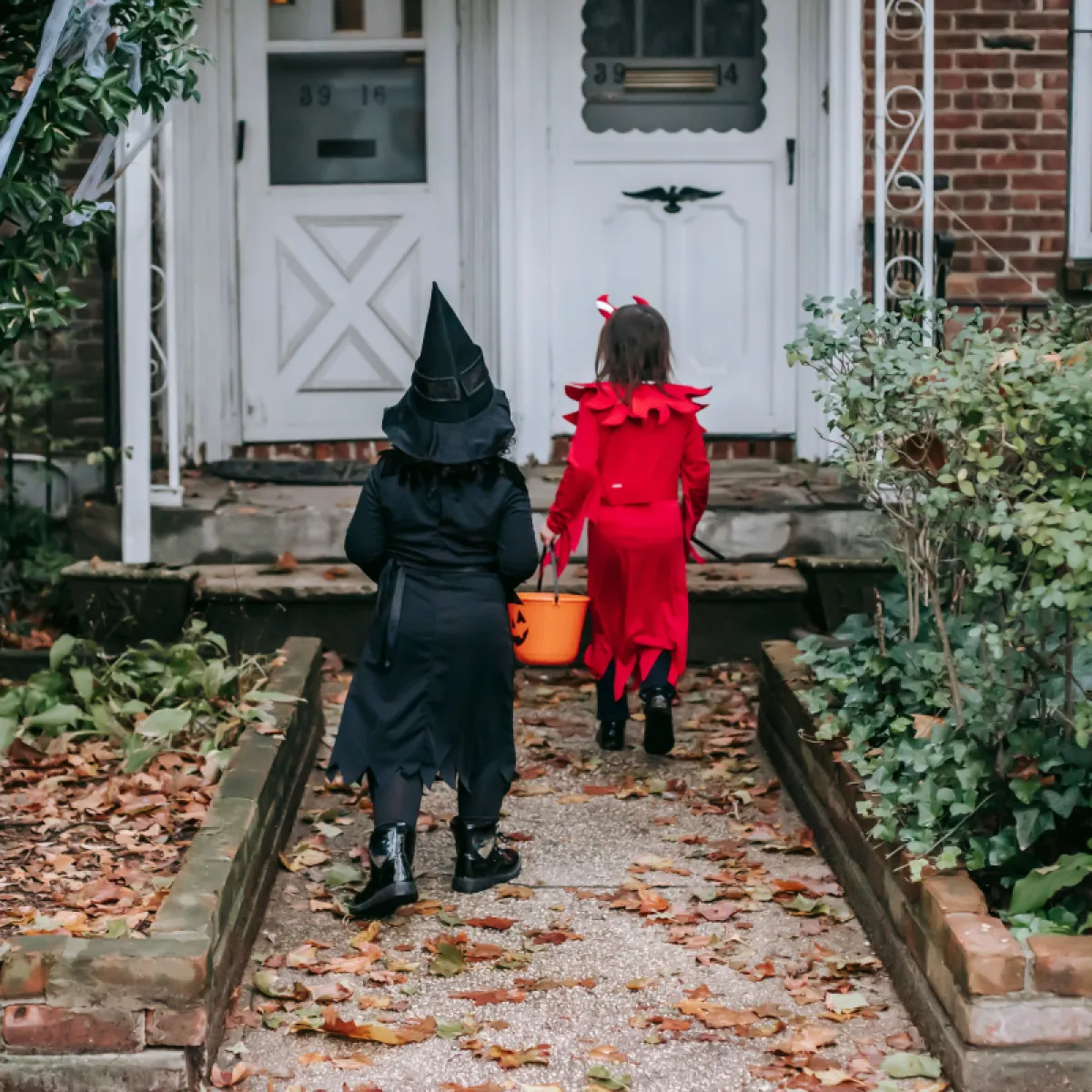
By elementary school age, children are ready to take on more responsibility. This is a critical time for building confidence and independence, but it does not mean they are ready for all Halloween activities.
Pumpkin carving remains unsafe. Knife work requires fine motor skills, hand-eye coordination, and an understanding of safety—none of which are fully developed in young children. Even with supervision, the risk of injury or emotional distress is too high. Instead, children can help by selecting pumpkins, suggesting designs, or participating in decorating the home.
Costumes should be night-time friendly. Glow bracelets, LED lights, or reflective accessories improve visibility and help children feel safer while walking in the dark. These elements also promote a sense of empowerment and awareness.
Map the trick-or-treating route together well in advance. This helps children feel prepared and in control. Use a map or a drawing to show them where they’ll go and what to expect. This reduces anxiety and builds a sense of ownership over the experience.
While it is important to encourage independence, let your child know that you (or another trusted adult) will be supervising all aspects of trick-or-treating. Walking a few houses behind is acceptable, but not a substitute for supervision. Children should be reminded to look both ways before crossing the street and to use polite manners when accepting treats.
Set clear boundaries about candy. Agree on how much candy is acceptable—such as a small bag or a limited number of pieces. This helps prevent overindulgence and supports healthy habits. Parents can also discuss the importance of sharing treats with friends or neighbors, reinforcing kindness and social responsibility.
Encourage children to help with decorations, pumpkin selection, or choosing candies to give out. These small roles build confidence and a sense of belonging. When children feel included in planning, they are more likely to feel proud and connected to the celebration.
Teenagers: Trust, Responsibility, and Connection
Teenagers may feel too old for trick-or-treating, but they often still want to be part of the celebration. This desire to participate is a sign of emotional maturity and a need for connection.

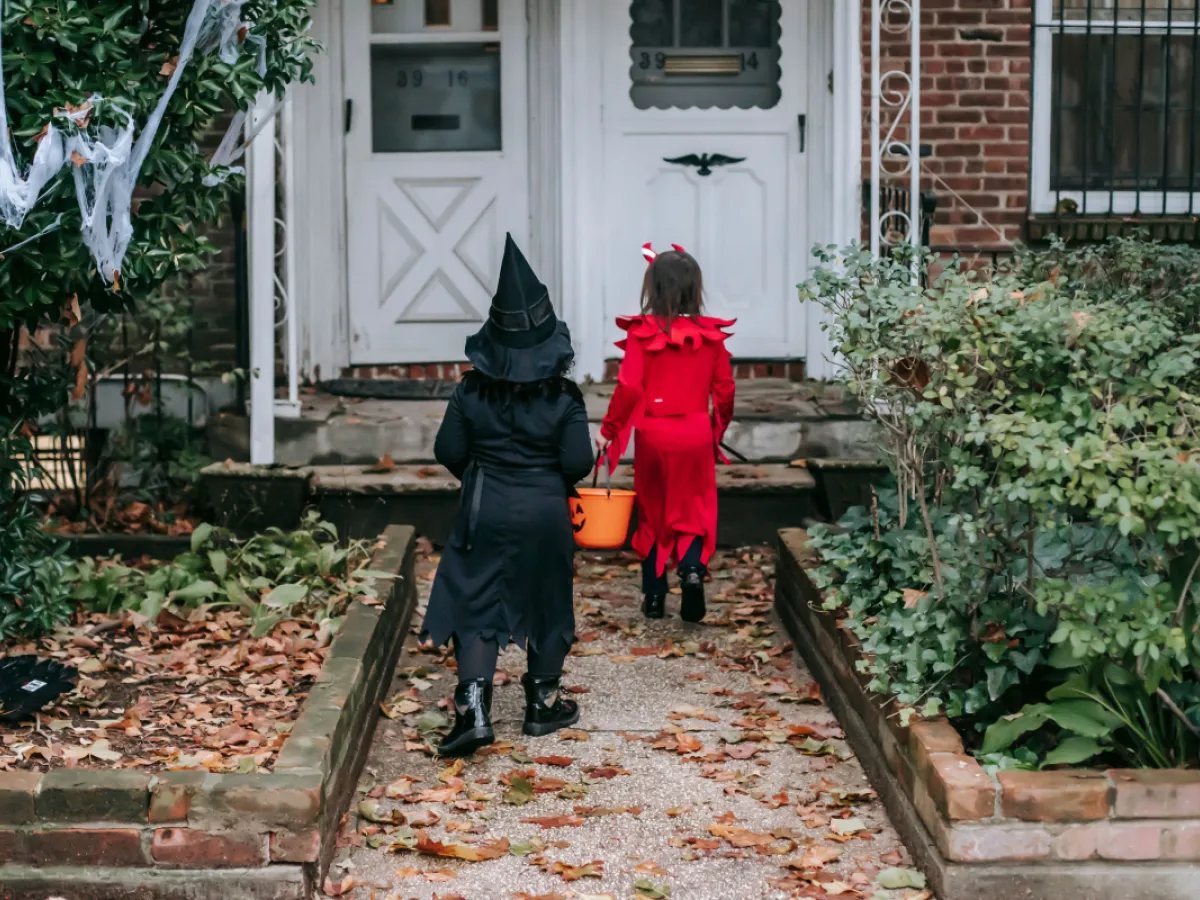
They can help by overseeing candy distribution. This gives them a sense of responsibility and allows younger children to enjoy the event safely. Teens can also assist with planning, such as choosing decorations or setting up a welcoming table for trick-or-treaters.
If teens are going out on Halloween, make sure to discuss curfews, approved activities, and locations. These conversations help establish boundaries and promote safe decision-making. It’s important to talk about risks like vaping, alcohol, and drugs—especially during social events where peer pressure may increase.
Have a plan for when a teen feels uncomfortable. This ensures they can leave a situation safely and without guilt. Open communication about personal boundaries is essential for emotional well-being.
Encourage respect. Taking large amounts of candy from unattended homes can hurt others and create resentment. It’s important to teach teens that kindness and fairness are part of responsible behavior. Taking handfuls of candy from a neighbor’s home, for example, may seem like fun, but it can leave others feeling disappointed or even hurt.
Teens can still be present and involved. Their participation builds connection and strengthens family bonds. When teens feel trusted and valued, they are more likely to engage positively and contribute meaningfully to family traditions.
Why This Matters: More Than Candy
Halloween is not just about costumes or treats. It’s about emotional development. Children learn to manage expectations, face fears, navigate big emotions, develop independence, and demonstrate kindness for others. These are life skills that grow with each experience.
What children often remember most is how they felt on this day—not what they got. They remember being included, seen, and connected to their family and friends. A simple, thoughtful approach can create lasting memories without requiring expensive items or elaborate preparations.
Safety is important—but fear should not dominate the experience. With thoughtful preparation, Halloween can become a tradition that grows with your family, creating space for creativity, connection, and memories that last long after the candy and pumpkins are gone.
Sources & further reading
Featured image: original publisher image. Via original publisher. Image source