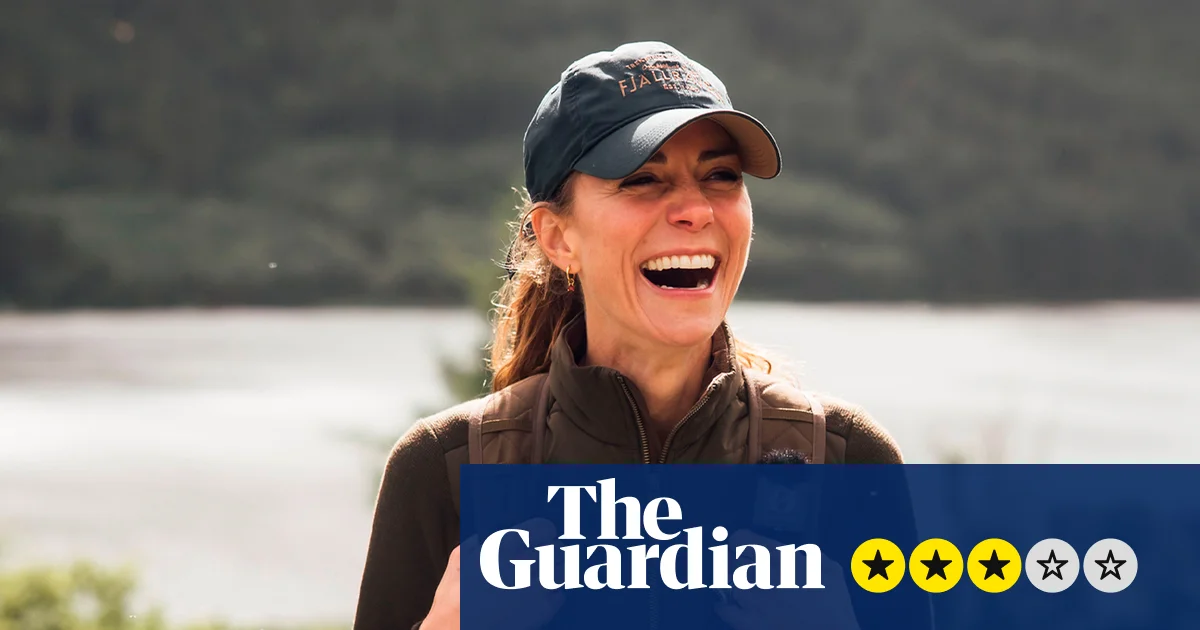
A new documentary titled Heal with the Princess of Wales has aired on BBC One and is available on iPlayer. It follows Catherine, Princess of Wales, as she completes the Three Peaks Challenge to mark her recovery from cancer diagnosed in 2024.
What Happened
The 35-minute film shows Catherine climbing Scafell Pike, Snowdon, and Ben Nevis — the three highest mountains in the UK. Each ascent is more than a physical feat. It’s a symbolic act of renewal.
Catherine describes the journey as a pilgrimage, not a challenge. She says, ‘It’s more of a pilgrimage than a challenge as such.’ This line captures the film’s quiet, reflective tone and its spiritual undercurrent.
Key scenes include her climb with her brother James — a moment of personal joy — and a hillside interview where she speaks about parenting, grief, and the limits of healing. These moments unfold naturally, with Catherine speaking calmly and honestly.
Key Messages and Personal Reflections
- Catherine says there’s no end goal — only what she learns along the way. This shows healing as a process, not a finish line.
- She reflects on parenting after diagnosis, saying being present with children is enough. This message speaks to parents facing illness.
- She acknowledges that some pain cannot be fixed. Silence, she says, can be a form of love. This idea is both simple and deeply human.
- She shares that the experience gave her back ‘days given to me’ — a sense of reclaimed peace and joy.
A climber on Ben Nevis says he’s met ‘her husband’ three times and replies, ‘Oh, he’ll be thrilled to find I’ve seen you!’ The exchange is warm and human — a moment of shared joy that feels real.
Another emotional scene is a voice message from her children. The messages are unembarrassed and age-appropriate. One references Prince Charles, age three, shaking hands with his mother after a five-week tour in 1951 — a moment that shows how maternal bonds endure.
Why It Matters
The film avoids a detailed medical account. It doesn’t show graphic illness scenes. Instead, it focuses on emotional resilience and quiet strength.
While some moments are intense, they are handled with sincerity and restraint. This makes the film accessible to a wide audience, including those unfamiliar with royal life.
It includes a segment with Kirsty Young, a broadcaster with personal experience of chronic illness. She speaks about childcare and financial strain — issues that affect many families. Her presence adds real-world context.
For viewers facing illness, the film offers gentle hope. It doesn’t promise solutions. Instead, it provides a space for reflection — one that many may find comforting.
Its strength lies in humility. It avoids ambition and spectacle. It chooses authenticity over drama. In a world full of noise, this restraint is powerful.
Ultimately, Heal with the Princess of Wales doesn’t offer answers. It offers a quiet space — one where healing is not about fixing, but about being with what remains.
Read the full review from The Guardian.
Sources & further reading
Featured image: original publisher image. Via original publisher. Image source