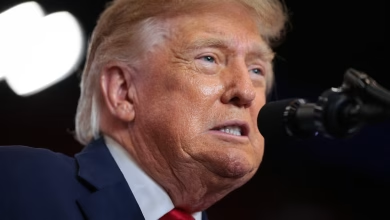
Chancellor John Healey has clarified that his remarks during a Today programme interview were not a commitment to reduce the welfare bill before the next general election.
What Healey Said
During an interview with Nick Robinson, Healey was asked if there would be cuts to welfare spending before the election. After a brief pause, he said: There will be a reduction in the benefits bill.
He explained that the government has already reduced the rate of increase in welfare spending over the past two years. This is a step forward compared to the previous system under the Conservatives.
He highlighted specific actions: reintroducing face-to-face assessments and improving the universal credit system. These changes aim to prevent people from being labeled as too sick to work and to make the system more effective.
How the Statement Was Interpreted
The BBC reported Healey’s words as a direct promise of pre-election cuts. However, Treasury sources have said this was not meant as a firm pledge.
They argue that if Healey truly intended to commit to cuts before the election, he would have announced it in the annual budget or through formal policy statements.
What the Treasury Says
The Treasury maintains no cuts to welfare spending will happen before the next general election.
Welfare reforms are complex and take years to implement. They require significant administrative and structural changes. Senior figures like Alan Milburn have said such initiatives may need upfront spending with long-term savings.
Healey has already drawn down 25% of the capital reserve and 40% of the day-to-day reserve over the next three years. These reserves were meant to cover economic downturns. Their use raises concerns about future financial flexibility.
Energy Support and Data Gaps
Healey’s team has been criticized for not investing in modern data systems for energy support.
Current energy assistance uses council tax bands from the 1980s. These outdated bands don’t reflect today’s energy costs. There is no evidence of a targeted package being developed for recent price hikes.
What to Watch Next
The next spending review will likely show a tougher fiscal outlook. Inflation remains high and public spending pressures are growing.
Healey hopes improved economic forecasts—such as a re-opening of the Strait of Hormuz or advances in AI-driven productivity—could avoid tax increases or service cuts.
If economic conditions worsen, the government will have less room to respond. This could spark renewed public debate about potential tax hikes. For now, the Treasury stands by its position: no welfare cuts before the election. Any changes will be part of a long-term, evidence-based reform strategy.
Osborne Warns Badenoch of Tory Resistance to Welfare Cuts
Healey Announces £300m AI Security Investment for UK
Firefighters in Wales Say They Were Put at Risk During Summer Wildfires
Sources & further reading
Featured image: original publisher image. Via original publisher. Image source