Five people were killed and 16 injured in a missile attack on Yemen’s al-Maashiq Palace in Aden. The palace is the seat of the internationally recognised government. Source: bbc.co.uk.
What Happened
The attack hit the presidential palace during normal operations. Officials confirmed damage to the building and security systems.
Information Minister Moammar al-Eryani said the prime minister and other cabinet members were unharmed. The strike focused on staff and guards, not leadership.
Health Minister Qasim Buhaibeh confirmed the victims included site guards and civilian employees. These individuals are part of daily operations and security.
Official Responses
Prime Minister Shaya Zindani called the attack ‘cowardly’ and a ‘continuation of their criminal behaviour’.
He said the government remains active and will continue military operations. These efforts focus on the Red Sea coast and other front lines.
The government has consistently maintained its duties despite ongoing threats.
Houthi Claims and Denials
Yahya Sarea, the Houthi military spokesman, said the missiles targeted ‘the Saudi enemy’s military operations headquarters in Aden’.
They denied launching an attack on Saudi territory after coalition forces intercepted a cruise missile in Medina.
Earlier, a Houthi strike killed 13 at Riyadh’s airport — the deadliest such attack in Saudi Arabia in over ten years.
Regional Tensions and Escalation
A four-year ceasefire began to break in July. The Houthis imposed a maritime embargo on Saudi Arabia.
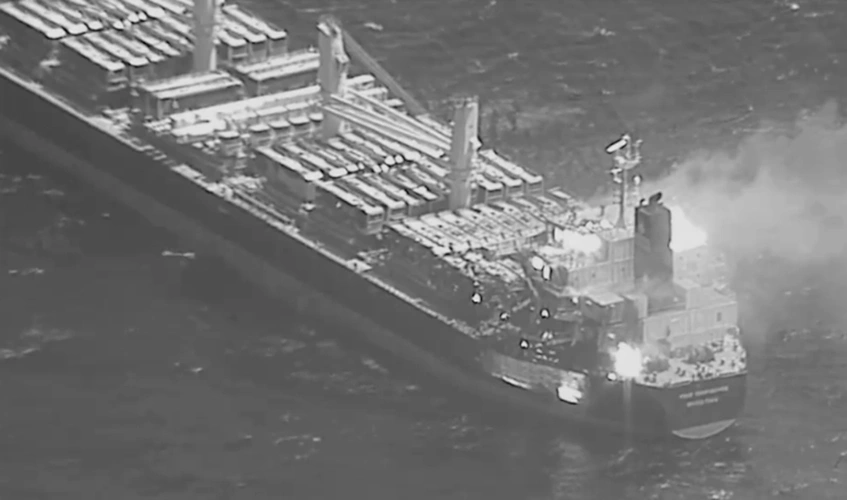
They launched drone and missile attacks on oil facilities, airports, and tankers in the Red Sea. They say this is retaliation for a Saudi blockade and an air strike on Sanaa airport.
Pro-government forces regained control of territory near Bab al-Mandab after a major counter-offensive with Saudi air support. This shift may affect shipping and energy markets.

Iran’s Role and Statements
Saudi deputy foreign minister Rayed Krimly accused Iran of arming, training, and supporting the Houthis. He said Iran violates UN Security Council resolutions.
Iran denies supplying weapons to the Houthis. It says its support is only political and ideological.
Iran’s foreign minister said it is ready to help start talks between Saudi Arabia and the Houthis. This shows a possible move toward de-escalation.
Background: The Yemen Conflict
The civil war began in 2014 when the Houthis removed the government from Sanaa.
The conflict grew in 2015 when a Saudi-led coalition intervened to restore government control.
Since 6 August, at least 1,282 people have been killed and 5,890 injured. The UN reports 201,000 people displaced and a sharp rise in suspected cholera cases.
What to Watch Next
Attacks on both Yemen and Saudi infrastructure show rising regional instability.
Further strikes near the Bab al-Mandab Strait could affect global shipping and energy markets.
It remains unclear whether Iran will intervene or mediate. These developments may shape the future of the conflict and Middle East security.
For more on the Houthi attacks on Saudi airports, see Saudi Minister Vows Serious Response to Houthi Airport Attacks.
For details on the Riyadh airport strike, visit Riyadh Airport Hit by Second Houthi Strike in Two Days.
Source: BBC News
Sources & further reading
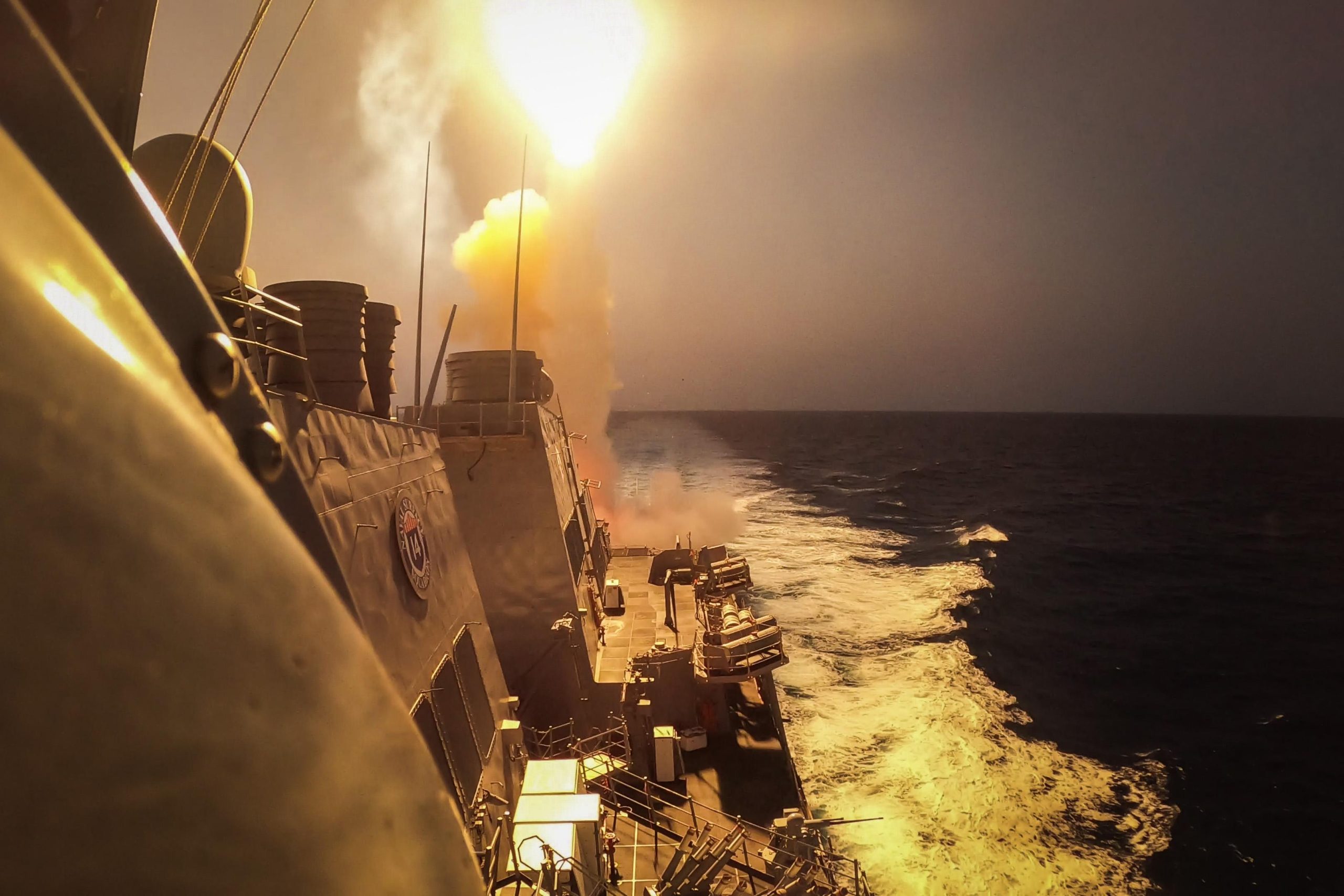
Featured image: USS Carney engages Houthi missiles.jpg by U.S. Navy photo by Mass Communication Specialist 2nd…, Public domain, via Wikimedia Commons. Image source