Featured image: A white skincare product bottle with a pump mechanism is in the foreground. AI-generated image; not a photograph of the reported event.
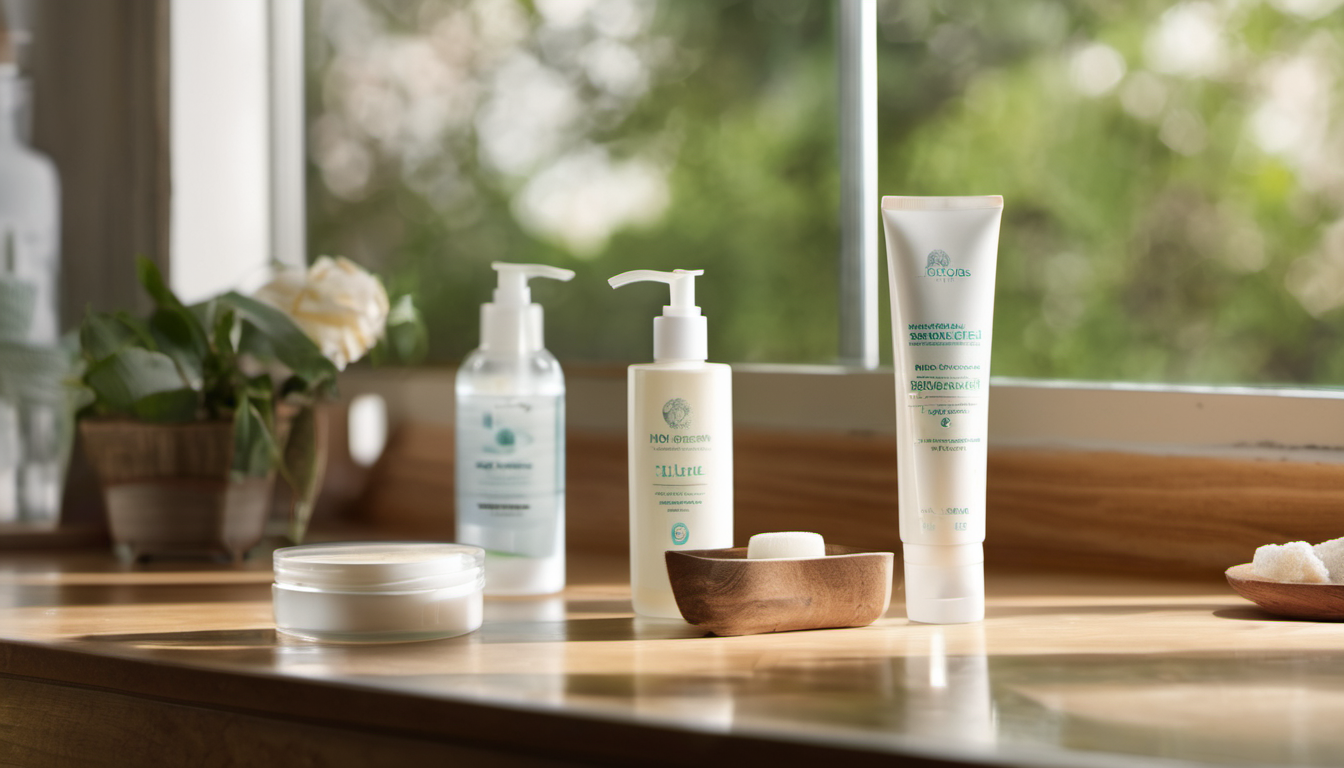
Dermatologists agree that a simple skin-care routine is both effective and sustainable. It centers on three core steps: cleansing, moisturizing, and daily sun protection. This foundational approach is not only practical but also scientifically grounded in dermatological best practices. The human skin barrier is delicate and can be easily compromised by overuse or inappropriate product formulations. When multiple active ingredients are layered without proper understanding, the skin may respond with irritation, redness, or even flare-ups—especially in individuals with sensitive or reactive skin types.
The Basics of a Simple Routine
A basic routine includes a gentle cleanser, a moisturizer, and a broad-spectrum sunscreen. These products cover the essentials for healthy skin. The order of application is critical: cleansing removes surface impurities and sebum, which helps prevent clogged pores and bacterial growth. Moisturizing replenishes the skin’s natural lipid barrier, which protects against moisture loss and environmental stressors. Sunscreen, applied daily, shields against ultraviolet (UV) radiation, which is one of the primary drivers of photoaging and skin damage.
Dr. Kseniya Kobets, a board-certified dermatologist in New York, emphasizes that the simplest morning routine could be a splash of lukewarm water and sunscreen. This minimal approach is especially viable for individuals with normal or oily skin who do not require additional treatments. For nighttime, sunscreen must be removed, followed by hydration. This step ensures that the skin is not exposed to UV rays during sleep, when it is more vulnerable to damage.
Dr. Morayo Adisa, a double board-certified dermatologist based in Chicago, notes that simpler routines are especially helpful for sensitive or reactive skin. Adding too many products increases the risk of irritation because each new ingredient introduces a potential allergen or irritant. For example, fragrances, alcohols, or harsh surfactants in cleansers or serums can trigger inflammation in individuals with compromised skin barriers.
Dr. Kobets explains that when skin is temperamental—such as in rosacea or acne—each new product introduces a potential trigger. Identifying the source of irritation becomes harder when multiple ingredients are layered. This is particularly true for individuals with compromised barrier function, where even minor disruptions can lead to flare-ups or long-term skin changes. Therefore, a streamlined routine not only reduces the risk of adverse reactions but also improves adherence over time.
Simple Routine for Normal Skin
For normal skin, a gentle cleanser and moisturizer with SPF are sufficient. A targeted treatment at night, like a serum or prescription topical, can be added before moisturizer. Normal skin has a balanced sebum production and a stable barrier, making it less prone to irritation. However, even normal skin benefits from consistent hydration and protection.
Dr. Annette Czernik, a board-certified dermatologist in Connecticut, recommends using products that are free from harsh surfactants and synthetic fragrances. These formulations are less likely to disrupt the skin’s natural pH—slightly acidic and optimal for microbial balance and barrier integrity.
Among the recommended cleansers, La Roche-Posay’s Toleriane Hydrating Gentle Cleanser stands out for its use of ceramides and niacinamide, which support the skin’s natural lipid matrix. It is soap-free and pH-balanced, making it ideal for daily use. Similarly, CeraVe’s Hydrating Facial Cleanser contains ceramides and hyaluronic acid, which help maintain the skin’s moisture levels and reinforce the barrier. These ingredients are proven to support skin health and are widely used in clinical settings.
The Youth to the People Adaptogens Supershroom Calm Cleanser is formulated with adaptogens such as ashwagandha and rhodiola, which help reduce stress-induced inflammation in the skin. This is particularly beneficial for individuals whose skin responds to emotional or environmental stress. The gel texture ensures it does not strip the skin, making it suitable for both morning and evening use.
For moisturizers, a product with a balanced blend of humectants and emollients is ideal. Humectants like hyaluronic acid attract and retain moisture, while emollients like ceramides smooth and seal the skin surface. These ingredients work synergistically to maintain hydration without clogging pores.
Simple Routine for Dry Skin
Dry skin benefits from hydrating, non-irritating products. Over-cleansing or using alkaline soaps can worsen dryness because alkaline solutions raise the skin’s pH, disrupting the natural acid mantle and leading to increased water loss.
Dr. Kobets recommends soap-free synthetic detergent cleansers, which are closer to the skin’s natural pH. These cleansers are less likely to strip the skin of its natural oils, which are essential for maintaining hydration. She specifically praises Prequel’s Facial Gleanser for its glycerin content, which acts as a humectant and helps hydrate the skin during cleansing.
After cleansing, applying a rich moisturizer such as CeraVe Moisturizing Cream is essential. This cream contains ceramides, which are lipids naturally found in the skin that help repair and maintain the barrier. It also includes glycerin and panthenol, which provide deep hydration and soothe irritated skin.
For morning routines, a lukewarm water rinse may be sufficient if the skin is not coated with products. This step reduces the need for additional cleansing and helps maintain the skin’s natural moisture balance. The key is consistency—using the same products daily ensures that the skin adapts to the regimen and benefits from long-term stability.
Simple Routine for Acne-Prone Skin
Acne-prone skin often has a weakened barrier and increased moisture loss. Over-treating with strong products can worsen this condition. The skin’s natural defense mechanisms are already under stress, and introducing multiple active ingredients can overstimulate sebaceous glands and lead to more breakouts.
Dr. Annette Czernik warns against using multiple acne-fighting products at once. This can over-stimulate the skin and cause irritation. Instead, a gentle cleanser should be used to soothe stressed skin. A lightweight, non-comedogenic moisturizer like Neutrogena Hydro Boost Water Gel is ideal because it contains hyaluronic acid, which hydrates without clogging pores.
After moisturizing, a single acne-fighting ingredient—such as salicylic acid, benzoyl peroxide, or adapalene—should be applied. Salicylic acid exfoliates dead skin cells and clears pores, while benzoyl peroxide kills acne-causing bacteria. Differin 0.1% Adapalene Gel is a popular over-the-counter retinoid that helps regulate sebum production and reduce inflammation.
Dr. Kobets emphasizes that acne doesn’t require every step to include an acne-targeted product. A balanced routine supports the skin’s natural barrier, which is more effective than aggressive treatments. For example, a weakened barrier may be more vulnerable to irritation than to acne, so prioritizing hydration and barrier repair is often more beneficial than focusing solely on clearing pores.
The #1 Non-Negotiable: Sunscreen
Every dermatologist stresses that sunscreen is essential. UV exposure occurs daily—even on cloudy days or indoors. UV rays penetrate through glass and can reflect off surfaces like water or snow, meaning protection is needed regardless of outdoor activity.
Dr. Czernik says daily use of broad-spectrum SPF 30 or higher is one of the easiest ways to prevent sun damage, pigmentation, and aging. UV radiation contributes to the formation of melanin, leading to dark spots and uneven skin tone. It also damages collagen and elastin, which are proteins responsible for skin firmness and elasticity.
Dr. Kobets recommends broad-spectrum SPF 30 to 50, applied every two hours when outdoors or after swimming and sweating. Reapplication is critical because sunscreen degrades when exposed to sunlight, heat, or water. Mineral sunscreens, such as those containing zinc oxide or titanium dioxide, are often preferred for sensitive skin because they are less likely to cause irritation or clog pores.
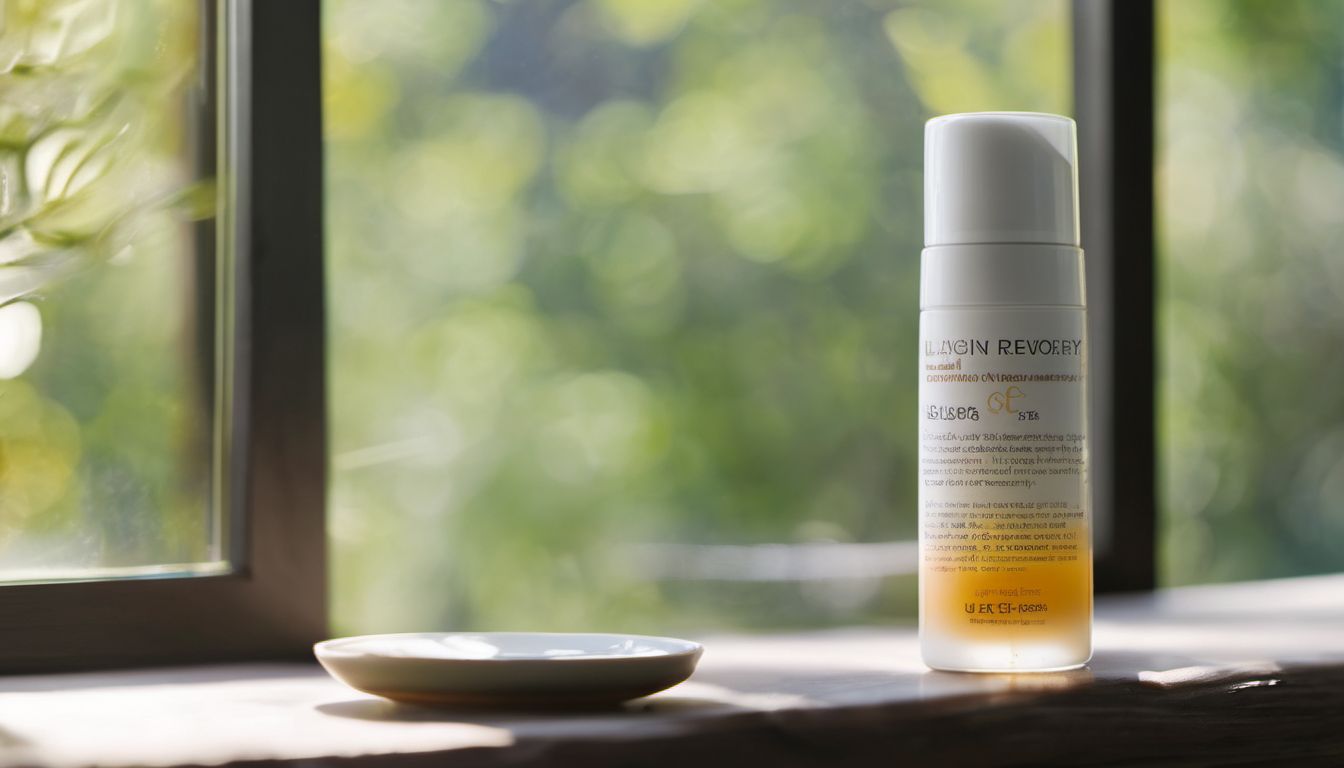
Neutrogena Purescreen+ Mineral UV Tint Face Liquid Sunscreen SPF 30 offers tinted coverage and can serve as both sunscreen and makeup, ideal for individuals who want to avoid multiple products. EltaMD UV Skin Recovery SPF 50 is another top choice—lightweight and gentle, especially for sensitive and rosacea-prone skin. It contains niacinamide and a non-irritating formula that helps reduce redness and inflammation.
Dr. Czernik adds that sunscreen protects the results of other skincare steps. Without it, aging and textural changes may progress faster. For example, a retinoid-based treatment that improves skin texture and reduces fine lines will be less effective if the skin is exposed to UV radiation, which can reverse those benefits.
How to Simplify an Existing Routine
If your current routine feels overwhelming, simplifying it is a valid choice. Dr. Kobets says it’s better to use a few effective products consistently than to struggle with a complex regimen. A routine that is difficult to maintain is more likely to be abandoned, leading to inconsistent results and potential skin issues.
Dr. Czernik stresses that a routine doesn’t need to include every trend or product just because it’s popular on social media. Consistency matters more than variety. For instance, a product that is trending on TikTok may not be suitable for your skin type or lifestyle, and using it may lead to irritation or ineffectiveness.
For normal skin, many ingredients—like hyaluronic acid or niacinamide—are already present in moisturizers. There’s no need for separate serums if the base product already contains them. This reduces the number of steps and the risk of irritation.
If you use a retinoid, apply it at night before moisturizer. Dr. Kobets recommends the ‘sandwich method’: cleanse, let skin dry, apply retinoid, then apply moisturizer if needed. This method minimizes irritation and ensures the retinoid is absorbed effectively without being diluted by excess moisture.
For specific concerns like aging or acne, consult a dermatologist. They can help determine which products are necessary and how to integrate them without overloading the skin. Dermatologists are trained to assess individual skin conditions and tailor recommendations based on clinical observations and patient history.
Ultimately, simplicity improves adherence. A routine that works and is used daily is more valuable than one filled with unused products. The goal is not perfection, but consistency and personalization. When individuals feel confident in their routine and understand its purpose, they are more likely to stick with it long-term.
For more dermatologist-backed advice, see How to Build a Simple Skin-Care Routine.
Explore more on skin health in our Beauty & Skincare section.
Learn about the biggest skin-care trends of 2026 in our News coverage.
For beginner guidance, check out our Healthy Tips guide on building a routine.