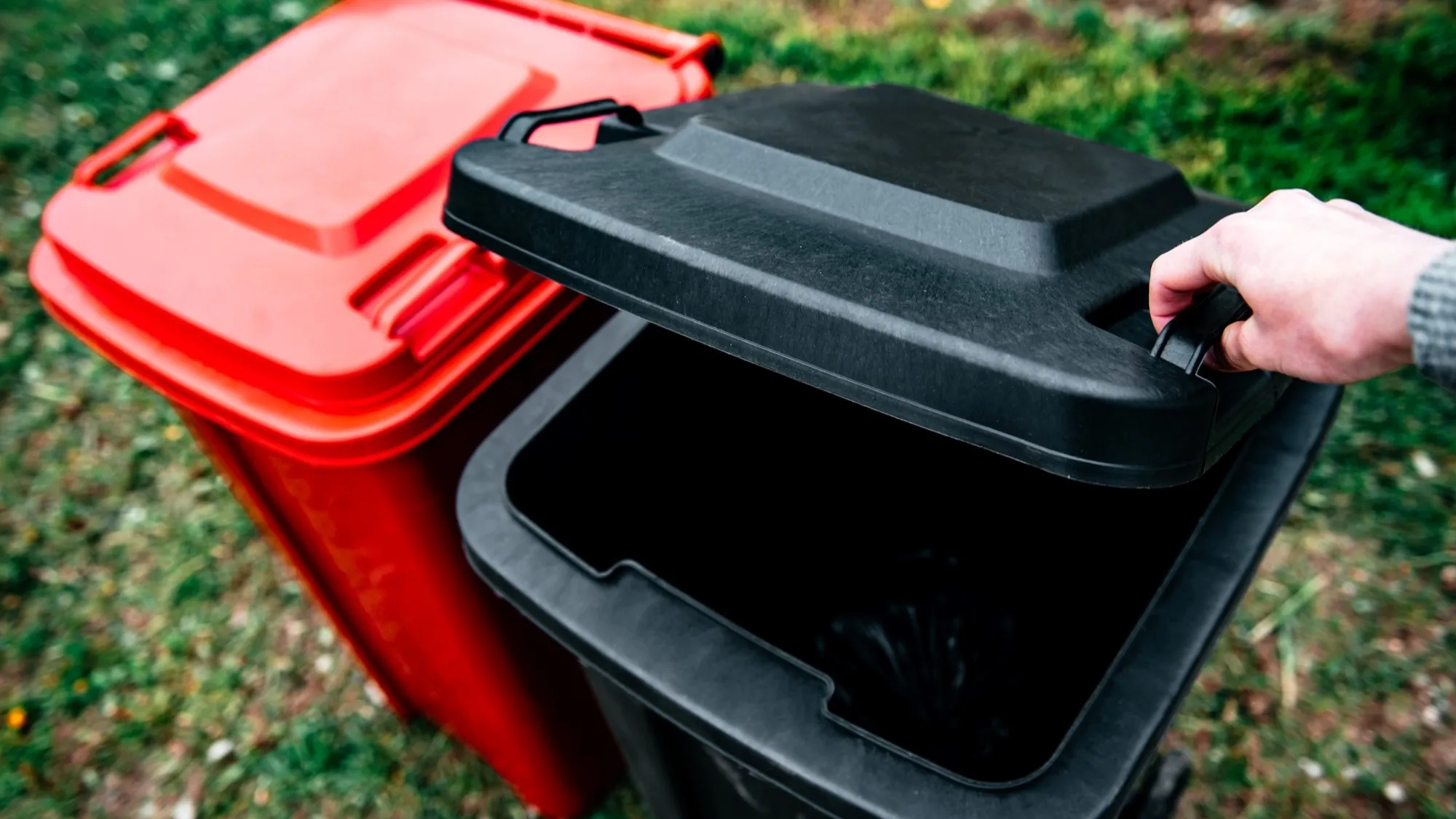
Keeping trash cans clean is a simple yet essential step in maintaining a healthy, hygienic home environment. Food residue, spills, and moisture can accumulate inside a trash can, creating a breeding ground for pests and fostering mold and bacteria growth. Source: bobvila.com.
Why Clean a Trash Can?
Flies and maggots are drawn to decaying organic matter. They lay eggs in damp, food-soaked environments, where they can multiply quickly—especially in warm, humid weather.
Moisture inside a trash can supports mold and mildew. These fungi produce strong odors and can trigger allergies or respiratory issues in sensitive individuals.
Odors from rotting food can linger for days, especially in poorly ventilated areas. A clean trash can removes these smells and prevents them from spreading to other parts of the home.
How to Clean an Indoor Trash Can
Indoor trash cans are often near food prep areas. They collect crumbs and spills, making regular cleaning essential.
Empty the can completely. Remove the trash bag and transfer loose debris, crumbs, or food fragments. Wear rubber gloves if the bag is torn or has leaked.
Rinse the inside and outside with hot water. Use a garden hose or faucet. Hot water loosens grime and food residue.
Apply all-purpose cleaner to the inside. Use a sponge or microfiber cloth to scrub. For tough spots, sprinkle baking soda or spray a mix of equal parts dish soap and white vinegar. Let it sit 5 to 10 minutes before scrubbing.
Disinfect with a commercial spray or hot soapy water mixed with vinegar. This kills bacteria, viruses, and fungi. Wipe the inside with a microfiber cloth or paper towel.
Rinse thoroughly. Pour out soapy water and let the can air dry. Dampness promotes mold. Once dry, add a small amount of baking soda to absorb future odors.
Wipe the lid, rim, and touch points with disinfectant after every bag change. Deep clean the entire can at least once a month. Clean immediately if a bag leaks or spills.
How to Clean an Outdoor Trash Can
Outdoor bins face rain, wind, and temperature changes. These conditions speed up food decay and increase pest risk.
Empty the can and remove all trash bags and debris. Use gloves if the bag is torn or leaked.
Rinse with hot water. A pressure washer works best. If not available, use a garden hose. For maggots, pour boiling water directly. Alternatively, use a 1:3 vinegar-to-boiling-water mix or a 1:1 bleach-water solution.
Use a long-handled scrub brush. Apply all-purpose cleaner and scrub the bottom and sides. For tough spots, sprinkle baking soda or spray a dish soap and vinegar mix. Let it sit 5 to 10 minutes before scrubbing.
Wipe the inside with a microfiber cloth or paper towel. Clean lid and seals to block pest access.
Rinse with a garden hose. Do this on a sunny day. Sunlight kills bacteria and reduces odors. Once dry, add a small amount of baking soda to absorb smells.

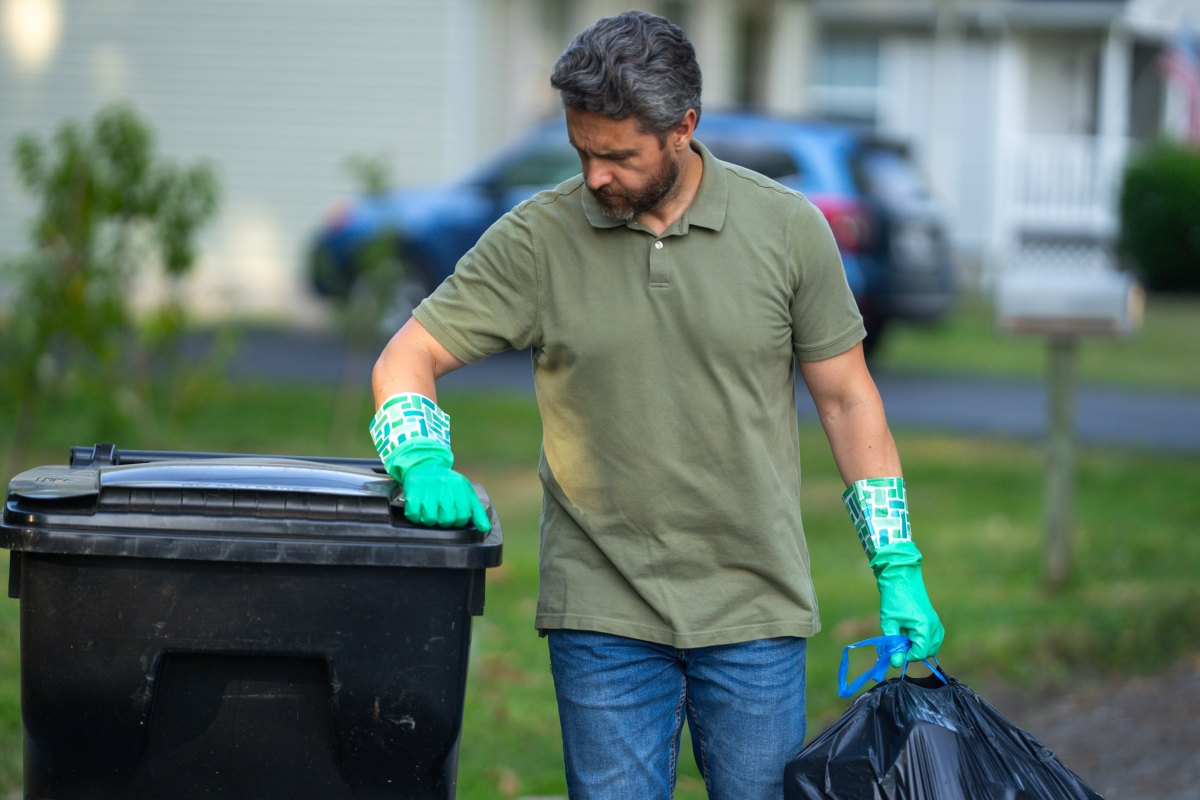
Deep-clean once a month. Increase to every two weeks in hot weather or with heavy food waste. Clean immediately if a bag leaks.
How Often Should You Clean?
Wipe indoor trash can lid, rim, and touch points after every bag change. Deep clean at least once a month. Clean immediately after a leak or spill.
Outdoor bins need monthly deep cleaning. Increase to every two weeks in hot weather or with heavy food waste. This stops food from rotting and reduces odor and pest risk.
How to Prevent Pest Infestations
Pests are attracted to food, moisture, and clutter. The best defense is to remove these sources, not rely on insecticides.
As Kevin Hathorne, lead entomologist at Terminix, explains: Inside the home, sanitation and rapid removal are especially important. I would avoid routinely applying insecticides inside a trash can unless the product is specifically labeled for that use.
Outdoor bins should have tight-fitting lids. Store them away from vegetation, overgrown plants, or clutter that could attract pests.
Use sturdy, leak-proof trash bags. Seal them tightly. Clean any spill area immediately. Avoid leaving food waste near the bin or on the ground.
Inspect the surroundings regularly. Rodents are often drawn to bird feeders, pet food, compost, fallen fruit, or piles of leaves. Remove these to reduce rodent activity.
If infestations persist, use products with insect growth regulators. These interfere with immature insect development. Always follow label instructions and ensure the product is labeled for trash can use.
Final Recommendations
Regular cleaning reduces mold, pests, and unpleasant odors. It keeps your home safer and more hygienic.
Wipe the lid, rim, and touch points after every bag change. Deep clean at least once a month. Increase to every two weeks in hot weather or with heavy food waste.
Hot weather speeds decomposition. Clean more often in summer to prevent rotting food. Perform cleaning on a sunny day to kill bacteria and reduce odors.
Use baking soda at the bottom to absorb smells. It’s natural, non-toxic, and easy to maintain. Add a small amount and refill as needed.
For more product testing and reviews, visit Bob Vila’s product testing page.
Check out the best cleaning tools of 2026 in our best cleaning products list.
For a heavy-duty outdoor option, consider the Toter 96-gallon trash can.
For a smart indoor option, try the EKO Mirage touchless trash can.
Sources & further reading
Featured image: Photo: Natallia via Adobe Stock. Via original publisher. Image source