
Featured image: A man is standing in front of a gas station. AI-generated image; not a photograph of the reported event.
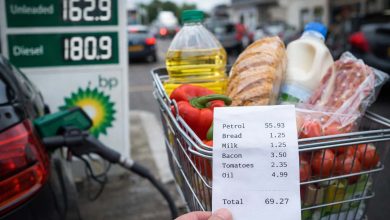
Fuel prices are at all-time highs, and could keep rising, so anything that’ll make a difference is more than welcome. In the past week alone petrol prices have gone up an average of 1.4p while diesel has risen 1.9p a litre. Over the past year it’s far more – with petrol up 40.1p and diesel up 56.6p. Source: becleverwithyourcash.com.
Find the Cheapest Petrol Near You
Supermarkets tend to have the lowest prices, but these can vary massively from town to town. You can now see petrol and diesel prices at stations when looking on Google Maps. A quick search showed a 6p a litre difference between petrol prices at a local Shell (£1.80 a litre) and Texaco (£1.74 a litre) station near me. Petrol stations on opposite sides of the same road can sometimes have massive differences in price per litre — but remember that they’re competing, so the best-priced station will switch all the time.
- Google Maps: Shows real-time prices from petrol stations. Updated via the Government’s Fuel Finder service.
- RAC App: Free to use. Shows prices within two, five, or 10 miles of any postcode. Includes trends and predictions.
- PetrolPrices.com: Requires registration. Search within five to 20 miles. Shows last update date for each station.
- Waze: A navigation app that displays prices at local stations. Supermarkets are often updated directly by retailers. Updated more frequently than some other services.
- Confused.com: Covers 83% of UK stations. Offers a 25-mile radius search. 20 searches per week. Requires login for full results.
Prices are updated rapidly. A station’s price may change within minutes. Tools like Fuel Finder require stations to report changes within 30 minutes of a price shift (as of February 2, 2026).
Work Out if It’s Worth Going Out of Your Way
Traveling to a cheaper station may cost more fuel. The savings must outweigh the extra petrol used.
On motorways, where prices are high, price differences are larger. Ideally, you should choose which station you visit as part of a planned journey, using the tools listed above. Use tools like Google Maps or Waze to plan routes and check prices along the way. This helps avoid unnecessary detours.
Save Fuel by Driving Smarter
Driving habits have a bigger impact than small price differences.
- Reduce weight: Remove items from your boot. Roof racks increase drag and reduce fuel efficiency.
- Don’t always fill up: Half-filling your tank reduces weight. It can also help you reach a cheaper station.
- Use aircon wisely: Air conditioning uses fuel. Open windows only below 50mph. Above that, close windows and turn on aircon.
Halfords suggests balancing aircon use with aerodynamics. This helps reduce fuel consumption without sacrificing comfort.
Why Driving Habits Matter More
Users report that driving style has a greater impact than saving a few pence per litre.
One user said: ‘Drive less. Accelerate gently, conserve momentum by reading the road ahead and braking only as necessary.’
Another noted: ‘I get 10% better mpg than my wife, driving the same car on the same journey.’
These insights show that efficiency comes from how you drive, not just where you fill up.
Some services, like Confused.com, face delays in updates. Users report prices being 4–5 days out of date. This makes real-time data less reliable.
Waze and the RAC app are generally more current. They rely on user input and retailer updates.
For self-service pumps at Sainsbury’s, ensure your card has at least £100 for pre-authorisation. Otherwise, transactions may be declined.
While fuel prices are high, the government has introduced price visibility on Google Maps. This helps consumers compare prices in real time.
For more on fuel savings, see Google Maps and Waze Now Show UK Fuel Prices.
These tools and habits offer practical, evidence-based ways to manage fuel costs in a high-price environment.