


(Image credit: Paul Natkin/Getty Images)
When people discuss slide guitar, they often presume the guitar will be open-tuned to a chord. This is fair enough as it’s a time-honoured method that allows a lot of flexibility.
However, unless you’re going to play the whole gig in an open tuning, it might feel a bit excessive to keep retuning or to carry an extra guitar for a couple of songs. If you’re just looking to play solos, or even just getting into slide, it isn’t necessary to go to such lengths.
Bear in mind that in standard tuning the second, third and fourth strings give us a G major triad, with a 4th interval available by playing the first and second strings together, and a 5th available on the fourth and fifth strings, so there are more than a few authentic-sounding licks available.
If we add in the convenience of the pentatonic shapes also being available on the fretboard as usual, then I think we have a pretty compelling case for staying with standard tuning – at least for now.
We’d be in pretty good company. Muddy Waters, Ariel Posen and Blackberry Smoke’s Charlie Starr all favour standard tuning for slide playing.
However, we need not limit ourselves here – there are lots of Duane Allman, Lowell George and even George Harrison licks you can emulate once you’ve developed enough technique.
On that subject, a light touch with a medium/lightweight slide should work with the average action and string gauge. You can experiment with wearing the slide on the second, third or fourth finger of your fretting hand.
We’d suggest trying the first finger, too, but this is best used to mute behind the slide and control unwanted ringing. Be prepared to put some practice time in, but you will be rewarded! Hope you enjoy and see you next time.
Blues Headlines: Standard Tuned Slide – YouTube
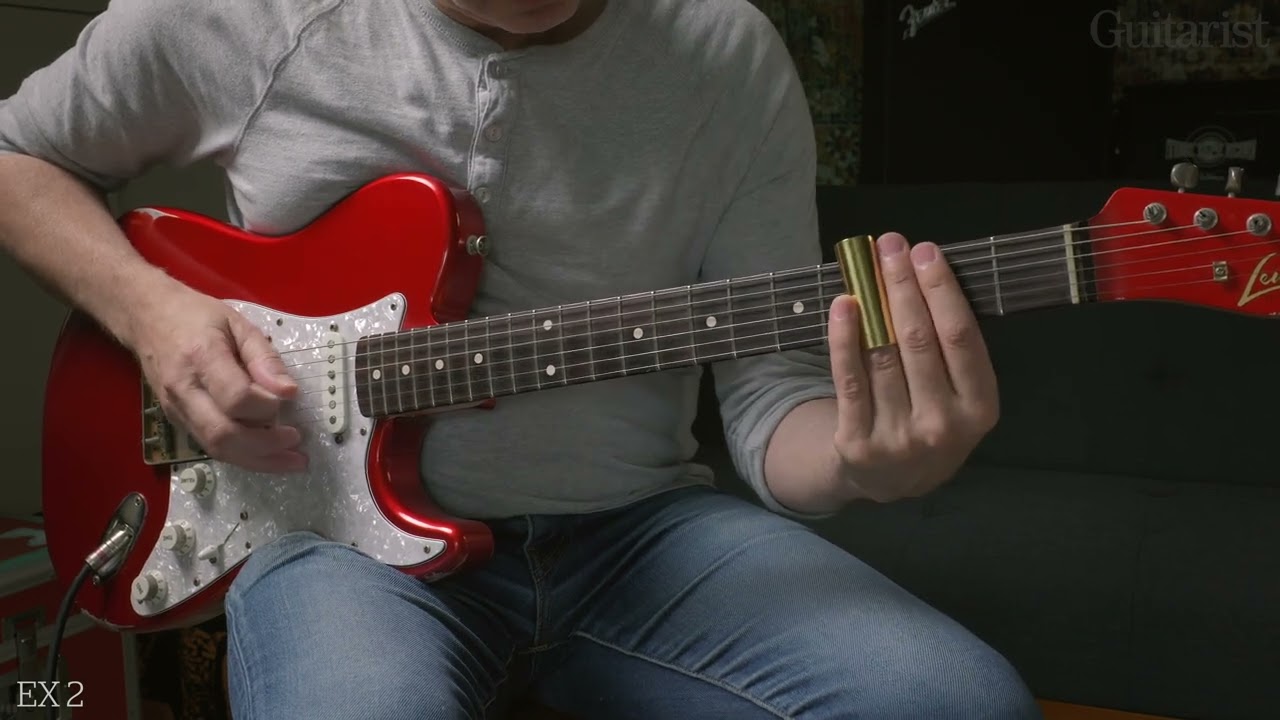

Example 1
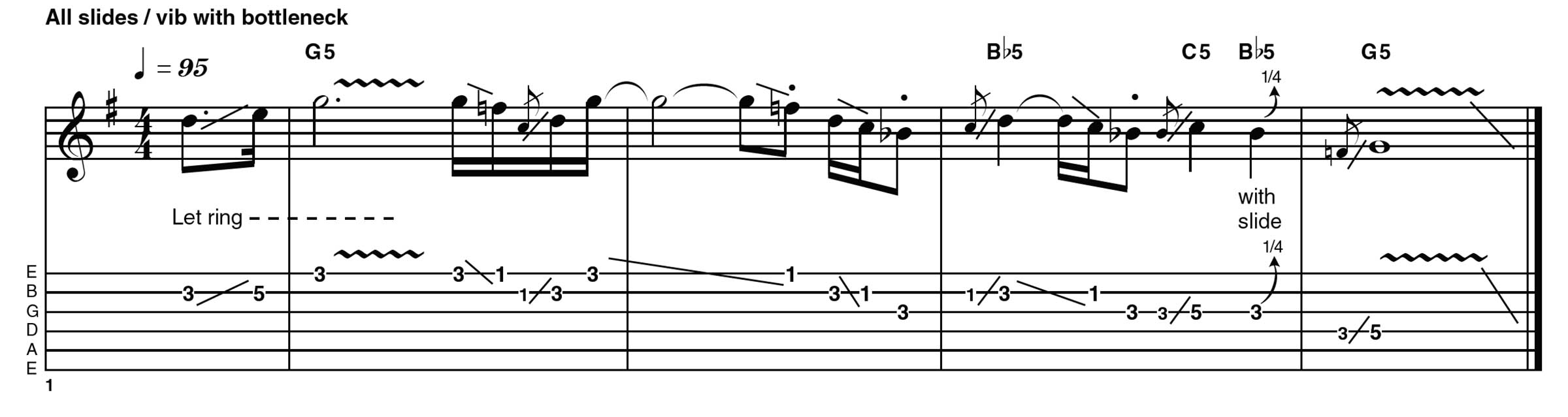

Using the 4th interval available on the first and second strings, this first example stays very much ‘in the box’ between the 1st and 3rd frets until the end of the phrase.
Note there isn’t automatically vibrato on every sustained note, plus there are a few staccato notes, facilitated mainly by muting with the picking hand. You’ll also see there’s what we would normally call a quarter-tone bend. This is executed by moving the slide slightly sharp instead.
Example 2

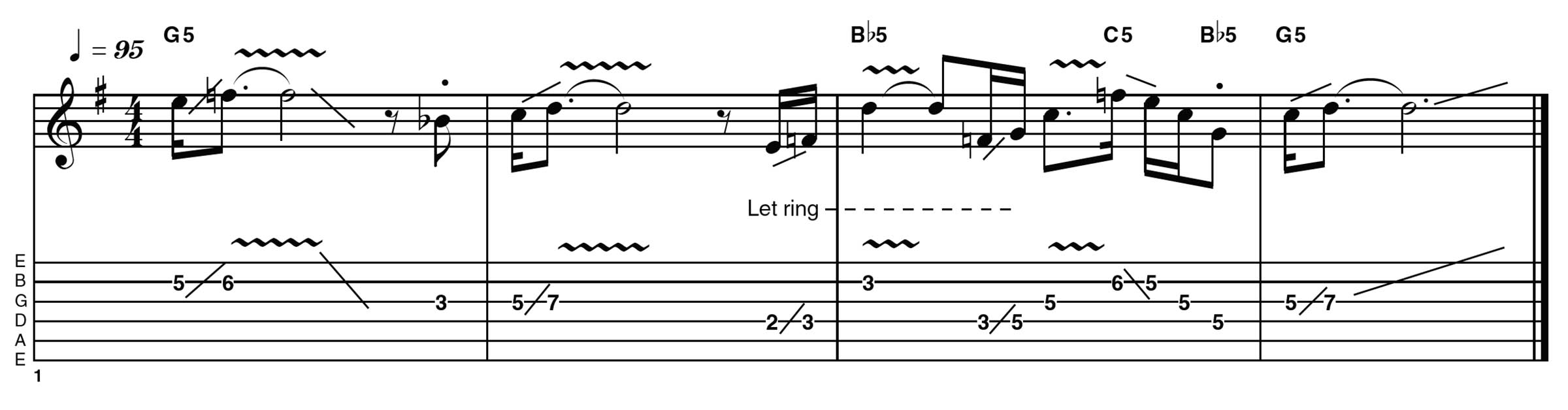
Shifting up the fretboard slightly, this example kicks in with a sustained dominant 7th (F), before making use of the triads available when playing the second, third and fourth strings together.
We move through a Bb, then a C triad, with a cheeky sus4 in the shape of that F, before holding a sustained D, which slides slowly upwards in anticipation of the next phrase. Keep an eye on details such as staccato and ‘let ring’ instructions.
Example 3

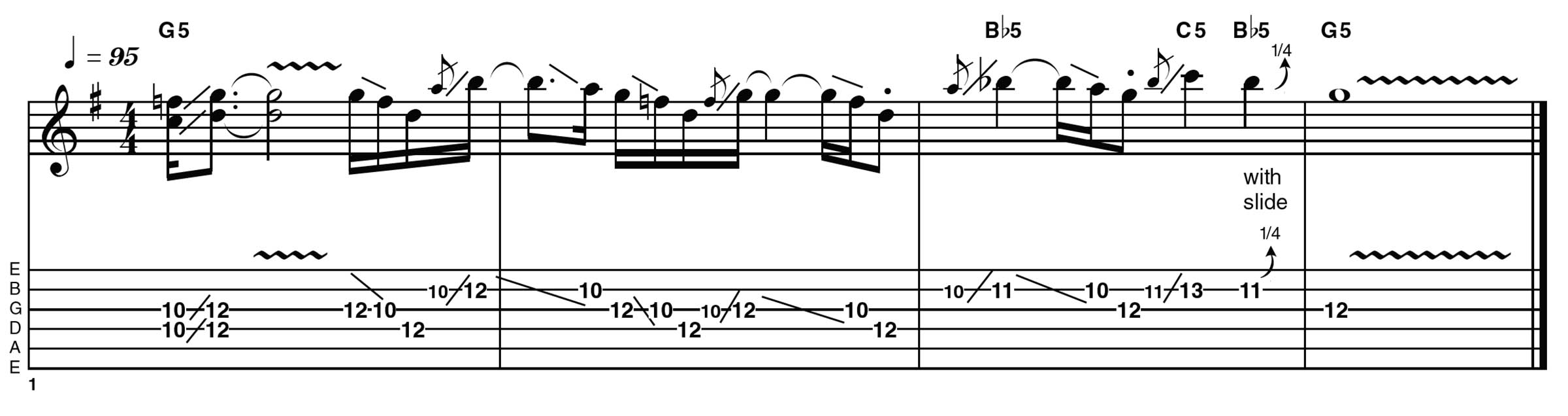
Starting with some doublestopped 4ths on the third and fourth strings played together, this example stays exclusively between the 10th and 13th frets.
Look out for details such as vibrato (or not!), staccato hits, a G major triad linking bars 1 and 2, plus a quarter-tone ‘bend’ near the end of the phrase.
This one is a little trickier, especially where it moves to Bb, but it demonstrates the available vocabulary in this zone of the fretboard, plus being aware of the backing chords.
Example 4

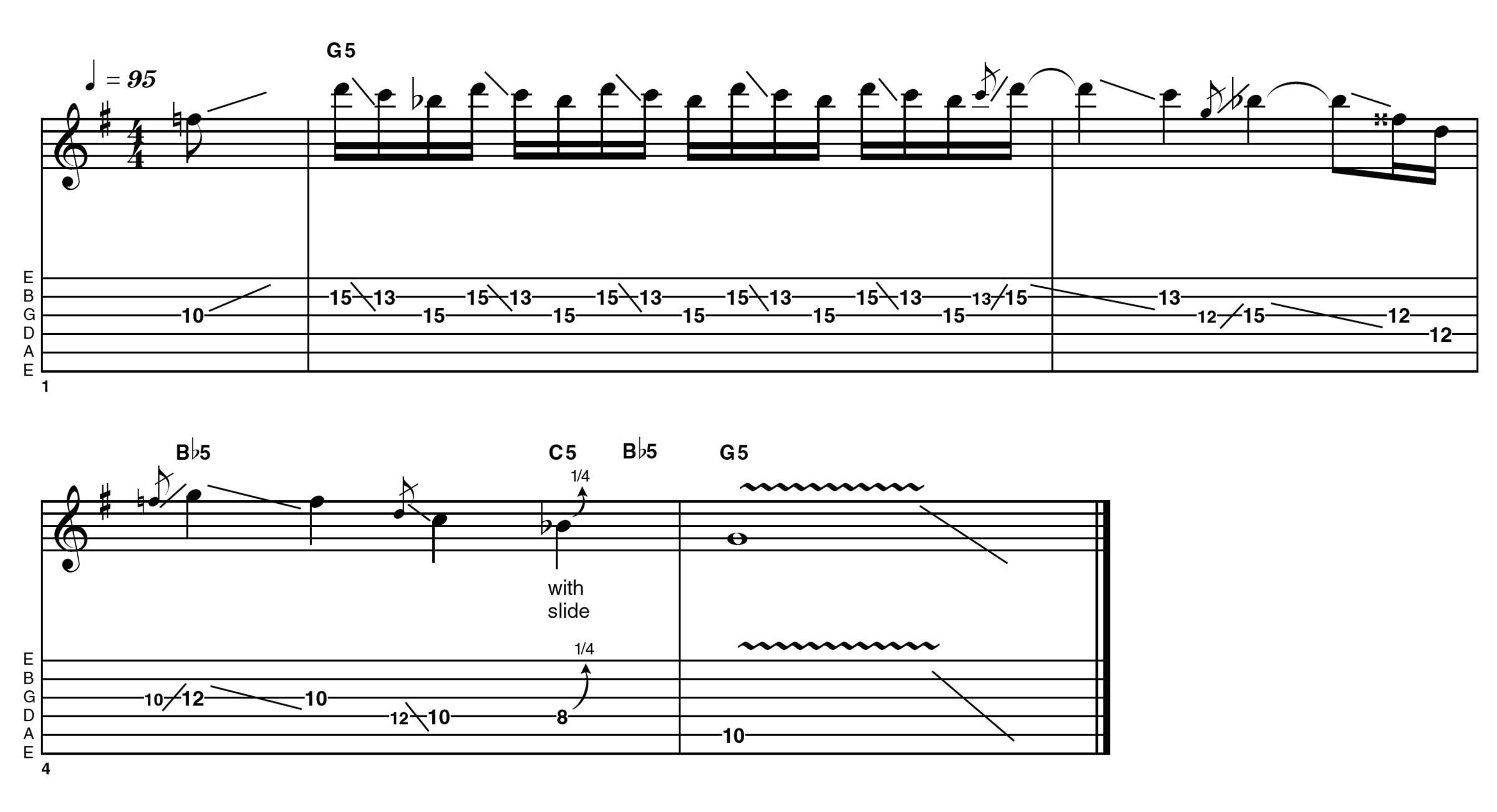
Hear it here
Little Feat – The Last Record Album
Lowell George mainly used an open A tuning, but this gave a major triad on the fourth, third and second strings just like regular tuning. It’s perfectly possible to steal a few ideas from here without having to retune.
Check out Romance Dance and you’ll hear that you don’t need to be all over the fretboard, just adding some touches and sustained notes here and there to make your presence felt. Elsewhere, check out Long Distance Love and Mercenary Territory.
Ariel Posen – Bannatyne
Ariel Posen – Dead To Me (Live) – YouTube
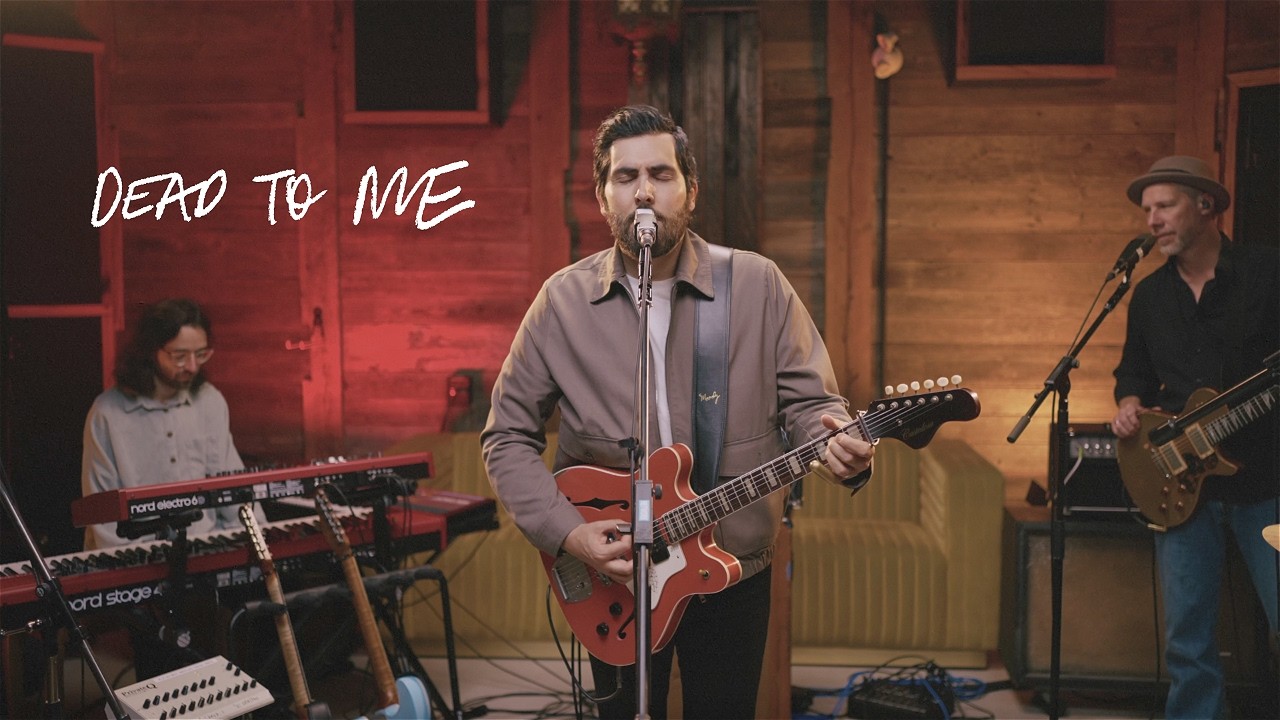
The slide player of 2026 would be well advised to check out this guitarist’s work. There are some great ideas to be taken from Future Present Tense, Dead To Me (with its cool vibrato/detune effect) and Shed Your Skin.
This is something to aspire to, rather than expect to emulate straight away, but with the right attitude and some vintage-style fuzz effects, you may be surprised how quickly you can get into the ballpark. Give it a go.
George Harrison – All Things Must Pass
George Harrison – My Sweet Lord – YouTube

Known for his nimble and melodic playing generally, it’s no surprise that George was just as meticulous with a slide. Check out My Sweet Lord (with its lovely multi-tracked acoustics), Isn’t It a Pity and I Dig Love, which sees him cut loose with some deft phrasing.
The message from George’s playing is to add to the song without feeling the need to display technique for technique’s sake. As the old saying goes, if you don’t have the songs, you don’t have anything!
- This article first appeared in Guitarist. Subscribe and save.