“I don’t usually start by trying to make a beautiful image,” says illustrator Sun Bai, which is a strange thing to hear from an illustrator whose work is undeniably gorgeous – soft, chalky colour, compositions that could sit in a gallery as easily as a magazine spread.
However, everything starts to make sense once she explains what actually comes first: “If the illustration is centred around a character, I first think about who they are. Why are they here? What just happened to them? Where are they going next? What are they feeling at this moment? Once I have the characters, the space gradually begins to appear around them, and only then do I think about colour.”
That methodology shows up throughout her portfolio. Take the illustration for Éditions Sulo, Ce dont elles parlent ou rien – a group of women mid-conversation around a table, wine glasses and half-eaten plates scattered between them, everyone leaning in or looking away at slightly different angles, as though caught mid-sentence – nothing dramatic is happening.

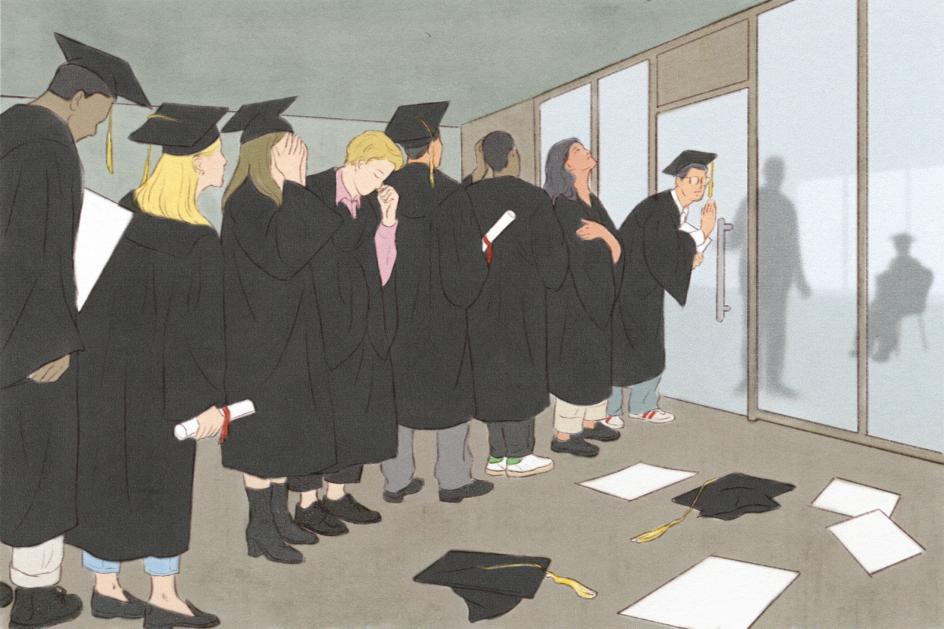
New Grads, Business Week
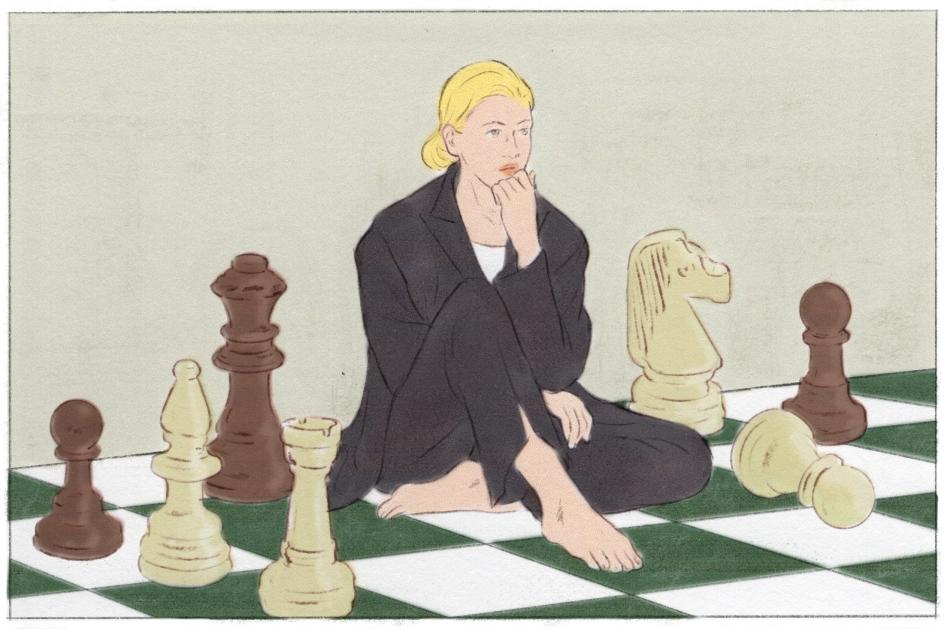
What to do in a World Obsessed With Status, Business Week

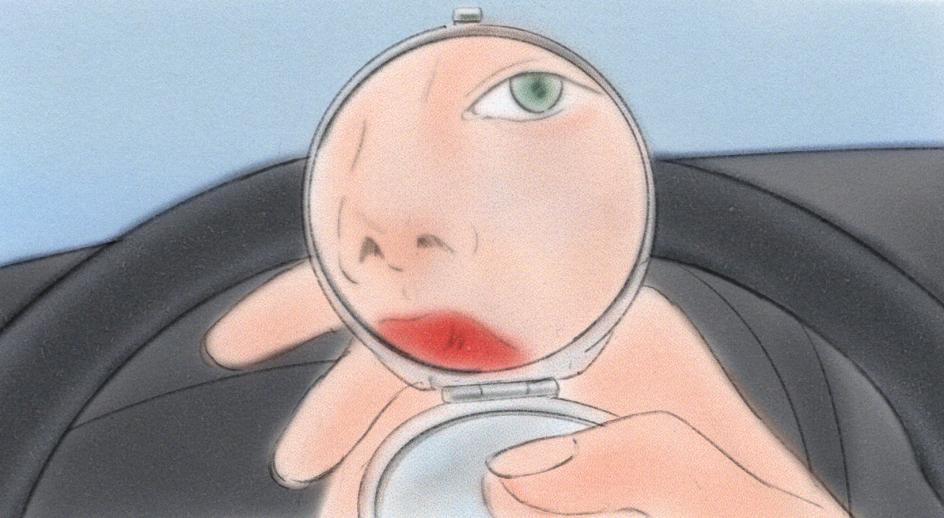
Under the Skin, TROISCOULEURS
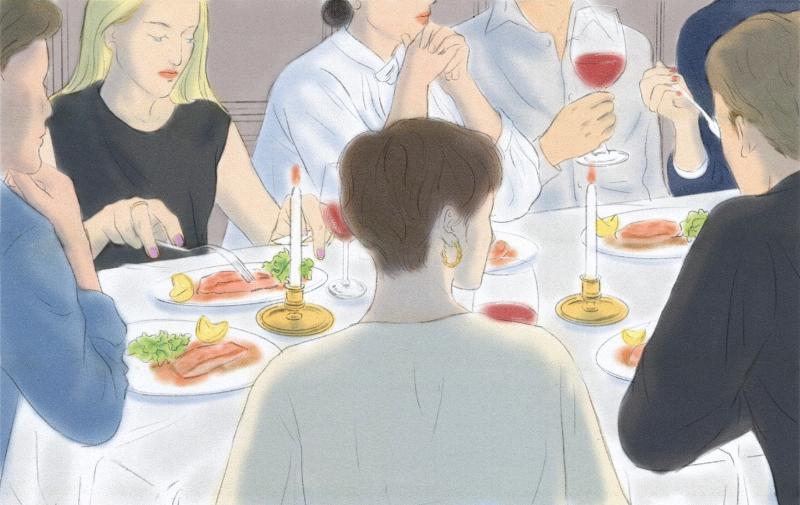
Or the BusinessWeek illustration of a graduation ceremony, capped and gowned figures queuing behind a glass wall, discarded mortarboards and papers littering the floor behind them to depict how the ceremony has curdled and everyone’s feeling anxious about entering the workplace. Elsewhere, a woman sits cross-legged on a chessboard floor among oversized pieces, chin resting on her hand, weighing up a move that isn’t obviously about chess at all. A candlelit dinner scene for CitizenK turns a plate of food and a ring of half-visible faces into something closer to a held breath than a meal. Even her kitchen scene for Éditions Sulo, peppered with green cabinetry and gingham tablecloth, tucks in a watching cat and subtle tension beneath the familiar domestic interior.
Bai grew up in Shenyang, China, studying painting at a Fine Arts school before continuing her studies in France, where illustration and comics gradually drew her in. “I realised these are the forms of storytelling that feel the most natural to me,” she says. She now moves between editorial illustration, commercial work and comics – including Pelícanos eléctricos en los lagos, published earlier this year – describing the mix as something that “constantly inspires” itself.

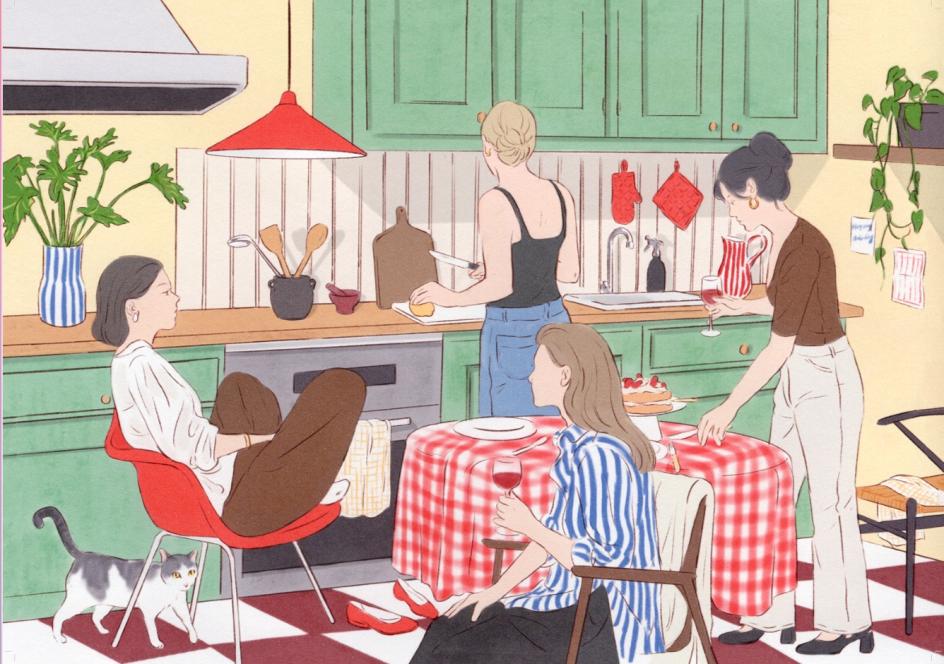
Éditions Sulo-dont elles parlent ou rien


Pour L’amour de l’eau fraiche, M Magazine

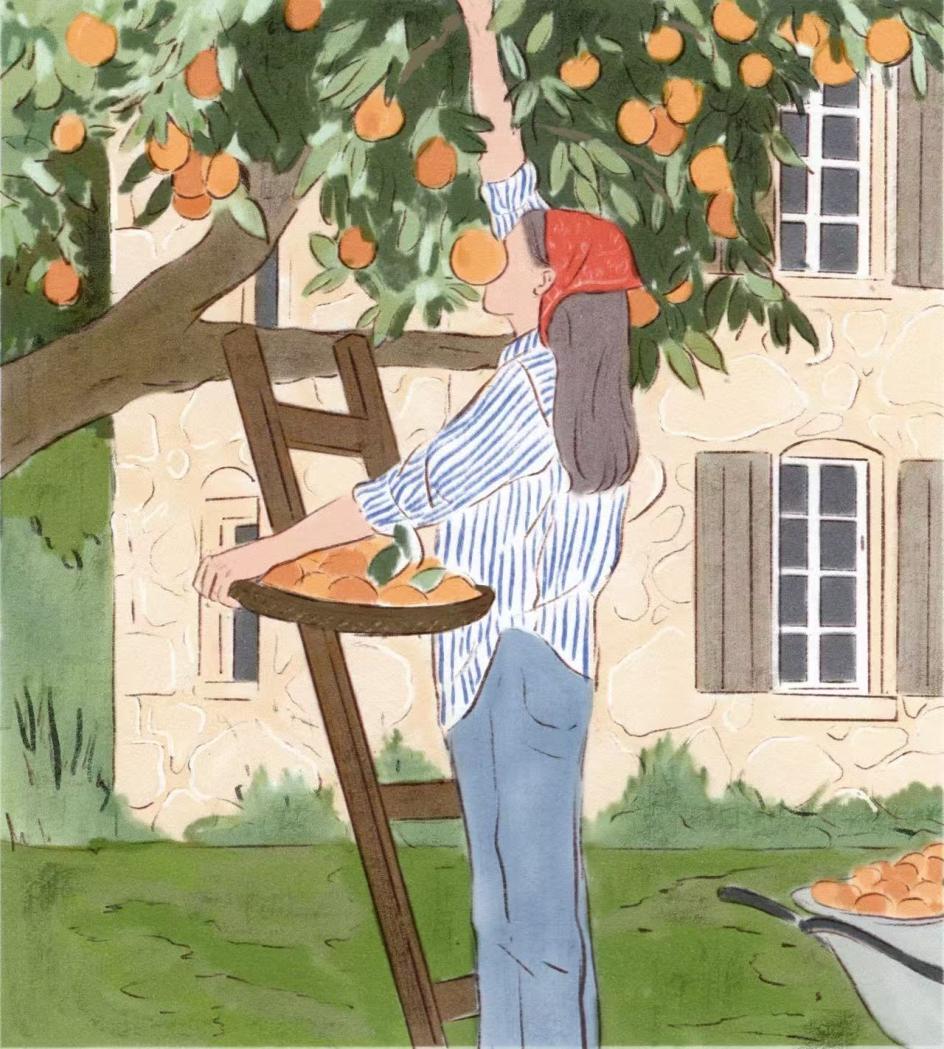
In the Shade of the Orchards, Telo Magazine

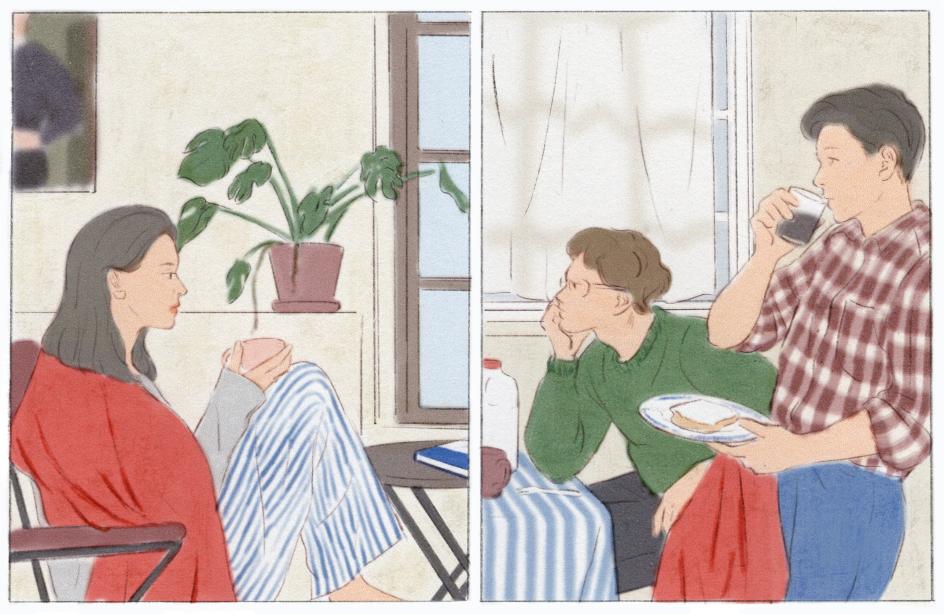
A Literary Love Triangle Like No Other, The New York Times
Tellingly, her reference points come from outside of the illustration medium. “Cinema and literature have probably influenced me much more,” she explains. “When I’m drawing, I’m usually not thinking about a still image. I’m thinking about a single moment from a story, one that exists within a continuous flow of time.” That cinematic eye is easy to spot in comic panels like the one from Pelícanos, where a phone buzzing on a nightstand, a hand reaching for it, and a close-up of an eye are cut together with the rhythm of a film scene.
When asked to name two favourites, she picks out the Éditions Sulo piece and Pelícanos eléctricos en los lagos itself, which she describes as the story of |someone living between different realities.” Both share the same tone and intention. “I enjoy drawing moments where nothing dramatic is happening, leaving space for the reader to imagine everything that surrounds them.”

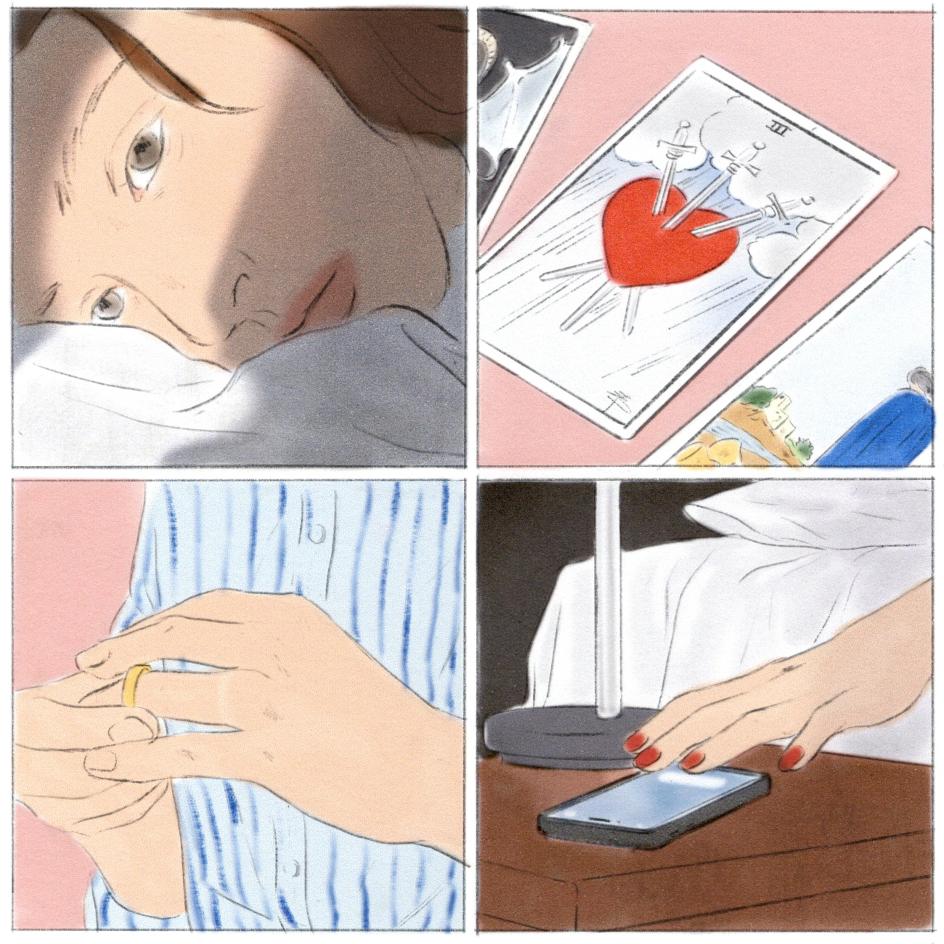

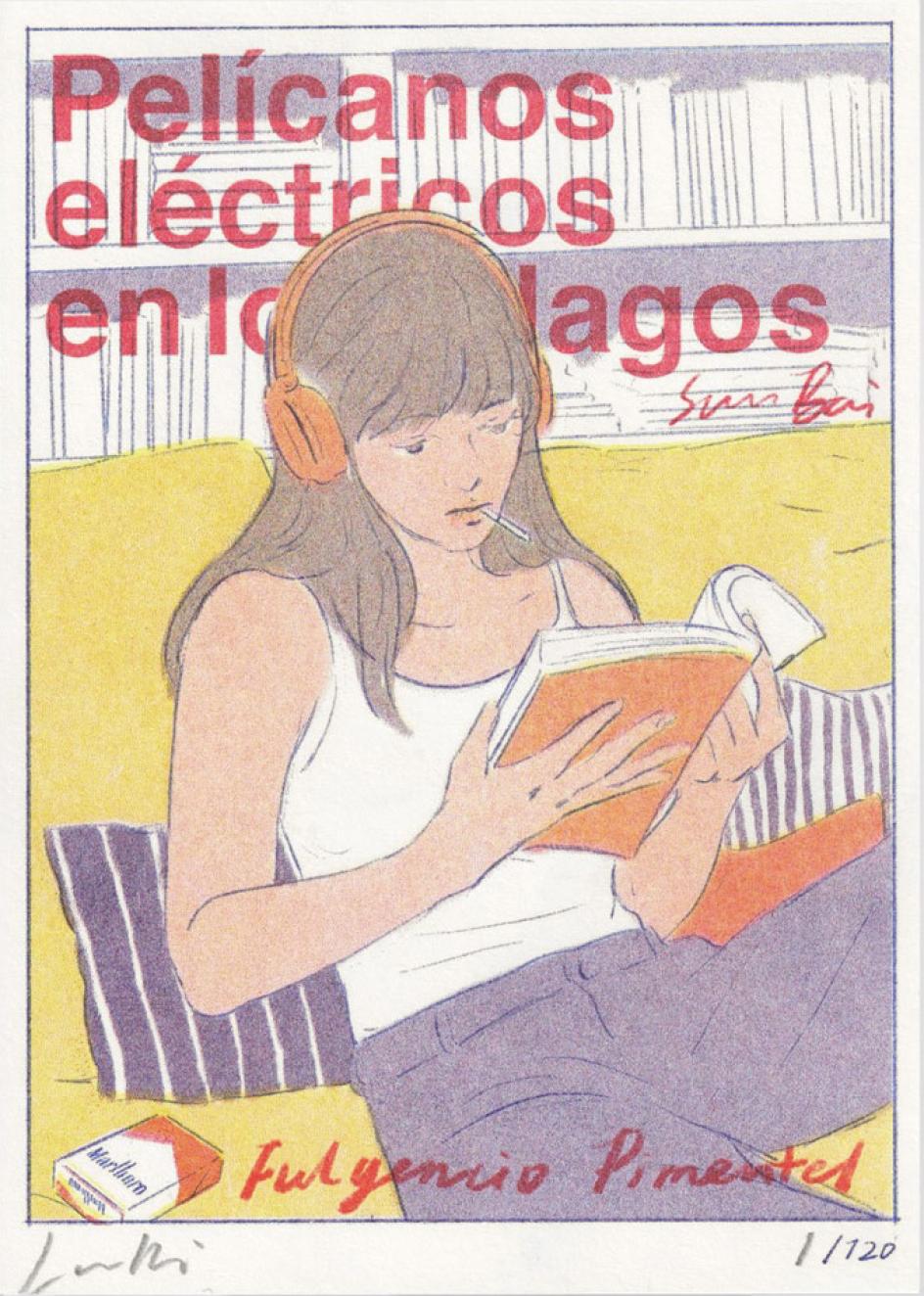

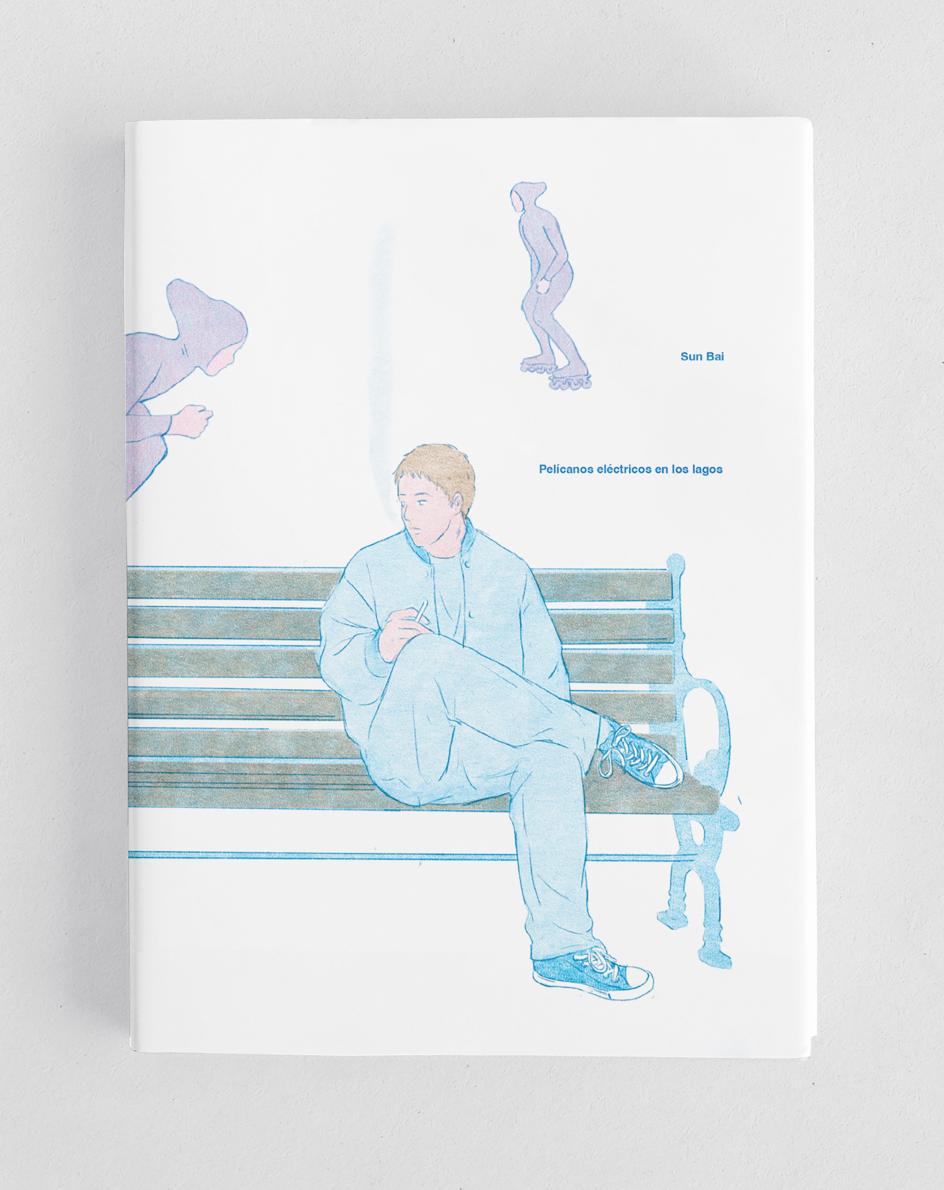
Pelícanos elétricos en los lagos, comic published by Fulgencio Pimentel, 2026
That ethos seeps directly into what she hopes people take from her work. “I hope people respond to the things that aren’t shown or told,” she says.
“If they begin to imagine what happened before the image, or what might happen after it, then I feel the illustration has already done its job.” Looking ahead, she’s deep into her next comic while continuing editorial work alongside it, with animation, film posters and fiction cover illustration all on her list of things still to try. As she puts it: “I’ll keep finding new ways to tell stories.”