Iran-US peace deal: overview
- Peace deal unlikely to significantly reduce food prices in short term
- Long supply contracts delay price changes reaching consumers and retailers
- Damaged gas infrastructure may keep food prices up
- Lower crude oil prices may reduce vegetable and palm oils demand for biofuel
- Plastic packaging costs falling faster than food ingredients after conflict
After months of negotiations, the US and Iran have agreed on a deal to end the war.
The deal, according to US President Donald Trump, includes the reopening of the Strait of Hormuz, a vital trade route for both oil and fertiliser. It is scheduled to be signed in Switzerland on Friday.
High energy and fertiliser prices have impacted the food sector, making production more expensive. Oil prices in particular have pushed up demand for vegetable and palm oils for use as biofuels. Even plastic packaging has been impacted, as a significant chunk of the world’s oil output is used in plastic production.
If the deal is signed on Friday as planned, the war will be over, at least for the time being. How quickly will the food sector recover?
Food prices unlikely to decline significantly
Food prices are unlikely to go down significantly as a result of the peace deal, at least in the short term, suggests Stephen Butler, CCO and co-founder of AI food commodities prediction platform ChAI. The impact of the deal is unlikely to be seen by consumers in their weekly shop.
Prices “may not necessarily go up from where they are, but you won’t see a big drop,” he says.
This is the case for a number of reasons. Firstly, it takes a while for the impact of events such as the peace deal to filter through the food supply chain. Many major food manufacturers will have long-term contracts, meaning that prices are already locked in for around six to 12 months.
Secondly, the ability of fertiliser to travel through the Strait of Hormuz is also unlikely to have short-term impact on food prices, suggests Butler. It may impact next year’s crops, but in the current crop year it is too late to make any difference.
It is important to note that the war’s upward pressure on food prices, with a few exceptions (see below), has been limited.
Alongside ingredients themselves, energy is a crucial factor in food production. While oil prices are already falling, it is gas where the pressure will continue to be felt.
Damaged gas infrastructure will continue to pressure food
The supply of gas from the Middle East is a bigger issue for the food industry than oil, says Butler. Natural gas is a key component of fertiliser.
The end of the war will not solve issues related to the gas supply, he suggests. These issues are not only about transit through the Strait of Hormuz, but about infrastructure.
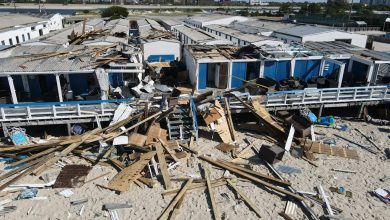
Drone strikes in the early part of the war have damaged gas installations across the region. The US-Iran peace deal will not fix this problem – repairing these installations may take years.
European gas production is also at a five-year low, which may push gas prices higher.
Falling oil price could impact food used for biofuels
During the Iran War, the price of many oils, such as palm oil and sunflower oil, were pushed up by high demand. This is because they were used as biofuels to replace crude oil, the price of which had shot up during the war.
The price of crude oil reached its height in early April and has been edging down since the beginning of June. A deal has been expected for some time, explains the director of market reporting at commodity intelligence platform, Expana. Now that the peace deal has been agreed, the price of crude oil is falling even further.
Butler is confident that the price of palm and soybean oil will fall in response to this.
Because such products are highly correlated to crude oil, the fall of the price of crude has the potential to bring these prices down.
Plastic prices beginning to decline
Butler is more optimistic about prices for plastics used in food packaging, which were impacted by the war. These prices have already begun to fall.
In the early stages of the war, there was a “hoarding mentality”, suggests Butler, due to the fact that many chemical companies based in Asia were unable to deliver on contracts because of high oil prices.
As oil prices come down, the chemicals sector will be able to ramp up production on plastics.
In short, “plastics and packaging prices will be more likely to drop quicker than food ingredient prices”, Butler predicts.
An uncertain future
Even if the peace deal goes through without a hitch and the war does not resume, long-term damage has been done to energy infrastructure and the food sector will not recover overnight.
And even for the prices that are directly impacted by transit through the Strait of Hormuz, it is unlikely that a peace deal will create an instantaneous easing of high prices.
The deal could lead to some positive impacts – a drop in prices for edible oils and plastics, for instance – but overall, it will likely be months before positive change is seen.