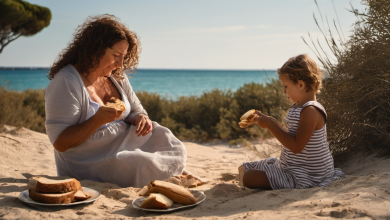
Featured image: A man with a beard and gray hair is sitting at a wooden table. AI-generated image; not a photograph of the reported event.
Tui, Europe’s largest travel company, says rising uncertainty from the Iran conflict and high living costs is pushing holidaymakers to book trips at the last minute. Source: theguardian.com.
What Happened
In the weeks after the outbreak of the war at the end of February, Tui recorded a temporary drop-off in customers wanting to travel to Cyprus or Turkey.
The company described the market as ‘volatile’ during that time.
Key Financial Impact
The Iran conflict has cost Tui €60m so far.
Two cruise ships, Mein Schiff 4 and 5, were stranded in Dubai and Qatar when the war started.
They couldn’t pass through the Strait of Hormuz, halting operations.
The company says this led to losses from repatriation and lost income.
Quarterly Losses
Tui’s markets and airlines division swung to a €17m loss in its third quarter from a €50m profit a year earlier.
Changing Travel Behavior
Travel decisions are now delayed due to economic uncertainty and inflation.
Sebastian Ebel, Tui’s CEO, said: Travel remains relevant, but timing has shifted.

Geopolitical tensions, high fuel prices, and consumer caution have changed how people plan trips.
Shift to Cooler Destinations
Despite heatwaves in western Europe, summer holiday demand has grown in the past four weeks.
Ebel noted many destinations are cooler than Germany, making them more attractive.
Emerging Travel Trends
Some holidaymakers are choosing shoulder seasons to avoid heat.
Tui now offers cruises to Heraklion in Crete in November.
The company is discussing with local partners whether restaurants can stay open during that month.
Hotels have invested in both air conditioning and heating to improve comfort in cooler weather.
What to Watch Next
Tui will monitor demand as the Middle East situation evolves.
Its focus on off-peak months may reflect a broader shift in travel habits.
For more on Tui’s travel operations, see Tui Travel or read about the Iran conflict in The Guardian’s coverage.