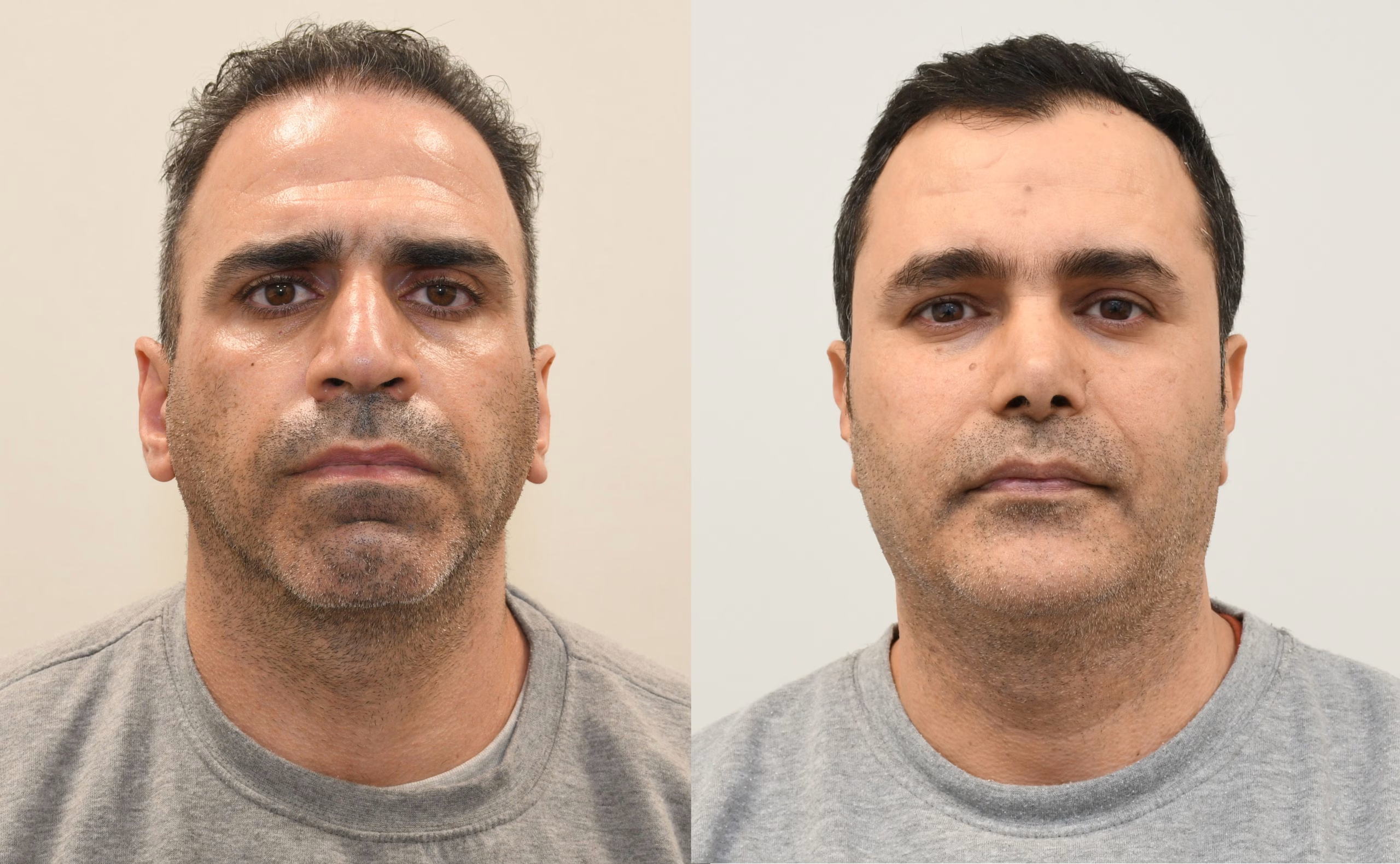
Two Iranian men have been found guilty of spying on UK journalists and a lawyer, with one planning a violent attack on a target.
What Happened
He visited addresses linked to journalists for Iran International, Mojtaba Pourmohsen, and Kambiz Hosseini. He also targeted Jonathan Turner, a founder of UK Lawyers for Israel.
His actions included taking photos and videos of the individuals. He used online tools such as ChatGPT to gather information about them.
Farhad Javadi Manesh was also convicted of conduct likely to assist Iran’s intelligence service. He assisted in planning the operation.
Shapoor Qalehali Khani Noori, 57, was cleared of all charges after a 19-hour jury deliberation.
Manesh and Noori were acquitted of surveillance and reconnaissance with the intent to commit serious violence against a person in the UK.
Key Facts
- Mostafa Sepahvand planned a physical violent attack on at least one target.
- Surveillance included visits to private addresses and digital research using AI tools.
- Both Sepahvand and Manesh were promised rewards for sending intelligence to Iran.
- The operation was aimed at individuals critical of the Iranian regime.
- Prosecutors say the case shows Iran’s use of proxies to target dissidents abroad.
Prosecution Statement
Frank Ferguson, chief Crown prosecutor of the CPS’s Special Crime and Counter Terrorism Division, said the operation was ‘calculated’.
He stated that Sepahvand was willing to go beyond surveillance to carry out serious violence.
He added that the defendants were stopped before any attack could occur.
He emphasized that the CPS is actively monitoring such threats and works with Counter Terrorism Policing to respond.
Why It Matters
The case highlights the reach of foreign intelligence operations into the UK.
It shows that individuals critical of authoritarian regimes may be targeted through surveillance and threats.
It underscores the importance of protecting freedom of expression and journalistic integrity in the UK.
It also reveals how digital tools like ChatGPT are being used in espionage activities.
Limitations and Open Questions
There is no evidence that any actual violence was carried out.
It remains unclear how many individuals were targeted or how widespread the surveillance was.
The full scope of Iran’s influence through proxies in the UK is not yet known.
There is no confirmation of whether other individuals or organisations are at risk.
Further investigation is needed to assess the broader implications of such operations.
The case does not confirm whether similar activities are ongoing or have been planned elsewhere.
It is not known if the use of AI tools in espionage is a growing trend.
The legal and security implications for UK citizens remain under review.
More information will be needed to determine whether this was an isolated incident or part of a larger pattern.
For more on this case, see the original report from the Independent.
Sources & further reading
Featured image: original publisher image. Via original publisher. Image source