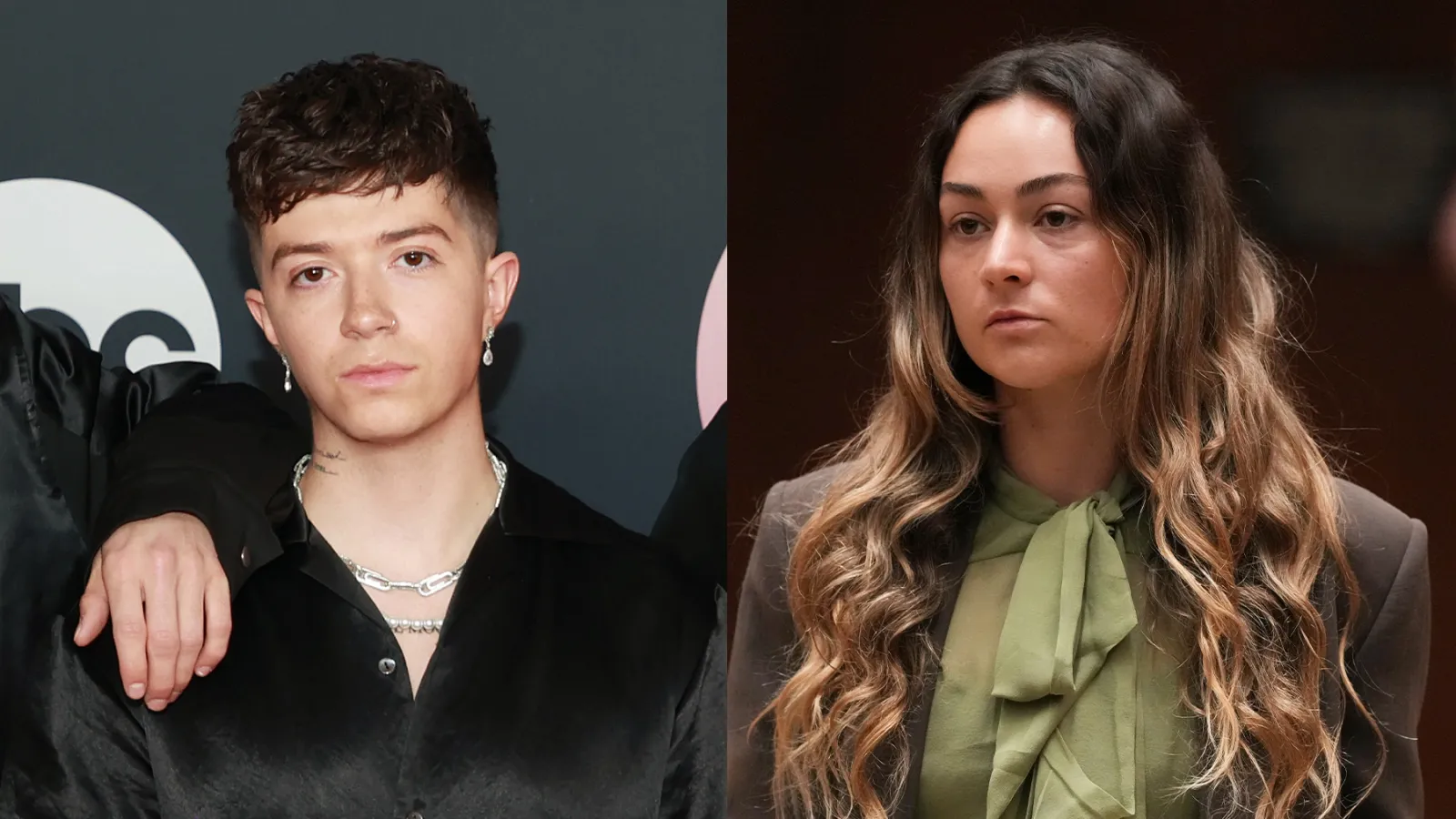
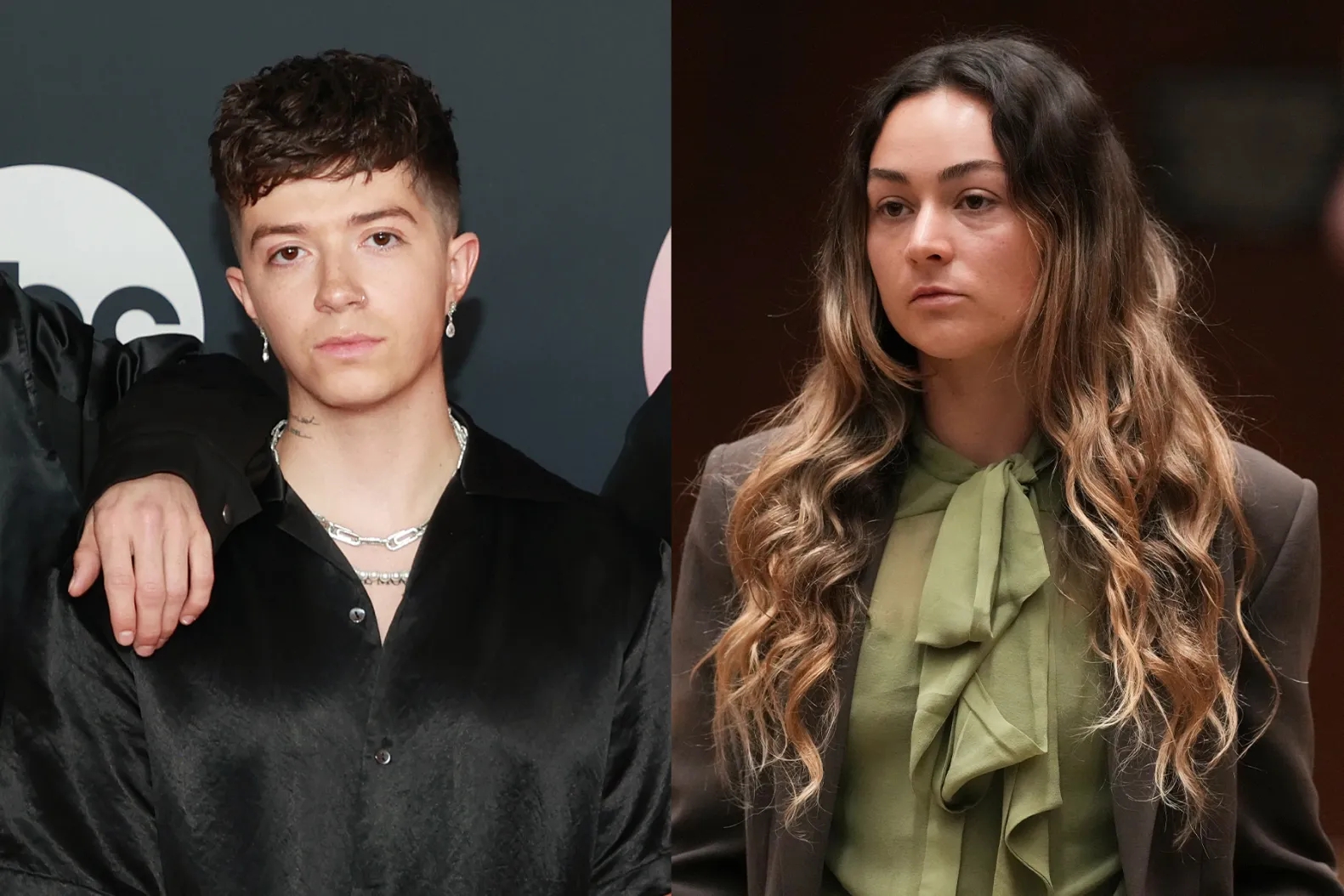
Jack Avery, former member of the boy band Why Don’t We, testified in a Los Angeles family court on Wednesday about an alleged dark web murder-for-hire plot targeting him. He won a five-year restraining order and sole physical custody of his seven-year-old daughter. The decision reflects both the emotional toll of the situation and the legal system’s balance between safety and child welfare. Source: rollingstone.com.
What Happened in Court
The two-day hearing took place in a downtown Los Angeles courtroom. Judge Brenda Comer Robinson ruled that Gabriela ‘Gabbie’ Gonzalez, Avery’s former partner and a TikTok influencer, engaged in clearly manipulative behavior that caused significant emotional harm. The judge found the daughter was a direct victim of the abusive conduct, having lived with Gonzalez in another state during the custody dispute.
Avery now has sole physical custody. The court allowed professionally monitored visits with Gonzalez, but only after a criminal protective order permits contact. This compromise aims to protect the child’s well-being while allowing some connection with both parents.
Avery’s Testimony
Avery took the witness stand for the first time since the May arrests of Gonzalez, her father Francisco Gonzalez, and her former boyfriend Kai Cordrey. He said the FBI first contacted him in 2021, warning him that Gonzalez was under investigation for a plot to kill him. The warning left him fearful and triggered severe anxiety that has lasted since.
He missed more than 25 scheduled visits to his daughter. He canceled a trip to Hawaii because FBI agents told him Gabriela was too dangerous to be near. On a later visit, he brought a friend at the FBI’s suggestion. When Gonzalez asked to meet at a park instead of the usual hotel, he became alarmed. ‘Knowing everything the FBI was telling me, I was scared of going to a different spot,’ he testified.
Avery now suffers from panic disorder. Episodes of intense anxiety occur every time he misses a visit. He also claims to have been harassed by Gonzalez’s mother, who allegedly posted about him on social media and stayed at the same hotel during a visit. ‘It’s legit stalking,’ he said. ‘It’s just very stressful.’
Alleged Plot Details
Prosecutors allege Gonzalez repeatedly discussed wanting Jack Avery dead between October 2020 and May 2021. She allegedly enlisted Kai Cordrey, a Hawaii surf instructor, to help carry out the plan. In April 2021, Francisco Gonzalez sent Cordrey $10,000. The money was transferred to a Gemini cryptocurrency account and then to a dark web account under the alias ‘LizardKing69’.
On May 22, 2021, Cordrey identified Avery as the target and gave his Los Angeles address. He said the killing could happen by any method — including a shooting or a staged car crash. In June, the purported hit man demanded another $4,000. Cordrey allegedly sought more funds from Francisco, and soon after, pushed for Avery to be killed within days.
In September 2021, an undercover FBI agent posing as a hit man spoke with Cordrey. The agent learned Avery was the target and discussed payment and proof of death. Cordrey confirmed that Gonzalez wanted Avery dead and that her father could pay. Francisco later contacted the agent using the password ‘Bullrun’ and discussed a prior Bitcoin transaction.

In a recorded conversation from October 2022, Gonzalez and Cordrey allegedly discussed the hit man and the possibility that the plot could be exposed. Gonzalez reportedly said her father had been handling most of the operational aspects of the conspiracy.
Legal Responses
All three defendants — Gonzalez, Francisco, and Cordrey — have pleaded not guilty. If convicted, they face 25 years to life in state prison. Cordrey’s lawyer has declined to comment during the criminal case.
Francisco’s lawyer, Karen L. Goldstein, has challenged the prosecution’s narrative. She accused authorities of exaggerating evidence and presenting a distorted account. ‘This weaving of a biased, and often false, narrative appears to be an effort to discredit Mr. Gonzalez’s character and to deny him his right to a fair trial,’ Goldstein said. ‘What the prosecution claims happened, and the truth of what actually happened, are two very different things. We will continue to pursue justice for Mr. Gonzalez and trust that a jury will see the truth.’
Gonzalez’s criminal lawyer, Elliot Zarabi, argued her role was limited. He said much of the evidence comes from Cordrey’s statements. As a co-defendant, Cordrey has a strong incentive to shift blame and downplay his involvement. ‘Much of the evidence against Ms. Gonzalez derives from statements made by Cordrey himself,’ Zarabi wrote. ‘Every incentive to minimize his own conduct is present.’
Why This Matters
This case shows how personal relationships can intersect with criminal activity. It highlights how digital tools like cryptocurrency and encrypted channels are used in coordinated plots to plan violence.
It also reveals the emotional toll such cases take on parents, especially during custody disputes. The court’s decision to allow monitored visits shows a careful balance between protecting the child and preserving a connection with both parents.
Limitations and Open Questions
The case is still under active legal review. No verdict has been reached. Many details come from statements by co-defendants, raising concerns about reliability and bias. The prosecution relies heavily on digital records and statements, with no independent verification of dark web communications or financial transactions.
It’s unclear how much of the plot was planned by Gonzalez versus carried out by others. Her level of involvement is disputed. There is no comprehensive record of the child’s psychological state or long-term impact. As of this reporting, the case remains ongoing with no further updates expected until a trial or resolution occurs.
Sources & further reading
Featured image: Jack Avery Testifies He’s ‘Very Scared’ of Ex Accused of Murder Plot, Wins Sole Custody of Daughter. Via original publisher. Image source